



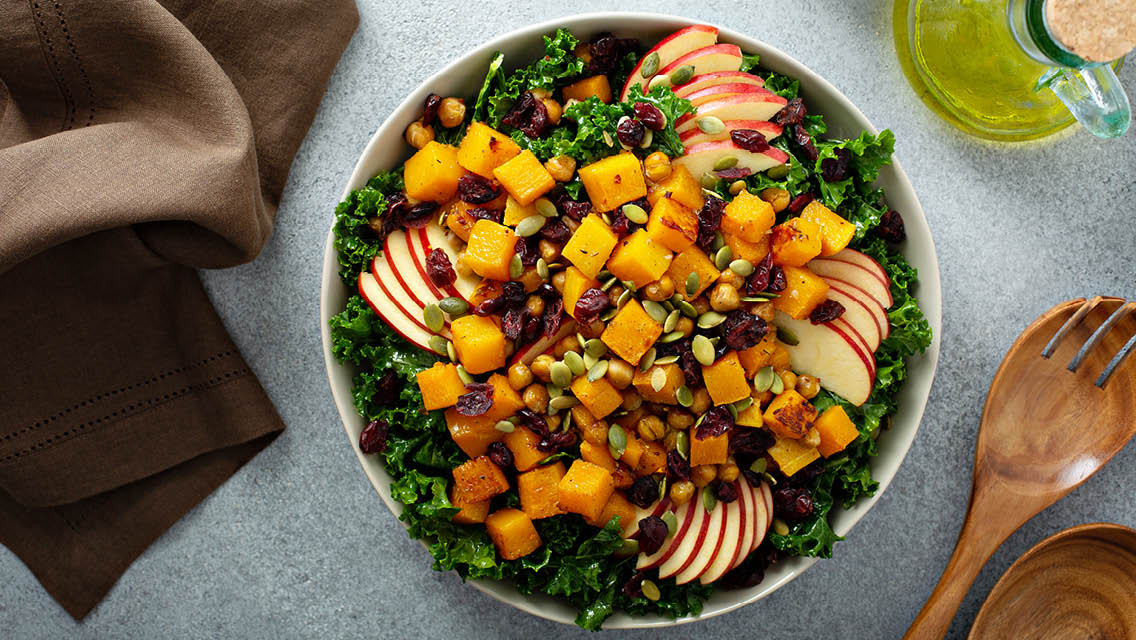
It may not be the first nutrient you think of for heart health, but large population studies link eating more fiber to lower rates of heart disease, stroke, and cardiovascular death.
“Whole grains and fiber lower blood sugar and cholesterol,” says Mimi Guarneri, MD, FACC, a functional-medicine cardiologist and president of the Academy of Integrative Health and Medicine. In fact, for every 7 grams of fiber you eat daily, your risk of cardiovascular disease drops by about 9 percent.
If you’d like to enjoy the occasional holiday treat while keeping your blood sugar steady, fiber is your best ally. “It slows the digestion and absorption of food and prevents spikes in insulin and blood sugar,” explains Elizabeth Boham, MD, MS, RD, medical director at the UltraWellness Center in Lenox, Mass.
When blood sugar spikes too often, it can lead to insulin resistance, in which cells stop responding normally to insulin. This increases cardiovascular risk.
Certain types of fiber also feed beneficial gut bacteria, which produce short-chain fatty acids. These compounds help support immune balance, reduce inflammation, and lower blood pressure, all of which lessen stress on the heart. (Learn more about the many health benefits of fiber at “Why You Need to Eat Fiber.”)
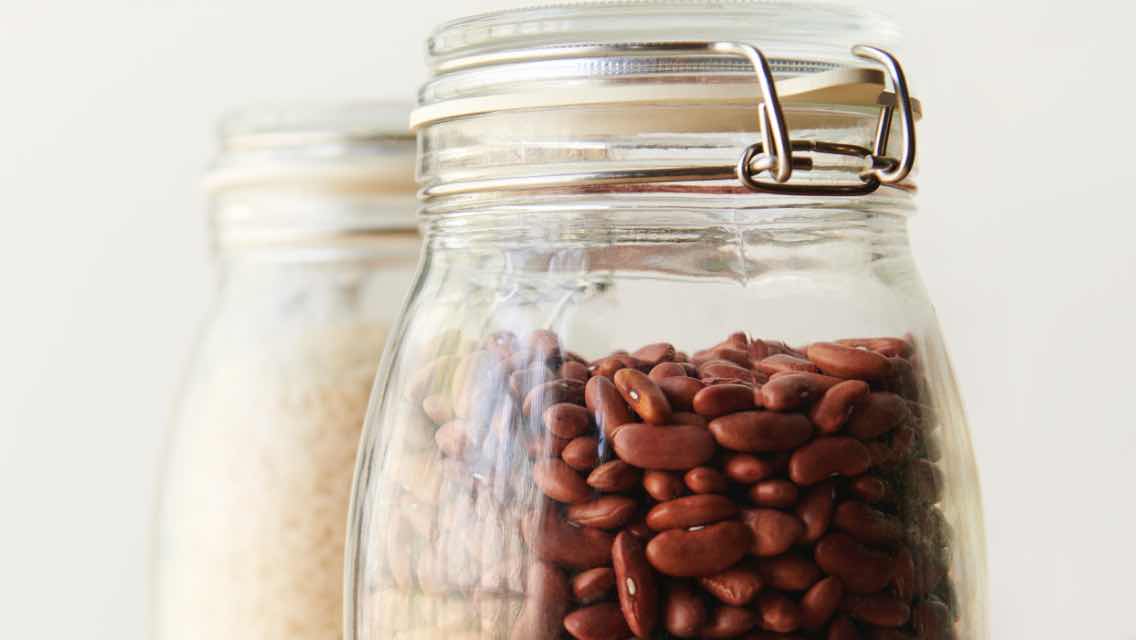
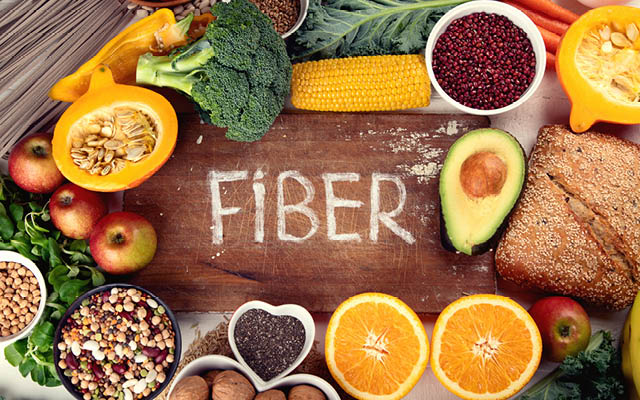
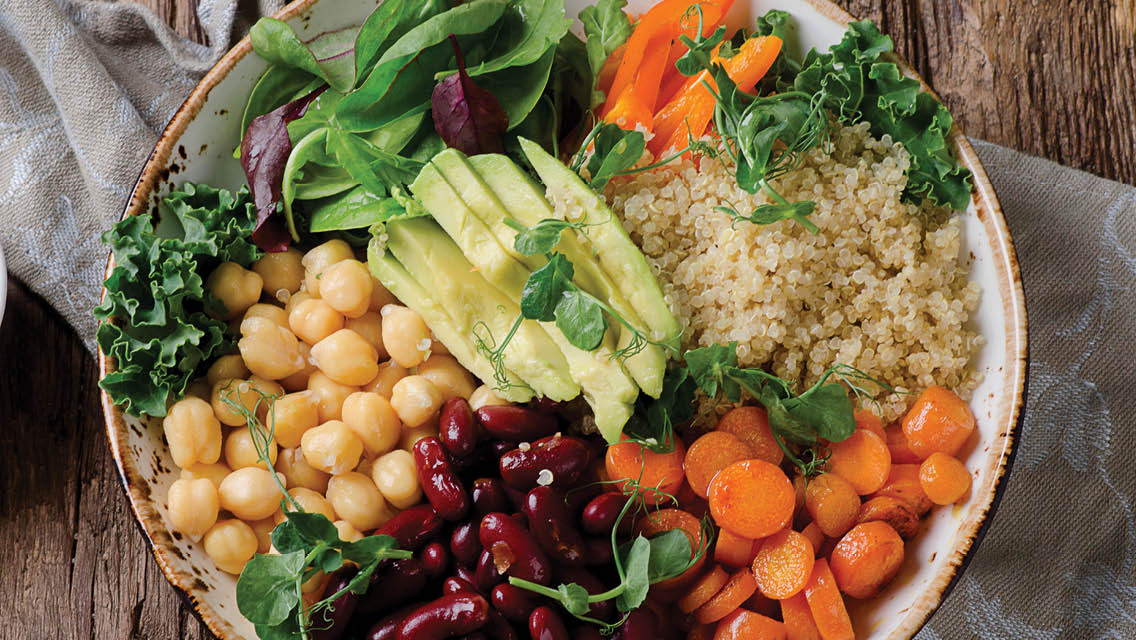
You can get more fiber from a variety of whole-food sources, including whole grains such as oats, barley, and brown rice. Legumes like black beans, lentils, and chickpeas are particularly valuable because they provide a combination of soluble and insoluble fiber along with heart-healthy plant protein. Nuts and seeds add fiber plus healthy fats and important minerals, like magnesium and potassium.
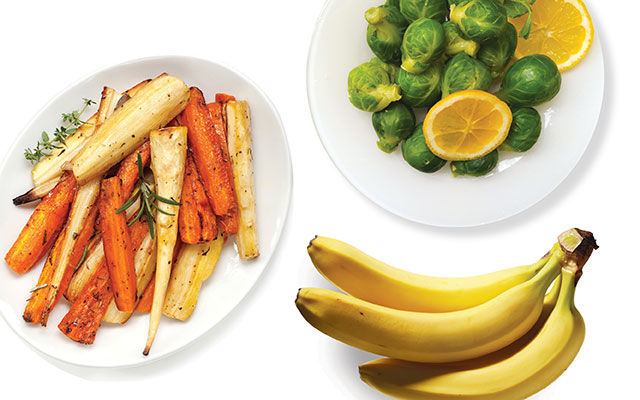
Fruits such as apples, pears, and citrus are rich in soluble fiber, which binds to bile acids in the gut and helps escort them out of the body, reducing LDL cholesterol. Vegetables like peas, Brussels sprouts, and sweet potatoes contribute insoluble fiber, which supports digestion and promotes fullness. (See “The 3 Types of Dietary Fiber You Need” to learn why fiber is essential to our health and well-being and which foods have them.
Most experts recommend aiming for a daily target of 25 to 38 grams of fiber from a mix of these sources, so head for the fruit and veggie platter at your next holiday event.
If you struggle to meet your fiber goal through food, you could consider supplements. Boham recommends organic psyllium husk, a soluble fiber that feeds beneficial gut bacteria and can help lower cholesterol and improve digestion. Start slowly and increase gradually, since adding too much too quickly can cause bloating and discomfort. (Get more fiber-friendly tips below.)
Eating for a Calm Heart
Learn how to prioritize heart-healthy nutrients to support your cardiovascular system during a stressful season at “4 Nutrients to Support a Calm Heart,” from which this article was excerpted.




Comments (0)