


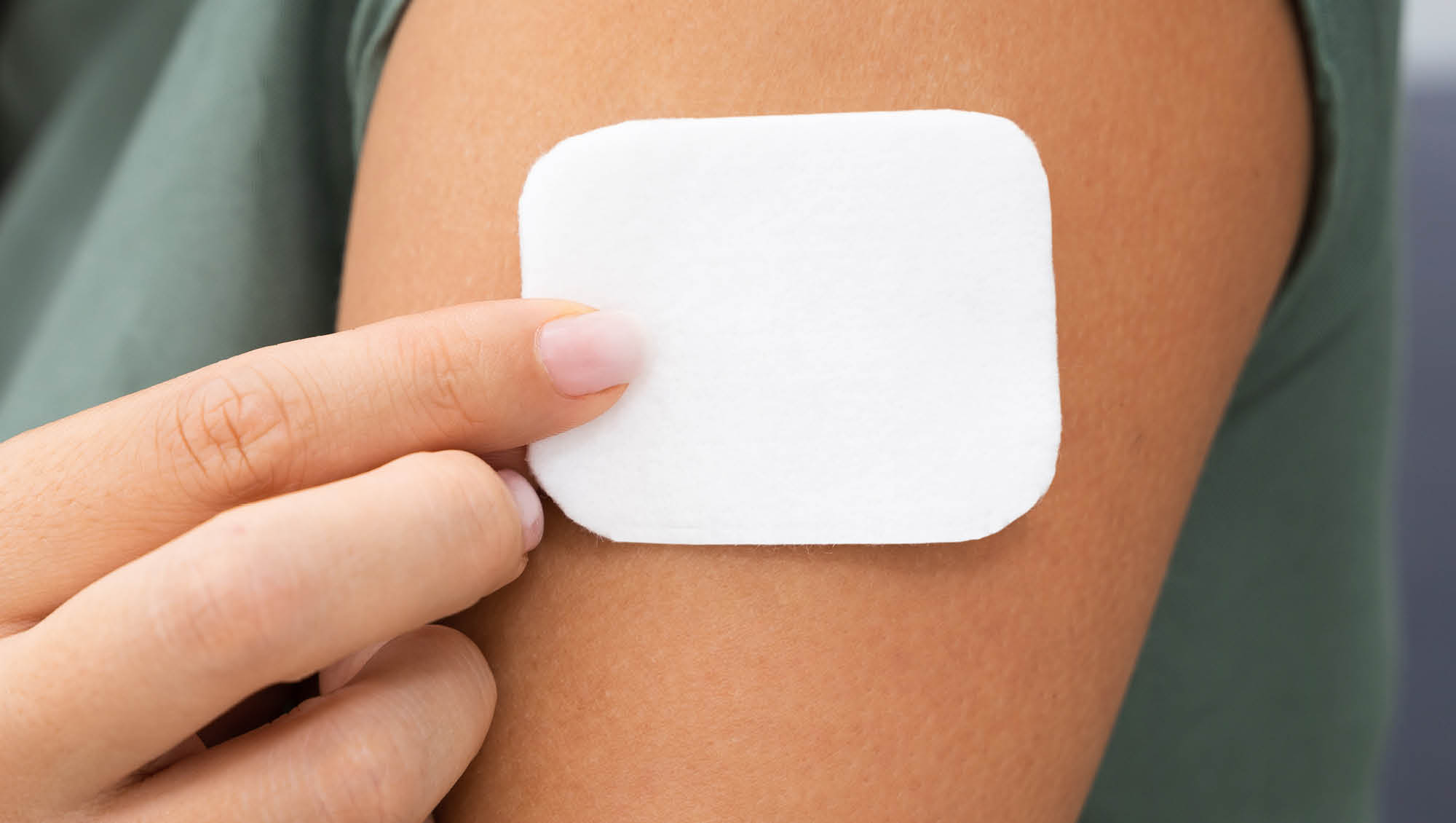
Given the swing of the pendulum toward HRT, it can seem as if using HRT is the only responsible choice — and that not using it puts you at greater risk for a range of age-related concerns. Experts say that isn’t the case.
“What matters most is your values regarding aging, personal and family medical history, and overall metabolic and immune health,” says Sara Szal, MD, author of Women, Food, and Hormones. “Hormone therapy should never be one-size-fits-all.”
“There are options. It’s a very personal decision.”
In other words, HRT is a tool. It’s not a requirement. Some women experience relatively mild menopause symptoms and prefer to manage them by improving sleep, building muscle, adjusting diet, and addressing stress and metabolic health.
For women disinclined to HRT, Karen Kaufman, MD, a board-certified obstetrician and gynecologist, and the medical director of MIORA in Colorado, says good nutrition and supplements that support the bones, brain, heart, breast tissue, and libido can help enhance quality of life throughout menopause and beyond.
“There are options,” she says. “It’s a very personal decision. And while there are health risks associated with low estrogen levels, estrogen therapy is not a must-have if a patient has weighed the alternatives with a trained provider.” (For more on natural alternatives to HRT, see “Making Peace With Menopause.”)
Understanding HRT
If you’re considering hormone replacement therapy (HRT), you probably have questions. We asked clinicians and hormone specialists for answers about how HRT works, what its real risks and benefits are, and how to decide whether it’s right for you at “A Balanced Approach to Hormone Replacement Therapy,” from which this article was excerpted.





Comments (0)