


Skip to content

Get Experience Life delivered to your door

Experience Life
Delivered every two months

Real Health. No Hype.

More than 600,000 subscribers trust us to keep them informed, inspired, and authentically healthy. Join them.

Can Wearable Devices Help Improve Mental Health?

Some researchers think digital trackers and apps that monitor markers of anxiety, sleep quality, and depression can improve public health. Learn more.

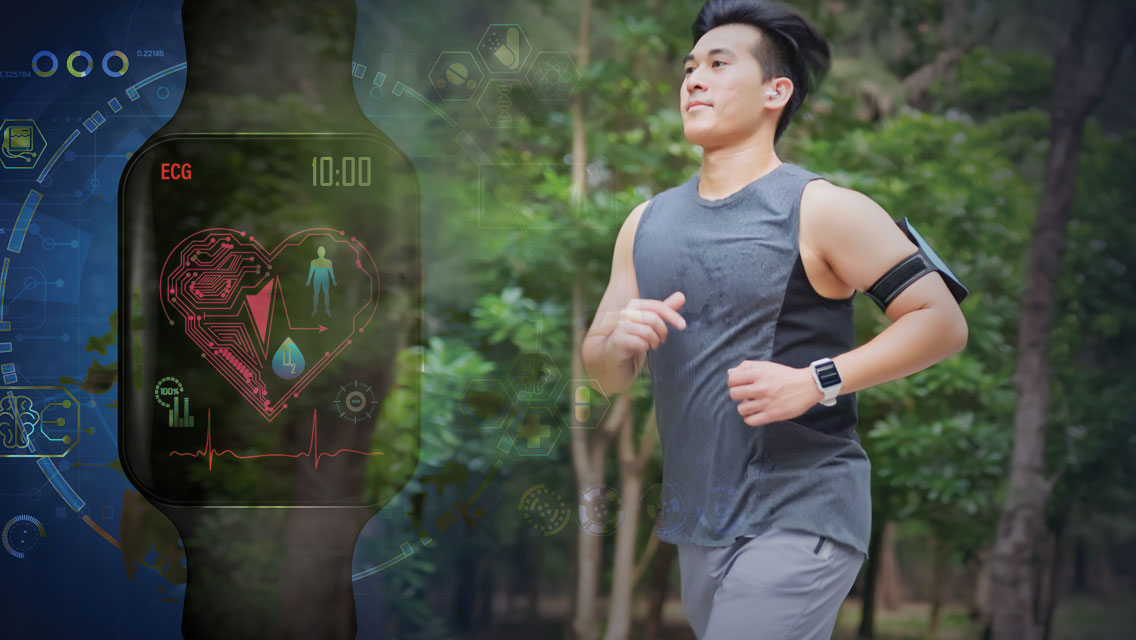
a man looks at his smart watch

Activity trackers allow us to measure our fitness progress, so could similar wearable devices allow us to effectively monitor — and even improve — our mental health?

That’s the question researchers are exploring. They’re intrigued by the gradual embrace of telehealth and the widespread acceptance of digital trackers among people of all ages.

And some researchers, including Nuno Gomes, PhD, and Matilde Pato, PhD, believe the answer is a resounding yes.

After reviewing existing literature, Gomes and Pato, along with their team, published a study in 2023 asserting that wearables could “revolutionize the way we monitor and manage mental health.”

Writing in the journal Sensors, Gomes and Pato laud the ability of these devices to track changes in heart rate, which often signal stress or anxiety, and to monitor sleep quality and social interactions, which may reveal symptoms of depression. The real-time feedback can help individuals identify patterns and the need for intervention.

“Wearable sensors can offer several advantages over traditional methods of mental health assessment, including convenience, cost-effectiveness, and the ability to capture data in real-world settings,” they write.

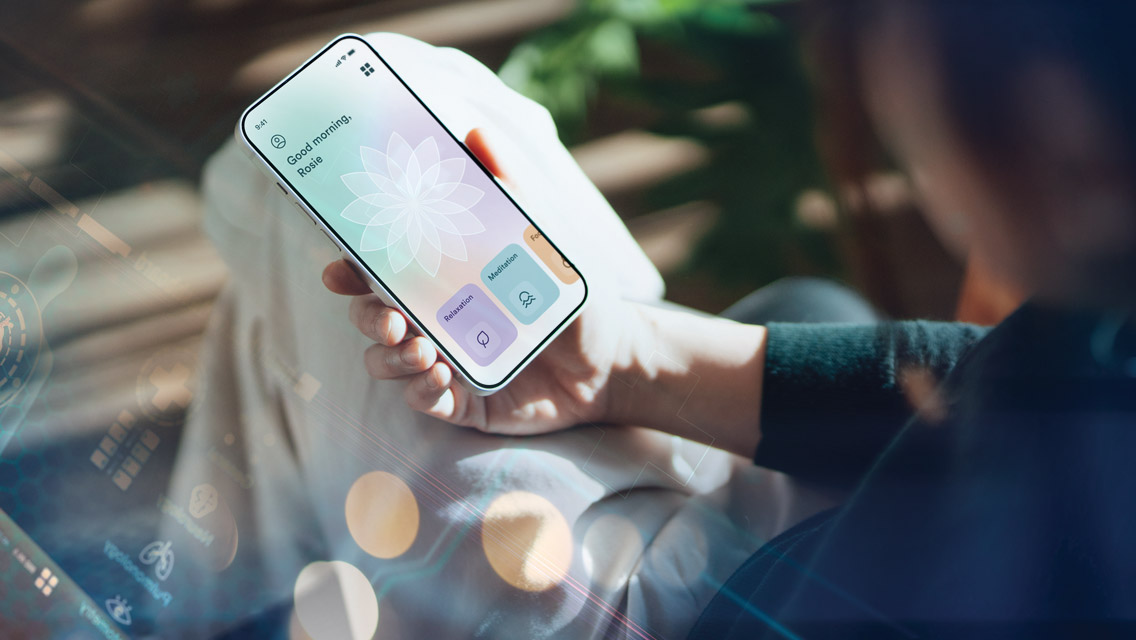
More recently, a research project led by University of Exeter scientists looked specifically at the use of a cognitive behavioral therapy app among some 3,700 young adults aged 16 to 22. The ­researchers found the app stabilized depressive symptoms in those at high risk of the disorder but did little to improve the general well-being of those at low risk.

“Our results suggest that even when young people used the self-help app just a few times, there was a small but meaningful benefit,” lead study author Edward Watkins, PhD, notes in a statement. “Because the app is scalable to large numbers of people in a cost-effective way, these effects have potential value as a public health intervention within a broader portfolio of digital and in-person services and interventions.”

This article originally appeared as “Wearable Devices for Mental Health” in the May/June 2025 issue of Experience Life.

Craig Cox

Craig Cox is an Experience Life deputy editor who explores the joys and challenges of healthy aging.

Share

More like this

Can AI Be Used to Personalize My Health and Fitness?

In just a few short years, AI has become an inextricable part of modern life. Here's a look at how it's being used to motivate people to develop healthier habits.
By Mo Perry

6 Tips to Help You Successfully Navigate Telemedicine Appointments

Virtual healthcare services can increase access, yet they come with their own barriers and limitations. Functional-medicine practitioner Susan Blum, MD, MPH, shares guidance for navigating telemedicine.
By Jon Spayde

What You Need to Know About Orthosomnia

Are you constantly checking your sleep tracker and worrying about your sleep quality? You might be experiencing orthosomnia. Learn what it is, how it affects your rest, and what you can do to sleep better.
By Michael Dregni

How AI Is Offering New Options for Mental Health Support

In just a few years, AI has become an inextricable part of modern life. Here's how it's being used to help support mental health.
By Mo Perry

How Do I Know If It’s Time to Seek Therapy?

If you're experiencing one of these five life events, you might consider seeing a therapist.
By Alexandra Smith, MA, LPCC

How to Find the Right Therapist

Credentials, cost, and length of treatment are just a few factors to consider when finding a therapist.
By Alexandra Smith, MA, LPCC

How Telehealth Boosts Healthcare Access

For those with chronic conditions, telemedicine is a boon.
By Laine Bergeson

Share a thought

0 Comments

Comments (0)

Leave a Reply

Your email address will not be published. Required fields are marked *

Keep the conversation going

Leave a comment, ask a question, or see what others are talking about in the Life Time Health Facebook group.

Facebook Group

Advertisement

Back To Top