



Many of us have grown accustomed to living in a hyperpalatable world and have perhaps even acquired a preference for artificial flavors and ingredients. Mental health nutritionist David Wiss, PhD, RDN, IFMCP, saw this in real life when his toddler tasted processed food for the first time. “As soon as her brain registered the reward of hyperpalatable foods, there was an expectancy that made regular food taste boring,” he says.
But whole foods aren’t boring. With a little awareness and creativity, you can wrest your palate back from the food industry. Wiss shares these tips.
( 1 )
SWAP FOODS STRATEGICALLY. Because hyperpalatable foods are calorically dense, swapping them for low-calorie fare can leave the body feeling undernourished, says Wiss. “If the brain senses too big of a dopamine drop, it interprets a threat and intensifies the cravings.”
Instead, he advises, keep yourself nourished with minimally processed, calorically dense foods. For example, add an avocado to your salad, top your fruit with nut butter, and opt for full-fat dairy.
( 2 )
ENGAGE YOUR SENSES. Your brain is drawn to a food’s sensory pleasures. Consider Peanut M&M’s: The colorful shell makes a satisfying crackle when you bite into it; your teeth sink through the sweet chocolatey interior before crunching into a salty peanut.
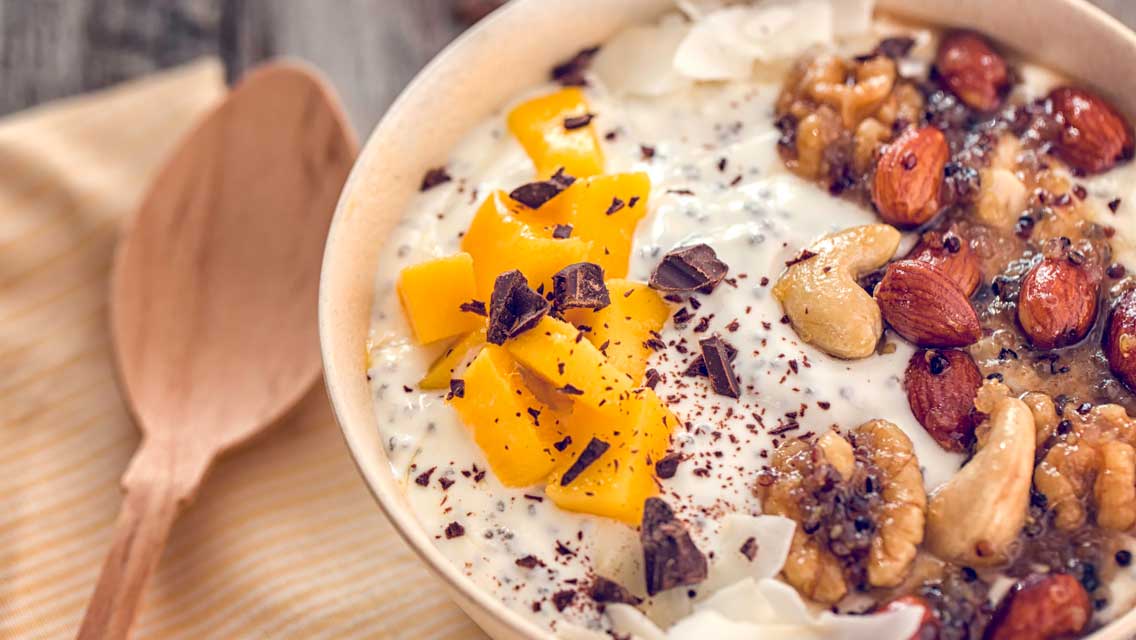
“It’s important to re-create sensory effects,” Wiss says. At home, add texture to yogurt with crushed macadamia nuts and blueberries, or sprinkle pumpkin seeds on an omelet or grain bowl. Improve the visual appeal of a meal by topping your plate with crumbled feta, a swirl of hot sauce, or a sprinkle of microgreens. (Visual appeal counts for a lot. See “Feast Your Eyes: The Importance of Your Meal’s Visual Appeal” for more.)
( 3 )
REDISCOVER CHEWING. Many hyperpalatable foods are designed to melt in your mouth, making it difficult for the brain to track how much you’ve eaten. Chewing is a key part of the cascade of healthy digestion and satiety signals. Look for whole foods that give your jaw a workout, like nuts, apples, or steel-cut oats — and chew them thoroughly.
“The goal is to have favorable bidirectional communication between the gut and the brain, and that’s what hyperpalatable foods override,” Wiss says. “You need to be able to trust your hunger and satiety cues.”
( 4 )
RELEASE PERFECTIONISM. Wiss tells his clients not to get caught up in “being on or off the wagon.” Instead, move at your own pace, even if it means using hyperpalatable foods as a bridge to healthier choices.
If you find salads inedible, for instance, crunch up a small bag of your favorite chips and pour the crumbs over your bowl of greens. The next day, he says, maybe use half the bag of chips, and then use less over time. “Tapering is key.”
( 5 )
FIND YOUR OWN BLISS. Search for whole foods or recipes that scratch your bliss-point itch. These bliss-point doppelgängers don’t have to be complicated. “If you stop and pay attention, a slice of cool tropical fruit can be pure bliss on a hot summer day,” Wiss explains.
Plus, food can be a catalyst for other feel-good hormones. Serotonin, for example, is activated by a sense of purpose and meaning. That can come from sharing a meal with people you care about, having a heartfelt conversation over the dinner table, or helping to prepare food or clean up, he adds. “It’s not just the brain but the terrain — the human — that matters.”
(Experience mindful eating with Jon Kabat-Zinn’s raisin practice — a simple way to slow down, tune in, and savor the moment.)
The Lure of Hyperpalatable Foods
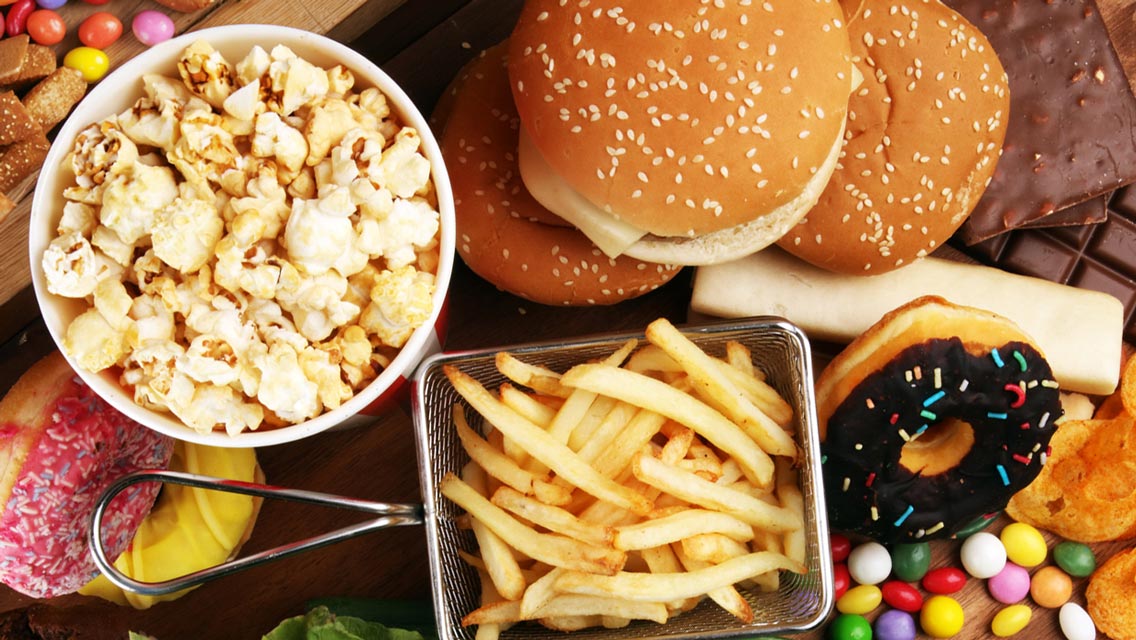
Grocery stores are full of food products engineered to leave us wanting more. Discover how they hook us — and how to favor more whole foods — at “How to Break Free From Hyperpalatable Foods” from which these tips were excerpted.





Comments (0)