




A little focus on good nutrition can go a long way toward preventing mental health problems. The only way the brain can fulfill its most essential functions — to make energy, communicate, and clean itself up — is by getting the nutrients it needs for fuel.
As an integrative psychiatrist, I look at nutrition in terms of how it supports the brain. We can use diet to help protect the brain, optimize its function, and amplify its connection to the gut. Diet alone may not ensure good mental health, but it’s a solid place to start.
( 1 )
PROTECT
Diet plays a major role in protecting our brains from the effects of age as well as stress and medications.
Maintaining steady blood sugar is critical here. Unstable blood sugar affects energy production and promotes systemic inflammation, which affects the brain. Neuroinflammation is increasingly viewed as a cause of depression and other mental health challenges. We can keep inflammation in check via our eating choices:
- Eat foods with omega-3 fats: chia seeds, walnuts, and cold-water fish.
- Aim for dietary variety rather than relying on a few staples. This ensures good nutrient balance and helps avoid food sensitivities — a major source of inflammation. (Gluten and dairy are commonly linked to inflammation, so consider avoiding them.)
- Adhere to a daily 12-hour fasting window — maybe 7 p.m. to 7 a.m. A rest period can help your body regulate insulin and give your digestive system a break. This can improve sleep, which further reduces inflammation.
( 2 )
OPTIMIZE
Brain cells produce neurotransmitters, the chemicals our cells use to communicate with each other. They also make energy — and both functions profoundly affect mood.
When it comes to energy production, the brain has special dietary requirements. Unlike the body, which can make energy from a variety of sources, the brain primarily relies on blood sugar. And it’s a gas guzzler, using up to 20 percent of all available glucose.
It also requires a steady supply — not too much, not too little. If blood sugar veers too far in either direction, the brain may complain loudly in the form of anxiety or depression.
A protein-rich diet not only regulates blood sugar but also helps us build mood-supporting neurotransmitters by supplying plenty of the amino acids found in protein.
- Eat a variety of unrefined carbs (root vegetables, beans, legumes, whole grains) throughout the day. They supply glucose, and their high fiber content slows its absorption.
- Avoid eating giant portions — especially of simple carbs — at one sitting.
- Include protein with every meal and snack, even with sweet treats, to soften the sugar highs and lows. Even a few nuts or a bit of cheese will do.
If you’re prone to anxiety, agitation, or stress, focus on serotonin-boosting foods high in tryptophan. These include seafood, poultry, dairy, whole grains, nuts, and seeds.
If you tend toward depression — low mood, lackluster energy and motivation — aim to boost dopamine. This means eating more protein and fewer carbs. If you don’t eat meat, take a B12 supplement: It can be hard to get enough B12 from a plant-based diet, and the B vitamins are crucial partners in producing neurotransmitters.
( 3 )
CONNECT
Mood and gut health are linked in several ways. First, it’s the gut, not the brain, that supplies nearly all our serotonin. Second, the vagus nerve keeps the gut and the brain in constant communication. Third, maintaining good gut health is one of the best ways to tone down inflammation.
Support the gut-brain connection by doing the following:
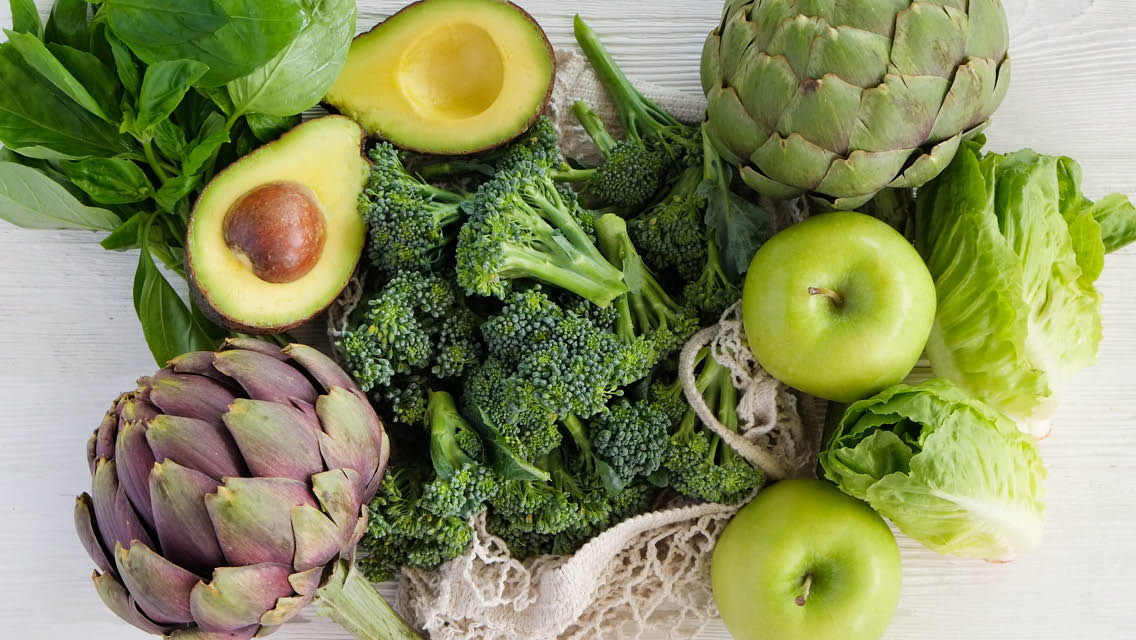
- Emphasize dietary diversity with multiple sources of fiber, which supplies prebiotics that feed the good bacteria in your gut.
- Eat at least one probiotic food each day and aim for a diversity of probiotics over the course of a week. These might include yogurt, kefir, sauerkraut, or kimchi, as well as fermented drinks, like kombucha.
- Seek out organic, local, and seasonal produce. Paying attention to how produce is grown ensures you’re getting the best nutritional bang for your buck.
- Take joy in eating. This alone will give your mental health a huge boost.
Natural Mental Health
For more nonpharmaceutical solutions for common mental health challenges, visit our Natural Mental Health Department.
This article originally appeared as “How to Eat for Mental Health” in the March/April 2025 issue of Experience Life.






Comments (1)
Excellent article. Very informative.