

Race Day as a Wellness Strategy With Kimo Seymour
Learn how setting a finish-line goal can become a powerful part of a healthy routine — and why it may be more effective than traditional resolutions when it comes to staying committed.


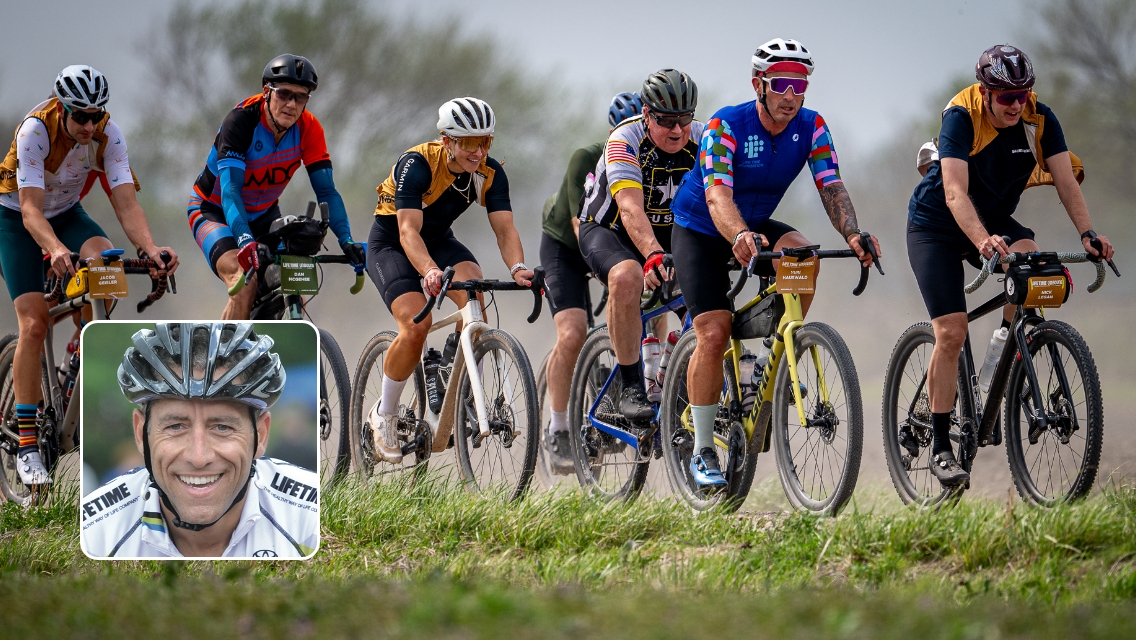
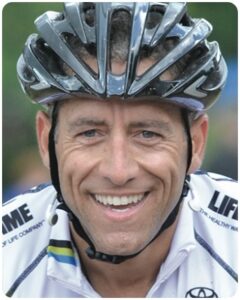
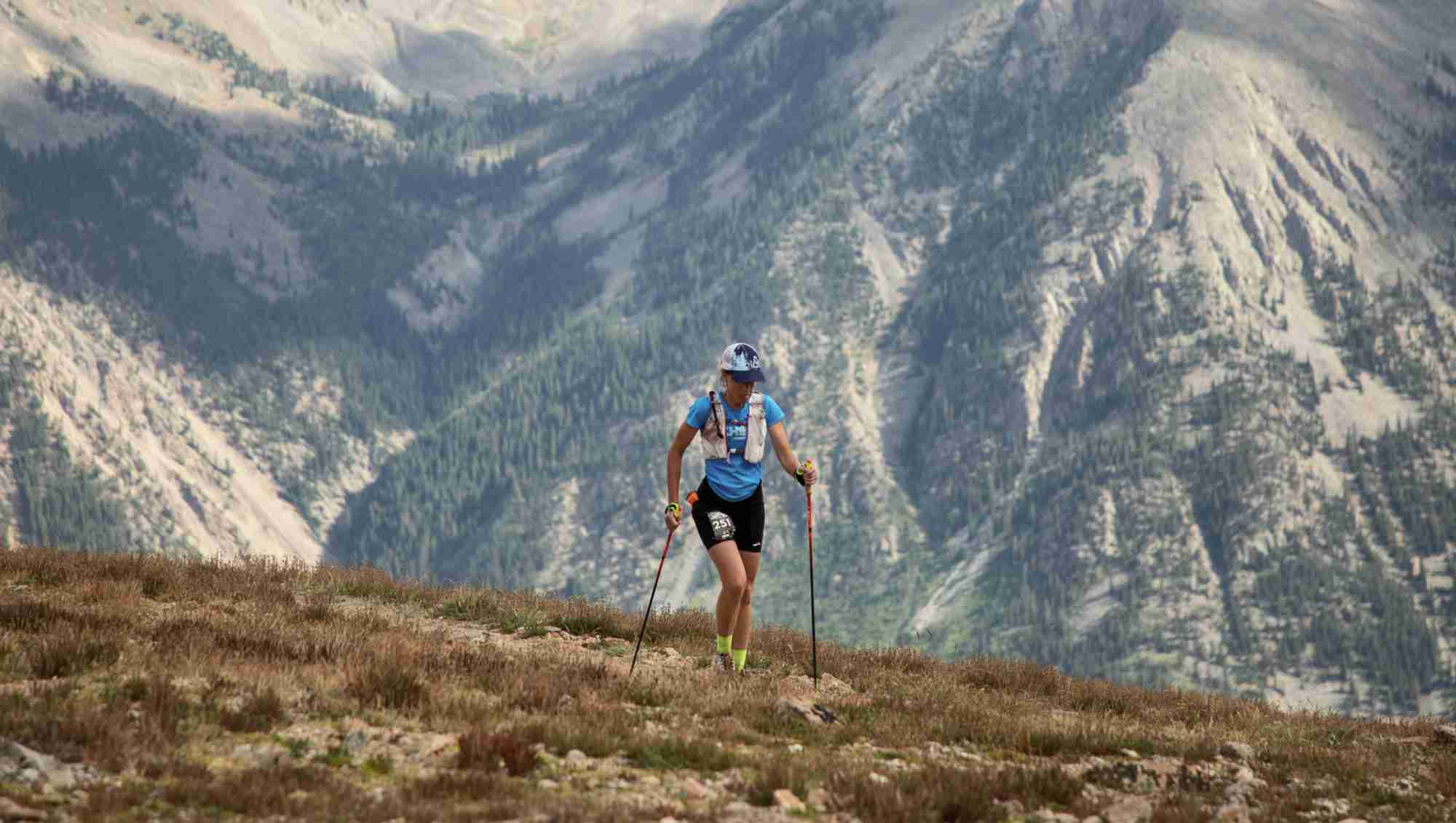
What if the most effective wellness strategy you haven’t tried yet is signing up for a race? In this episode, Kimo Seymour, senior vice president and divisional president of Life Time’s events and media division, explores how setting a finish-line goal can be a powerful part of a healthy routine — and why it may be more effective than traditional resolutions when it comes to staying committed.
Seymour also discusses the evolution of Life Time’s event portfolio, now spanning 30 events, and makes the case that committing to an event is one of the most powerful ways to build a lasting, intentional routine. Whether you’re lining up for your first race or chasing a personal best, your next starting line may be closer than you think.
Kimo Seymour is a senior vice president and the divisional president of the events and media division at Life Time, which encompasses athletic events, media and sponsorship, ChronoTrack timing systems, Athlinks, and the Life Time Foundation.
- Signing up is the first step toward a goal. When you commit to an event, you give yourself something to work toward. As Seymour puts it, “That date on the calendar isn’t moving; it only gets closer.” Suddenly, your training has a purpose, and getting out of bed with intention feels much easier.
- A race creates natural accountability, while general goals like losing weight can be easier to veer away from when life gets busy. A registered event builds in personal accountability that keeps you moving.
- There are races available for every level and interest. Life Time produces 30 running and cycling events across the country, ranging from Turkey Day 5Ks to the legendary Leadville 100.
- Life Time has shifted its event portfolio over the years to focus on road running, trail running, gravel cycling, and mountain biking events. That change followed where the endurance community was growing and where participants wanted to be.
- The Life Time Grand Prix series, now in its fifth year, is a professional off-road series that brings 50 elite cyclists (25 men and 25 women) together across six races for a prize purse of $350,000. It is the biggest professional cycling series in North America and is building real fandom.
- Cycling is one of the few sports in which a parent and a teenager can ride the same course, on the same day, as some of the best athletes in the world. That shared experience is a powerful source of inspiration for first timers and families alike.
- Seymour admits that, even after 13 Leadville finishes, in addition to participation in numerous other events, every race includes a moment of doubt. His advice works for any distance: “This too shall pass.” Learn to ride the lows, pace the highs, and trust that crossing the finish line is worth it.
Transcript: Race Day as a Wellness Strategy With Kimo Seymour
David Freeman
Welcome back to another episode of Life Time Talks. I’m David Freeman.
Jamie Martin
And I’m Jamie Martin.
David Freeman
Today’s topic is race day as a wellness strategy. Committing to a race provides a clear, effective framework to support your training recovery and long-term vitality. Discover Life Time’s role in the event space is what we’re going to be tapping in today, and how endurance industry has evolved as a whole, why professional Life Time grand pre series inspires everyday athletes and how crossing a finish line integrates seamlessly into your healthy routine. We got a nice guest to share with this information with us today. Who do we have?
Jamie Martin
We have Kimo Seymour with us. Hi, Kimo.
Kimo Seymour
Jamie. How are you? Hey, I’m great. Good.
Jamie Martin
It’s good to see you too. Well, Kimo’s been with Life Time since 2011. Since 2014, he has served as a senior vice president and the divisional president of the events and media division, which encompasses athletic events, media and sponsorship, Chronotrack timing systems, Athlinks, and the Life Time Foundation. Got a lot under your plate there. Under your plate, on your plate, not under. Yeah.
Kimo Seymour
Right.
David Freeman
Yeah, this is good year, 2011. Ditto. Yeah, we’re twins.
Kimo Seymour
Same for you. Fifteen now. No, two fifteen years. Well, fifteen years, so.
David Freeman
Fifteen is, yeah. Yeah. Look at that.
Jamie Martin
Time does crazy things. Yes, it does.
David Freeman
All right, so Kimo, here we go. Many of our listeners know Life Time for athletic country clubs, but they may not know or realize that one of the largest athletic event producers in the country, they also probably don’t even know about the portfolio that we actually have. So it includes thirty premium running and cycling events nationwide. So can you kind of break us down of how we are actually evolving within the event space?
Kimo Seymour
You know, the business has really evolved over about the last twenty-five years since it was started here at Life Time. And where we’ve landed today is about thirty events, as you mentioned, all in the cycling and running space. So a little bit of road running, a little bit of trail running, and then we have some gravel cycling events, and then we have some mountain biking events.
Jamie Martin
That’s awesome. When people, we, you said this at the top, people think of Life Time, they think of our athletic country clubs. Why do you think it makes sense for Life Time to be invested in these athletic events?
Kimo Seymour
You know, I think the idea in the beginning and where it’s evolved to over all these years is really kind of creating these, what I’ll call, aspirational opportunities. And I think it started primarily for our members, but it’s really grown beyond the walls of all of our clubs. And so our audience is a little over a hundred thousand participants a year at these events.
But it was a way to kind of extend what we do with helping people live a healthy, happy life, again, beyond the walls of our clubs. And these kind of aspirational moments, right? Give someone something to aspire for. So they may be using our beautiful facilities to train and learn about nutrition and fitness and wellness and whatnot, but giving them a goal, something to work towards, these events really are kind of that aspirational moment for people.
Jamie Martin
Absolutely. Like just even connecting it back to like how it helps them build those routines, right? Like when you have a goal, you have this thing set out for you, you need a plan to work towards. How do you get there? So I think, I mean, how does it connect back to their routines?
Kimo Seymour
You know, I think what it does is it creates something that’s more, you know, a lot of people will come to our clubs. Their goal might just be weight loss, right? Their goal might just be to add a little bit of muscle. What this does is it really kind of creates more of a lifestyle, right? It’s more of something that is kind of permanent, more permanent for them.
And I like to say it’s infectious, right? Once you get across the start line and then the finish line of one of our events, or an event, it really becomes like, it’s very addicting, right? And so what we’ve found is that people tend to come back. And then once they’ve participated in and/or accomplished something at one of these events, they tend to keep coming back year after year.
Because it gives them, again, that moment to kind of look forward to, something to focus on and train for that’s more than just, you know, again, weight loss or adding a little bit of muscle or something like that, what they might do within the walls of our clubs.
David Freeman
So knowing the event space has been around for a while, knowing that you came into the space 2011 and now within 15 years, you probably, with your expertise, saw an opportunity, but also where probably gaps were. So what have you seen from an evolution from the strategic piece around event planning, as well as what the athletes are needing over the year?
Kimo Seymour
You know, what we’ve done is we’ve really evolved the portfolio to kind of mirror what the market has demanded and where the market for endurance has demanded. So, you know, when the business started, prior to my time and our time at Life Time, it was really, I think it, you know, started with some little reindeer runs and some, you know, 5Ks, turkey day, turkey trot 5Ks and things like that, which we still do. A couple of those are actually a couple of our biggest events, our turkey day events.
But started with some little family fun run type of events and then evolved into triathlon, actually. And triathlon and Life Time was a big part of the growth of triathlon in North America. And we really focused on sprinting Olympic distance triathlons. We had one of the biggest series in the country and huge prize purse. All the professional athletes from around the world were coming to race these events.
But then over time we started looking and seeing that, you know, growth was really coming more in the endurance space, was really coming more in Indian running, both road running and trail running, and then also off-road cycling. And so we started moving into that space about the time I came to Life Time. And one of the first big acquisitions was the Leadville Race Series and the Leadville 100 mountain bike, the Leadville 100 run. So we started kind of dabbling more in the bike and run space.
And since my time with Life Time, we’ve actually fully transitioned away from triathlons. So we no longer produce any triathlons. We’ve gone from being one of the biggest triathlon production companies in the country to producing zero triathlons. And we’re solely focused, as I mentioned earlier, on running and cycling now. And that’s really where we’ve seen a lot of growth in the business the last few years, particularly in cycling, in off-road cycling, and then also in road running.
So one of our biggest events, Miami Marathon, Life Time Miami Marathon, about 25,000 participants every year. Couple other mid-size events, Chicago Spring Half Marathon, Chicago Half Marathon, about ten thousand participants each. And then you’ve got on the other end of the spectrum things like the Leadville 100, like the mountain bike race, is kind of the other end of the spectrum for us.
David Freeman
I was gonna say, I had the opportunity to participate in the Miami Marathon. The production, the environment, the atmosphere, next level. So I mean, I can only imagine how that’s probably even evolved as well. What’s, he’s our chief running officer.
Jamie Martin
Frankie Ruiz.
David Freeman
Frankie. Yeah,
Kimo Seymour
Exactly.
David Freeman
Frankie, I remember even he’d been on the podcast as well, but it’s just, it’s run so well. So I think from a retention standpoint, that experience that’s delivered, and when you come across that finish line and you get the reward. There’s so many things that go into it. So when I go back to what the athlete is receiving and their experience too, can you kinda unpack that for
Kimo Seymour
Yeah, I think, you know, that’s probably what makes us so unique, and not dissimilar from what we’ve done with our brand and in our clubs, is, you know, we really focus on the experience at these events. You can run a lot of marathons and half marathons out there, and there’s a lot of bike races out there you can do.
What people will tell you is that when the Life Time name is on these events, and we own and produce all of our own events, when we put the Life Time name on our events, they are really unique experiences for every single event. Every different one has a different feel, a different emotion, different kind of, you know, different crowd. They’re really unique.
And so we really focus a lot of our energy on that experience and what we deliver to our athletes at our events. And I think that’s what really differentiates our events from a lot of the other events that are out there. Yeah.
Jamie Martin
Another aspect of that that I know I’ve heard the team talk about is like the communities that you’re part of. You know, like how when you bring these events to these different places, they’re not often in places where we have Life Time locations, but how do you embrace the community and make them a part of these different events?
Kimo Seymour
That’s a great question, Jamie. One of the biggest ways that we embrace these communities, not only do we go in there and we engage the communities, we get them involved in decision making about things that we change and things that we do with the event.
But one of the other things that we do, you mentioned I also, you know, help with the Life Time Foundation. We get the Life Time Foundation involved in almost every community on a local level. And what we do is we use our events, in many cases, as a fundraising opportunity. Athletes will fundraise for the Life Time Foundation through their participation in these events. And then we take those dollars and we invest them back into those communities.
So with the Life Time Foundation, we’re focused on healthy planet and healthy kids, whether it’s getting kids moving or the way that kids eat. And so we invest in school lunch programs in those communities.
The Life Time Unbound gravel event in Kansas, we have a gentleman that’s racing from the back of the pack, gonna start dead last. And we’ve done this at a number of other events. I love this. Rom and I did it up at Chequamegon a few years ago. And people will donate based on how many riders he passes, starting dead last in the 200-mile event. This is a guy that’s a past champion of the event, going to start last.
For every rider that he passes, people are donating money. The goal is to raise fifty thousand dollars, and we’re gonna be building a bike park in that little community of Emporia, Kansas. So those are the types of ways that we go. We, through the Life Time Foundation, go back then and invest in those communities where we host our events.
David Freeman
How much prep work goes into it? I mean, you were just, before we got on camera here, you were just sharing with us as far as how you go out to the course, you know, making sure everything is on point. So like how much prep work goes into this before going into the actual event?
Kimo Seymour
You know, it’s crazy. The prep work is really a year-round endeavor. It really is. And it’s anything from, you know, again, engaging with the community. You know, community meetings will start after Unbound. The following week there will be community meetings to start planning for the following year.
And so our team, we’re fortunate enough to have a big team, but as you mentioned, we have almost 30 events around the country. They’re working year-round. There’s never, even in an off-season where we don’t have any events going on, there’s just an immense amount of work that’s happening.
So as you mentioned, I was out there last week just to go see this event. Actually, Unbound is kind of on the world stage. We call it kind of the World Series of gravel racing. And we have athletes from, I think, forty countries coming, about sixty-five hundred athletes registered. So it, I mean, it is a live broadcast event. It’ll be live broadcast on YouTube, the pro race and the two-hundred-mile event.
And so we’re on the world stage. We have to make sure everything goes off well, right? It has to be safe. It has to be fun. It has to be, you know, engaging. And we have to keep people, you know, probably more than anything, safe on that course. But we want to help people get not only across the start line, but also across the finish line at these great events.
Jamie Martin
Yeah. Well, correct me if I’m wrong, but Unbound is part of the Grand Prix race series, right? It is. Okay. So we want to talk a little bit about that, because this is something, I’m not sure what year you’re in right now. Is it year four? Grand Prix.
Kimo Seymour
Fifth year of the
Jamie Martin
Yeah. So for those who might be new to it, it’s this professional off-road racing series that Life Time has done. There’s 50 elite athletes, 25 men, 25 women, right? And they’re competing in these six races over the course of the year. And there’s a big prize purse. What was the vision behind creating this large race series?
Kimo Seymour
You know, there were a couple things. The thought process was kind of twofold, right? One of the things that we love is we love connecting the experiences that we create at these events to the Life Time brand. Yeah. And so putting an umbrella of a series across all of these events and calling it the Life Time Grand Prix really drew a lot of attention to the Life Time brand. That was a big part of it.
The other thing was, I am just a, you know, a passionate cyclist, and actually passionate fan of cycling, and I’ve been watching over the last ten or fifteen years kind of the precipitous decline of professional cycling in North America. And I almost felt like not only did we have an opportunity, but I almost felt like we had an obligation, because we have this fantastic series of events. We never had really done anything to tie them all together, to get people to kind of create fandom and to create excitement around all of the events.
They were, you know, again, great experiences. Lots of participation. Most of the events sell out every year. So no lack of demand, but just creating more fans around the sport of cycling. We thought that would really bring more people to not only want to engage and watch and be a part of and take part in these events. We certainly always want to continue to drive demand for our events, but really to try and create more fans of the sport of cycling.
And through that, more sponsors come, more partners come along, more athletes come along. And it’s just kind of like that rising tide. So it’s really been, you know, an overwhelming success. It really is the biggest, you know, professional series in North America now for cycling. So cool.
David Freeman
When it comes to you, I mean, you just said that, you know, you’re an avid cyclist yourself, and through your own personal experience, how much has that helped shape some of the vision? I know we lean into a lot of what the athletes are saying for feedback to how you can help apply to that experience, but from your personal experience and your personal journey, how much does that help support the vision?
Kimo Seymour
You know, I think it’s helped a lot, right? Being a participant and having done a number of our events, you know, I think that’s kind of critical. I think, you know, we encourage our team members to take the opportunity to participate in our own events so that they can experience, or to go, you know, participate in other people’s events, events that we don’t own, so that we can learn. And we’re always wanting to evolve, and we’re always wanting to improve the experience.
But having been there, being both a fan and a participant, you know, I think I have a pretty unique kind of perspective on what our athletes want. And I think what’s important to understand is, you know, we talk a little bit about the Grand Prix. And as you mentioned, that’s 25 of the best female professional cyclists and 25 of the best male professional cyclists.
But Unbound is an example. We’re gonna have over 6,000 athletes out there. Those other 6,000 athletes, not the 50 professionals, but the 6,000 athletes, that’s who we’re most worried about, and that’s who we’re, you know, most concerned and most focused on creating a phenomenal experience for.
Jamie Martin
Well, I think that goes right into, you know, you have the Grand Prix to raise the profile of cycling and the sport of that. But it’s also, that is bringing more everyday cyclists to it. I know we were talking about Sea Otter off camera a little bit ago. David and I had the opportunity to go and see what the Sea Otter Classic looks like. And you were just saying it’s getting so big right now. Is that more everyday athletes participating in the various events?
Kimo Seymour
It really is. I mean, you know, there are a couple of professional events at an event like Sea Otter, but we had, I think, over seven thousand athletes riding in various events over the four days at Sea Otter this year.
And one of the beautiful things that you see at Sea Otter, and when I talk about creating more fans, we had, for the Grand Prix, for the athletes, we have an athlete panel where we get all out there. And we’ve created trading cards for the athletes that actually can sit there and sign their trading cards and hand.
You should see the lines of kids that are lined up, that are now becoming these six- and eight- and ten-year-olds that are becoming fans of these professional cyclists, just like if they were at a baseball game or a football game, you know, wanting to get their cards signed, right, or get their autographs. It’s so cool to see the energy and the excitement that it’s creating for fans to, you know, want to get out.
And you know what’s unique with what we do, what’s so unique about what we do, is there aren’t very many sports where, you know, let’s say a, you know, a thirty-eight-year-old mom and her, you know, fifteen-year-old son can go out and ride an event together and be on the same course that some of the best professional athletes in the world are also riding. Same day, same course. They can go out there and be a part of the same experience. And so that’s what’s kind of unique about cycling as a sport.
David Freeman
Yeah. So when you look at the entire portfolio as far as with Life Time in the event space, and we can look at it from the running endurance or the cycling endurance, do you see anything that you want to add to the portfolio as a net new in the upcoming years?
Kimo Seymour
You know, it was funny, we had a conversation this morning about kind of the strategic plan and the growth opportunities within our athletic events business. And, you know, Life Time events, we have a really robust portfolio right now. So we are always looking for opportunities. I think the last few years there’s been a lot of focus on the cycling side, the off-road, both mountain bike and gravel racing.
But where we get the biggest participation and the most engagement with our clubs and our club members is really in the road running side. So an event like a Chicago Half Marathon or Chicago Spring Half Marathon, we had 10,000 runners out there. And we have a much higher percentage of our club members that are taking part in our road running events in the big cities where we have a big club presence.
So we just actually acquired another event, the Phoenix 5K, or sorry, Phoenix 10K and Half Marathon. It’ll be in November this year. We just acquired that. That’s a fifty-year-old event, had a lot of history, great location. Was actually run out of one of our club locations, out of our Biltmore club. Wow. So we just acquired that event, added it to the portfolio. And we think that’ll be probably ten thousand athletes here in the next year or two as well.
And in a market like Phoenix, where we just added two more clubs, I think we’re up to nine clubs in that Phoenix market with the grand opening of, let’s see, Paradise Valley and Gilbert here, Aquateo. We think, especially in big city markets, big city running type events, marathons, 10Ks, half marathons, in markets where we have a big club presence, that’s where I think we have a lot of opportunity for growth.
Jamie Martin
What I love about like the 5K is like, it’s an entry point for people in many cases. Like I know we’re not talking about 5Ks, we do have some, but it also is like, inspires people to try the next thing, right? You know, you start with a 5K, maybe then do a 10K, then maybe do the half marathon. I think it helps people see and envision what their full potential is. Like what do you see motivating people to do these races typically?
Kimo Seymour
You know, I think what motivates people probably more than anything is the people that are around, like, you know, the people that you surround yourself with are the people that can kind of inspire you, right?
And so it can be anything from, you know, a friend or a family member that’s taken part in their first 5K and then moved up to a 10K and then moved up to a half marathon. Or in some cases it’s that professional, you know, that professional cyclist we’re talking about that’s doing the Grand Prix, that someone says, “My god,” or, you know, maybe inspires some kid that wants to, you know, take a stab at riding a bike and competing in an event.
So it’s anything from, again, friends, family, the people that you surround yourself with in your community, to professionals and everybody in between that might create that kind of, you know, that inspiration. I talked earlier about, you know, aspiration and wanting to accomplish something like this. But there’s a whole variety of, you know, people in everyone’s lives that might create that inspiration for
And so that’s what we tried to do with the Grand Prix, with pros, and trying to inspire young kids to get on bikes. But yeah, you know, we’ve created with the portfolio, we have something for everybody. Yeah. You know, everything from our Turkey Day 5Ks in Chicago and Miami, where we get close to, you know, six, eight thousand people in each event, all the way up to something as big as the, you know, the Unbound XL, which is three hundred and fifty miles next week, you know.
David Freeman
So I gotta ask, with all the years, like what’s the youngest participant you’ve ever seen and the oldest participant you’ve ever seen at these events?
Kimo Seymour
Well, I’d have to say, on the, you know, I can’t tell ya how young the youngest, but I would say months. Okay. Because, you know, we see, especially the 5K, yeah, we see parents with their kids in the Baby Björn walking the Turkey Day 5K with a newborn. Okay.
All the way up to, I think the oldest participant we’ve ever seen in something like, I’ll use the Leadville 100, I think we had an eighty-eight-year-old finish the Leadville 100 a couple of years ago. Yeah. So, and we see, you know, there really is something for everybody, regardless of your age. Yeah.
Jamie Martin
Let’s go getting into that a little bit. Like how can signing up for an event serve as a simple, effective way to keep your training on track?
Kimo Seymour
You know, I think just having, like I mentioned earlier, the aspirational nature, just having that goal out there, right? It gives you kind of intention. Every day when you wake up, you kind of have to live your life with some intention. If you didn’t before, you will once you’ve spent the money to sign up for an event and you’ve kind of got that out there on the horizon. So when you commit to something like that, there’s a natural accountability to that intention, right? Yeah.
I talked a little bit earlier about weight loss. Well, you might have a goal of losing weight, but it’s like, what’s gonna force me to do it? And if I go out tonight and I eat something bad, or I went, like, you can kinda get soft with a goal like that. But when you’ve got something on the calendar, like, that date’s not moving. It’s only getting closer.
And so there’s a level of accountability that I think comes, just personal accountability that comes. And you kind of create that burden on yourself, and it kinda weighs on you. If you know you’ve got that hanging out there, you kinda have to get out of bed every day with a little bit of intention and stay focused on that goal. And that’s kind of the beauty of what these events do for people.
David Freeman
When it comes to the running, I feel like we can kind of cater to that pretty quickly. But when it comes to the biking, for those individuals who want to get into that space, the preparation for that might look a little different as far as the investment into the bike or road biking or so on and so forth.
So how would you help support or bring awareness to, hey, this being that you’re an avid cyclist yourself, how you can start off with building blocks to actually start to make your first step in there if you have an interest in cycling?
Kimo Seymour
You know, I think obviously the first step is signing up for an event, right? We want to get you to sign up for an event, because that gives you, again, that accountability, gives you that goal to work towards. There is a bigger investment. There’s certainly a bigger investment on the cycling side. Yeah. And there’s an intimidation factor as well.
So I’m gonna encourage you to go out and look, if, you know, the dollars are an issue, I’d encourage people to get on eBay, you know, or go on Craigslist. You can buy a, you know, a really nice used bike and something that’ll help you get through your first event.
You’ll notice that in our events I’ve only talked about off-road events, and just from a pure safety standpoint, we just are not in the road cycling business. And so I’m gonna encourage people to go out and look for a gravel bike or a mountain bike, not a road bike. You know, I’m not saying you shouldn’t, you know, go ride on the road, but we don’t encourage it.
We’re just not big fans of people, you know, in this day and age, you’re competing with people driving seven-thousand-pound cars and texting while they’re driving down the road, and you just, you don’t have a chance. So, you know, there’s good reason we’re in the off-road cycling business. Get away from those cars, much safer.
Get out there and just, so, go on Craigslist. You can find something, you know, you can probably spend a few hundred dollars and get something that’ll get you through that first event. And then if you get hooked, you can move up to something, and obviously, you know, someday you might be buying one of those fifteen-thousand-dollar Specialized S-Works gravel bikes.
Jamie Martin
How did you get into cycling yourself?
Kimo Seymour
You know, I got into cycling, a buddy of mine in college, actually, he and I went out and bought mountain bikes right after we graduated from college and just started riding some trails around Arizona, just as a way to kind of get fit and just go out and have some fun together. So, you know, we were riding around in, you know, blue jean shorts and tennis shoes, and I think we didn’t even have helmets when we got started.
So started back then, and then it kind of evolved for me. I got into doing triathlon, and I kind of got obsessed with, you know, triathlon and the Ironman space and whatnot.
And one day a buddy of mine, actually a gentleman that works for me, Mike Melly, who’s our VP of operations for all of our events, he and I were doing triathlons together, and he talked me into, he said, “You know, there’s this mountain bike race we ought to sign up for. It’s a twenty-four-hour mountain bike race.” And I didn’t even have a mountain bike.
So he got me into doing this twenty-four-hour race, and then he talked me into doing my next race, which was Leadville. He said, “We gotta try Leadville.” And we did the Leadville 100 that same year. And I quickly figured out that my favorite triathlon, I didn’t have to swim or run. So ended up on the bike. All right.
David Freeman
Well, I mean, just for our listeners, just making it more palatable for them. We’re talking within the event space, but just making it more personalized for them, your personal experience, your personal journey. Again, what’s the most memorable race for you and why, personally, as far as your race?
Kimo Seymour
You know, I think my most memorable race personally was probably my first Leadville 100. Okay. I went up there, and for those of you that know, I mean, it is a very prestigious event now, and I really had no idea what I was getting myself into. But I lined up there, and there was a gentleman that had just won the Tour de France, I think a year or two before, named Floyd Landis, was on the starting line, you know.
So, you know, a lot of people do a lot of preparation for a Leadville 100, including going and spending a lot of time up there. And what, I showed up two days before. I never saw one foot of the course. I had no idea what the course looked like. I didn’t ride a foot of the course. I had no clue what I was getting myself into.
Everybody said if you get under twelve hours at Leadville, you get a buckle, right? Yes. If you get under nine hours, you get a big buckle. Right. And everybody said, you know, you ought to go up there and see if you can’t get under nine hours, and I had no clue if I could even break twelve hours. And I ended up finishing that race in seven hours and fifty-eight minutes. So I broke eight hours in my first year up there.
That was probably my most memorable, ’cause, again, I had no idea what I was getting myself into. And then, yeah, you know, to accomplish that and get a big buckle was pretty special. So
Jamie Martin
Yeah.
David Freeman
Wow. Yeah, that’s a story right there.
Jamie Martin
You hear about that course and like, that’s impressive. Like, I mean, we’ve written stories about just the ups and downs, the elevation that you’re at when you’re doing those races. It’s intense.
Kimo Seymour
Yeah, the irony of it was, then, you know, that was about the time I got into the events business. This is pre-Life Time. This was two thousand seven. In two thousand eight, I kind of got into the business. I bought a little business putting on triathlons and running and cycling events down in Arizona. And about four years later I came to Life Time by selling that, you know, selling that business to Life Time.
But during the time I was running that little business, I actually went and tried to buy the Leadville 100 from Ken and Merilee, the founders. Yes. About the same time, Bahram came along and tried to buy the Leadville 100. And I like to joke and say he swam in a little bit deeper pond than I did. Yeah. You know, so his checkbook was a little bit fatter than mine.
So Life Time ended up with it, but I had the good fortune of meeting Bahram about a year later and having the opportunity to come work with him and help build this little event business for Life Time.
David Freeman
I gotta go to the mental piece. So, you know, within the seven hours, like, where was the unknown hour, like where you were like, “Wait, I don’t know about this”? Like, did you have any moment during that race where you were like questioning, like
Kimo Seymour
You know, I will tell ya that I’ve done Leadville thirteen times, and there has been a moment in every one of those races where I questioned my own sanity, and I hated myself. And, you know, you go through, and everybody will. You will go through moments where you’re like, “What am I doing? Yeah. This is awful. Why am I doing this?” And then you’ll go through moments that you just feel fantastic.
And I think everybody does it. I think everybody kind of questions their own judgment at some point in an event like that, you know. And for some people, they probably question that in a 5K. Absolutely. You know, at about mile 1.2, they’re going, “What was I thinking?” You know? Yep.
But you get through it, you cross that finish line, and then it’s usually just a matter of time for most people till they kind of reflect on it and they realize, “You know what, I’m going back next year. I can do it.” Or, “I can’t wait for that next one.”
Jamie Martin
We had long-distance runner Courtney Dauwalter on the podcast a couple of years ago now, and she talked a lot about that idea of, like, the pain cave and how you get through that pain cave in those moments of really doubting, like, “Can I do this?” What is your strategy?
Kimo Seymour
You know, if it’s on the bike, the strategy is just keep pedaling. Yeah. You know, I think you just have to have the confidence to know this too shall pass. You know, and I always tell myself, “This too shall pass.” And you’ll have those low moments where you have to kind of figure out how to pick yourself up.
And then you have the high moments where you have to kind of contain yourself, because you can really blow yourself up. You get a little bit fired up and you’re out there, and all of a sudden you start feeling good again. You push yourself a little bit too hard, and then you’re back into the pain cave, you know.
So I think it’s learning how to kind of balance both the highs and the lows. But yeah, probably tougher to dig yourself out of the lows in, you know, some of those longer events.
David Freeman
Absolutely. Well, we hit on a lot. We want to make sure, is there anything else about the event space you want to leave our listeners with before we get into our mic drop moment with you?
Kimo Seymour
You know, I’d just encourage people to go to the Life Time website and go to the athletic events page and look for opportunities. Look at the different events that we have. And again, we have a little bit of something for everybody, whether you want to just try your, you know, you’re a couch-to-5K person, you wanna get across the finish line of your first 5K, or you wanna do something as big as the Leadville 100 run, you know, or anything in between.
We’ve got just a breadth of opportunities for people, and we create, again, great experiences. And I think you’d love it if you give it a shot someday. Mm-hmm.
David Freeman
All right. Mic drop moment. Yeah, I’m ready. Are you ready, Kimo?
Kimo Seymour
Okay.
David Freeman
If you had the choice, it had to be twenty-four hours nonstop, right? Obviously bathroom breaks permitted, but if twenty-four hours nonstop, to choose between running or cycling, which one would you do?
Kimo Seymour
A hundred percent, I would ride a bike for twenty-four hours. Yeah. As a matter of fact, I’ve done it. Yeah. Actually, that first race that Melly talked me into, I’ll tell you a quick story about it. So it was a twenty-four-hour mountain bike race. You go around a fifteen-mile loop, or fifteen-and-a-half-mile loop, as many times as you can.
And I don’t remember how many laps I did, but I ended up riding the entire twenty-four hours. Didn’t go to sleep. I think I rode two hundred and eighty-nine miles in twenty-four hours. So I would take the twenty-four hours on a bike any day before twenty-four hours running.
David Freeman
Well, already done it, so I guess that —
Kimo Seymour
I don’t know if I’d want to do it again, but.
Jamie Martin
Like, maybe that’s not one you’d want to repeat, but who knows?
Kimo Seymour
Those days are behind me.
Jamie Martin
That’s funny. Well, Kimo, thank you so much. We want to make sure people know where they can find information. They can visit the lifetime.life website. You search for athletic events, you’ll find all the details about the full race portfolio. Anywhere else we should point people? There’s LifeTimeGrandPrix.com if you want to learn specifically about the professional cycling series as well. Thanks,
David Freeman
All right. Well, we appreciate you, Kimo.
Jamie Martin
Kimo.
Kimo Seymour
Jamie, David, thank you.
More like this
We’d Love to Hear From You
Have thoughts you’d like to share or topic ideas for future episodes? Email us at lttalks@lt.life.
The information in this podcast is intended to provide broad understanding and knowledge of healthcare topics. This information is for educational purposes only and should not be considered complete and should not be used in place of advice from your physician or healthcare provider. We recommend you consult your physician or healthcare professional before beginning or altering your personal exercise, diet or supplementation program.
Life Time provides administrative, non-clinical support to MIORA as well as services and amenities related to general wellness and fitness; Life Time does not provide medical advice, diagnosis, treatment or care.
Advertisement