



| FOOD | KEY NUTRIENTS | HOW IT SUPPORTS THE AUTONOMIC NERVOUS SYSTEM (ANS) | |
|---|---|---|---|
 |
Eggs, especially the yolk |
Choline, protein, riboflavin (B2), B12, folate (B9) | Choline helps form acetylcholine; amino acids and B vitamins support neurotransmitter synthesis and methylation. |
 |
Red meat, such as beef |
Protein, heme iron, zinc, B12, methionine | Iron and B12 support norepinephrine and epinephrine production, as well as mood-regulating serotonin and dopamine; methionine supports methylation and neurotransmitter balance. |
 |
Fish, especially salmon, tuna, cod, and sardines |
Protein, B12, niacin (B3), choline, magnesium, omega-3 fatty acids | Amino acids and cofactors support neurotransmitter synthesis; omega-3s help maintain the integrity of your gut barrier and reduce inflammation. |
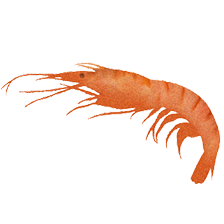 |
Shellfish, such as oysters, crab, and clams |
Copper, zinc, iron, B12 | These nutrients assist norepinephrine and dopamine synthesis, as well as antioxidant defense and methylation. |
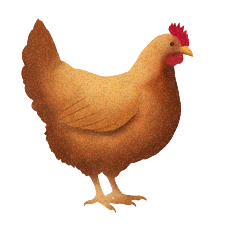 |
Poultry, such as chicken and turkey |
Protein, B6, niacin (B3) | Protein and B6 are essential for synthesis of epinephrine; B3 supports energy and stress resilience. |
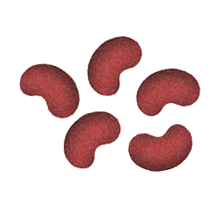 |
Legumes, such as lentils, chickpeas, and beans |
Protein, folate (B9), nonheme iron, magnesium, zinc, dietary fiber | Amino acids support the synthesis of neurotransmitters; folate and magnesium support methylation; fiber may aid gut–brain communication. |
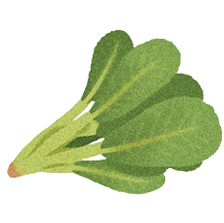 |
Leafy greens, such as spinach, kale, and Swiss chard |
Folate (B9), riboflavin (B2), magnesium | Folate and B2 support methylation; magnesium promotes relaxation and parasympathetic balance. |
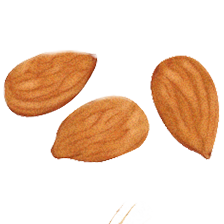 |
Nuts, such as almonds and cashews, and seeds, such as pumpkin, sunflower, and sesame | Zinc, copper, magnesium | Zinc and copper are cofactors for neurotransmitter production; magnesium supports a sense of calm. |
 |
Whole grains, such as brown rice, oats, and fortified cereals |
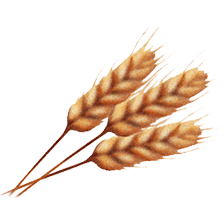
Thiamine (B1), niacin (B3), B6, magnesium | Thiamine enables acetylcholine production; B vitamins and magnesium support methylation. |
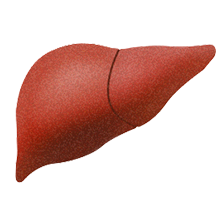 |
Organ meats, such as liver and heart |
Choline, copper, heme iron, B12, folate (B9) | These cofactors support sympathetic (iron, copper, B12) and parasympathetic (choline) neurotransmitter synthesis; folate and B12assist methylation. |
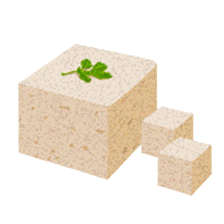 |
Soy foods, such as tofu, edamame, and soy milk |
Protein, choline, magnesium, copper | Plant-based protein and copper support neurotransmitter synthesis; magnesium helps regulate nerve signaling and autonomic balance. |
 |
Dairy, such as milk, yogurt, and cheese |
Protein, riboflavin (B2), B12 | Protein and B vitamins provide building blocks and cofactors for neurotransmitter synthesis. |
 |
Starchy vegetables, such as potatoes, yams, and winter squash |
B6, complex carbohydrates, dietary fiber | B6 aids neurotransmitter synthesis; complex carbs promote serotonin balance; fiber protects the lining of the gut and may reduce inflammation. |
 |
Cruciferous vegetables, such as broccoli and Brussels sprouts |
Choline, folate (B9), magnesium | Choline supports acetylcholine synthesis; folate supports methylation; magnesium supports a sense of calm. |
 |
Cocoa/dark chocolate | Magnesium, copper | These minerals facilitate neurotransmitter synthesis and promote relaxation. |
Nutrition for Nervous System Balance
A well-regulated autonomic nervous system (ANS) is fundamental for your resilience. Learn more at “How Nutrition Can Support a Healthy Nervous System,” from which this chart was excerpted.





Comments (0)