



Our social world often runs on a pace of “instant”: instant sends, shares, and replies can make it seem easier than ever to be more connected. But seven out of 10 Gen Zers — a generation of digital natives who’ve grown up on this fast track — are sharing that they’re feeling lonely and isolated.
A recent survey conducted by Talker Research for Life Time asked 1,000 Gen Z respondents about their social habits and found that connection matters to them. Adulthood, however, has made it harder to come by than they had expected.
The survey showed that cost is the No. 1 factor that impedes Gen Z from spending more time in social spaces, with 27 percent reporting they feel dissatisfied with how much going out can cost. Time constraints are an obstacle, too, as 30 percent admitted they’re too tired after work or school; another 30 percent said they need to prioritize other responsibilities instead.
The results shed light on what this generation thinks may offer a solution: “third spaces.” Sixty percent of respondents said they see a lack of dedicated social environments as part of the problem, noting that they need somewhere outside of home and work or school to make new friends.
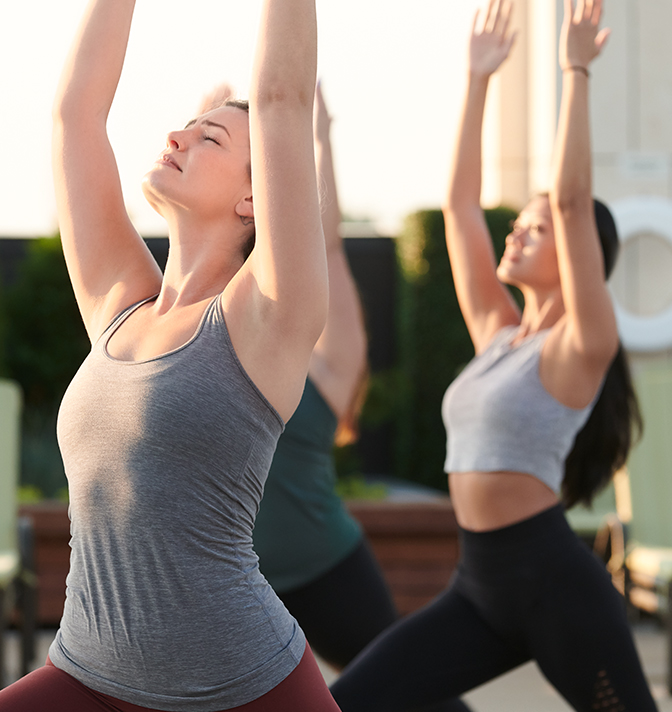
Coffee shops and bars are often go-to options, but a third of respondents said these settings only help them connect with friends once a week or less. A workout spot is the designated “third space” for 59 percent of respondents; 83 percent also noted that they’d be excited to combine fitness and friends more often.
“We hear often from Gen Z that they’re more likely to stay consistent when they find a workout buddy or a group class they enjoy,” says Danny King, director of performance and recovery at Life Time. “It’s encouraging to see so many recognize the value of combining fitness and friends. Showing up regularly with people you know helps build routines and relationships at the same time, and that supports mood, stress, and motivation.”
And with 80 percent of those surveyed saying they’ve committed to active lifestyles within the past year, it may simply be more efficient to create connections where they work out — especially with calendars that are stretched thin.
For many Life Time members across the age spectrum, it stands true: Their health club has been the space for meaningful connections and community. And social connection can include, but doesn’t only have to be about, completing a workout together.
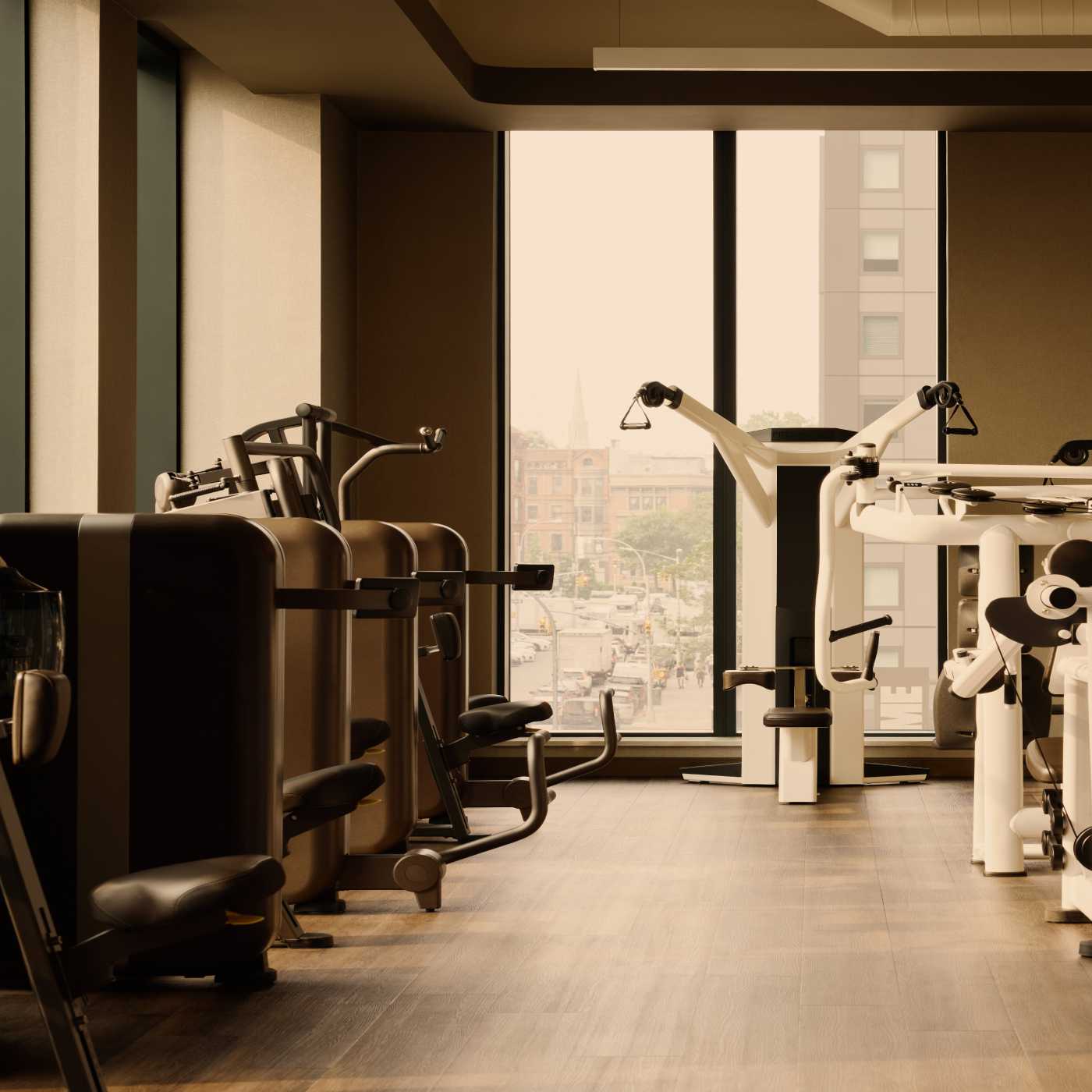
Many of the spaces and experiences at Life Time are designed around heightened and elevated social moments, including coed hydrotherapy suites, pickleball courts, special events, coworking areas, cafes, pool decks, and more.
Life Time also continues to innovate in the social space. LT Social, a new social membership at Life Time, is designed to give members more ways to connect through experiences that meld wellness, hospitality, culture, and people.
“People are looking for somewhere to go that isn’t home, work, or school — and fitness can be that place,” says King. “When a space brings people together around shared goals, it becomes about more than a workout.”