




Andrew Lim, executive chef at Perilla Korean American Fare and Korean American Steakhouse in Chicago, chooses his cooking wines based on a variety of characteristics, including terroir, tasting notes, and their transformative powers.
He often turns to cheongju — the sweet, tangy byproduct of makgeolli, a Korean wine made with fermented grains. Its acidity and natural enzymes make it great for tenderizing meat. He uses it in marinades, to rinse fish after curing, and to deglaze a pan. “You’ll want to use a small amount of it,” he says. “But it adds a lot of umami that you don’t get from any other ingredient.” (Learn more about the fifth flavor, umami, at “Umami: The Secret Flavor.”)
Big, fruity red wines with middling tannins pair well with bold, complex flavors. Lim leans on reds for a twist on a Korean classic like galbi jjim — braised short ribs similar to a beef bourguignon — or to add complexity to a marinade. A crisp rosé or orange wine can offer tart citrus notes for lighter fare.
“I love cooking off aromatics, and then just as they’re starting to brown, hitting them with white wine,” he says. “That smell — it’s just beautiful.”
Fortified wines and sweet whites are better for poaching fruits, creating glazes, or macerating dried fruit. “Throw a raisin in a flavorful wine like sherry or port, and it plumps up into a super delicious fruit bomb,” he notes. “I’ll use them to garnish a cauliflower dish or make a gremolata.”
Level Up Your Cooking
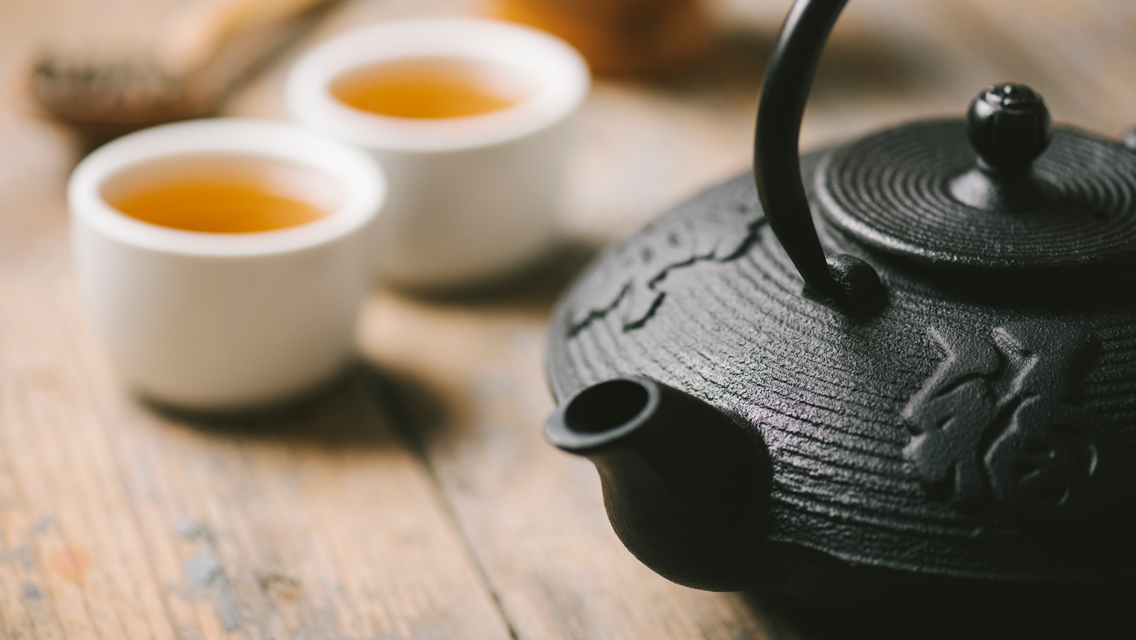
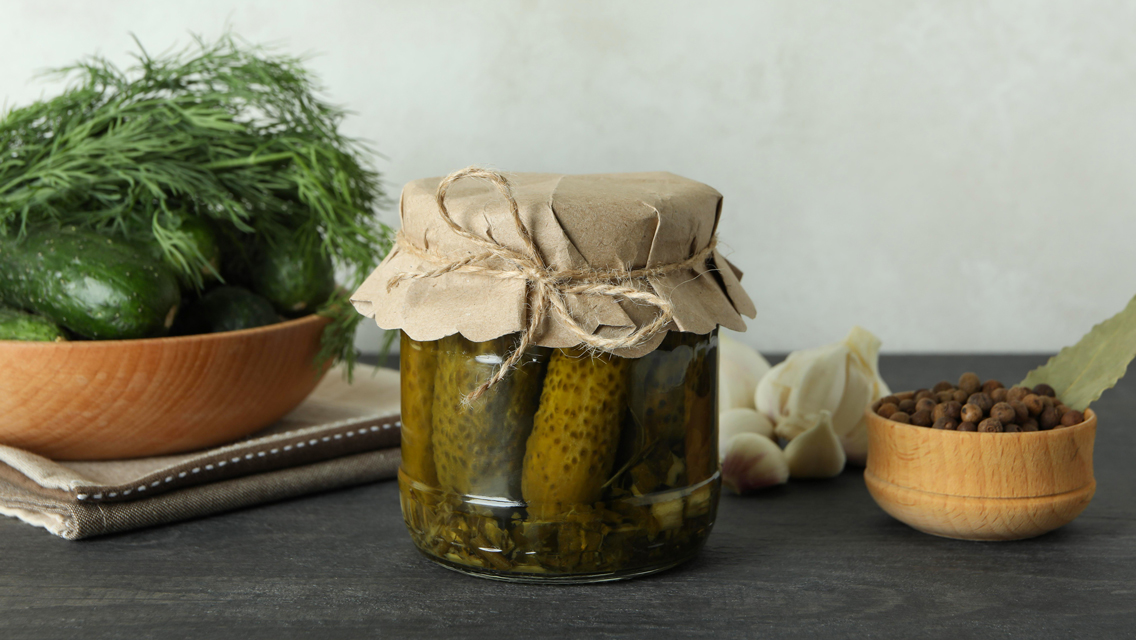
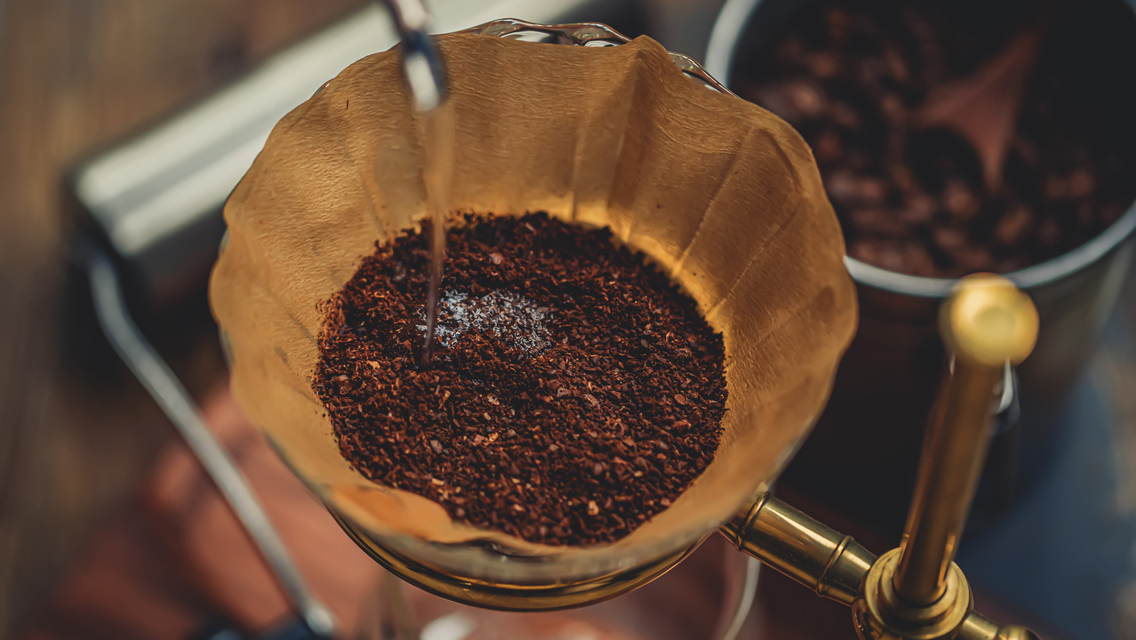
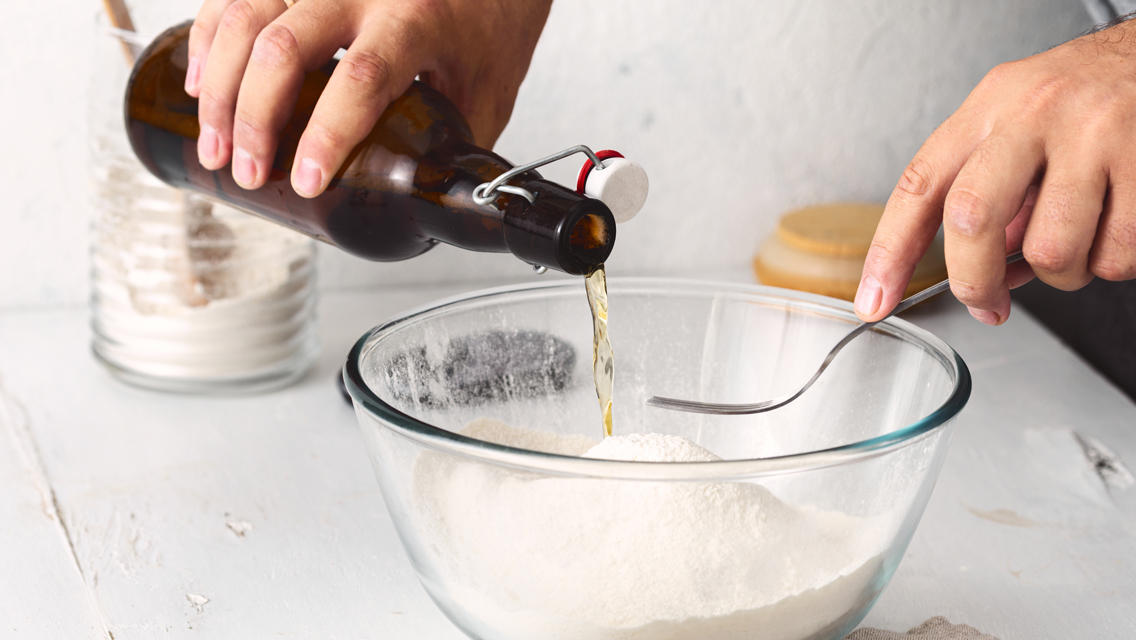
Coffee, tea, beer, and even pickle juice can add flavor and complexity to some of your favorite dishes. Learn more at “Level Up Your Cooking With Beer, Tea, Coffee, and Other Flavorful Liquids,” from which this article was excerpted.


Comments (0)