



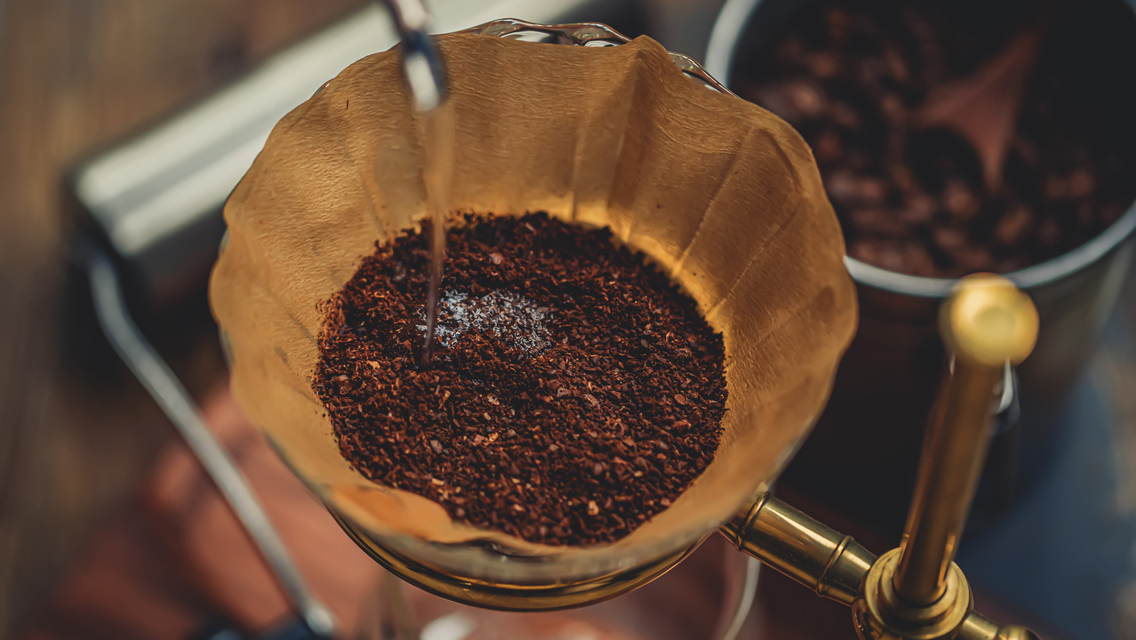
Strong-brewed coffee is a natural for a low-and-slow braise, like with beef or lamb. Combined with spicy aromatics and red wine, it yields fork-tender meat with serious Sunday-supper vibes.
Amador throws a shot of espresso in her turkey chili for a robust depth of flavor. The espresso’s toasty chocolate notes and bitter edge make all the warming spices in the chili a little bolder while rounding out the tomato’s acidic edges.
Coffee also has plenty of uses beyond the savory. Saad’s Lebanese foodways include French culinary influences — notably pastry. She dunks ladyfingers in dark coffee for tiramisu. Or better yet, her favorite use for coffee is folding it into pastry cream and piling it onto a layered walnut cake.
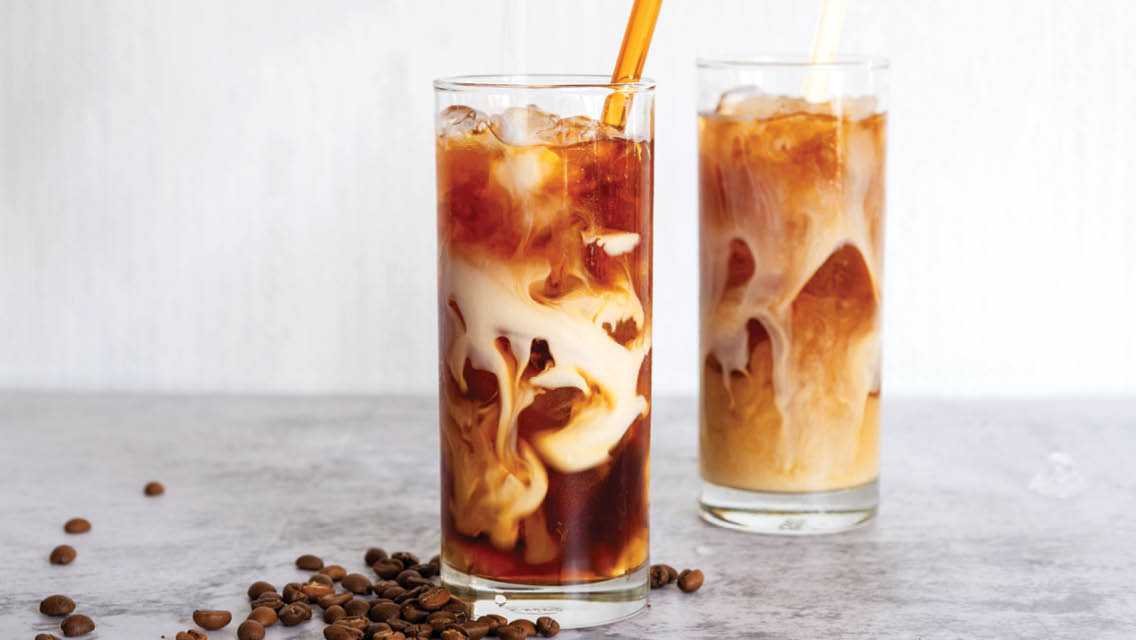
Whether it’s sweet Kenyan or citrusy Costa Rican, light- to medium-roast coffees are less bitter and more acidic. That flavor profile complements the rich, tangy sweetness of balsamic vinegar, and you’ll sometimes see coffee and vinegar combined in vinaigrettes, glazes, and even lattes.
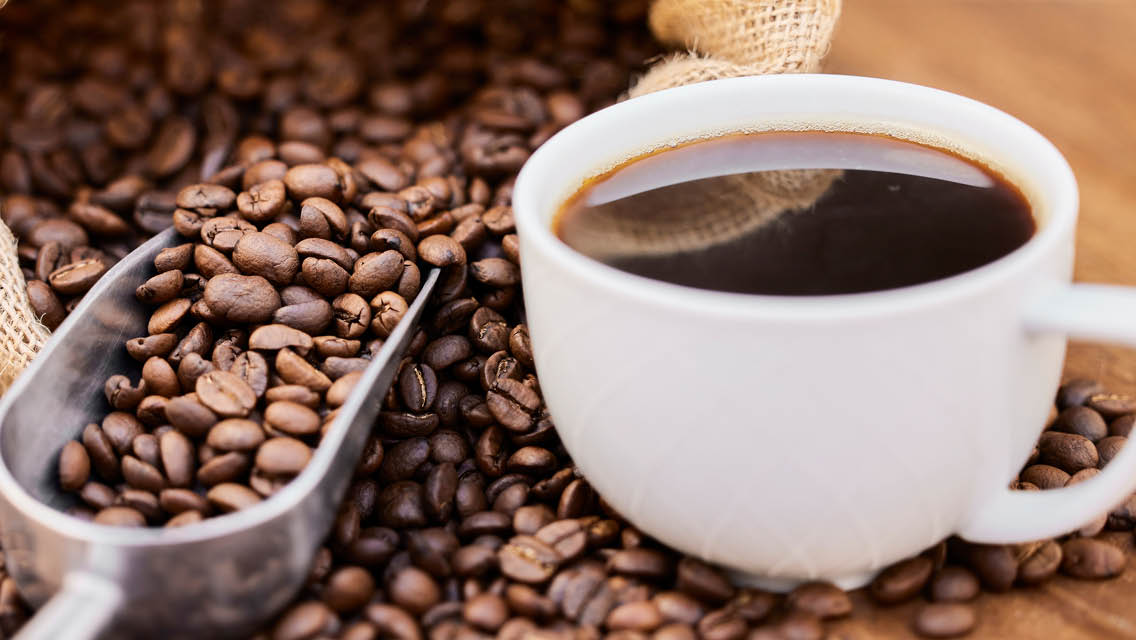
“Always use fresh coffee for drinking or cooking,” Saad advises. “It loses its goodness if it sits around, and you absolutely cannot reheat it.”
Level Up Your Cooking
Coffee, tea, beer, and even pickle juice can add flavor and complexity to some of your favorite dishes. Learn more at “Level Up Your Cooking With Beer, Tea, Coffee, and Other Flavorful Liquids,” from which this article was excerpted.


Comments (0)