




This key mineral is involved in more than 300 biochemical reactions, including muscle contraction, nerve signaling, and blood-sugar regulation. For the heart, magnesium’s most important job may be promoting relaxation.
“Having adequate magnesium helps the muscles in the arteries relax, and that results in better blood pressure,” says Elizabeth Boham, MD, MS, RD, medical director at the UltraWellness Center in Lenox, Mass.. “Having a healthier blood pressure is associated with less cardiovascular disease.”
This relaxation is important because stress has the opposite effect — it produces tension. When your fight-or-flight system activates, your blood vessels tighten and your heart works harder to circulate blood. Magnesium helps counteract that response by helping your body produce nitric oxide, which cues the blood vessels to open up so blood can flow more easily. (Nitric oxide is a gas that can’t be harnessed well in a supplement, so nitrate-rich foods are your best source. See “How to Boost Nitric Oxide” for more.)
Not getting enough magnesium can have serious effects on your health. Low levels are linked to high blood pressure, an irregular heartbeat, and a higher risk of heart disease and stroke. Mimi Guarneri, MD, FACC, a functional-medicine cardiologist and president of the Academy of Integrative Health and Medicine notes that magnesium and potassium deficiencies are both connected to atrial fibrillation.
Beyond the heart, magnesium supports sleep quality and mood, which tend to suffer during stressful periods.
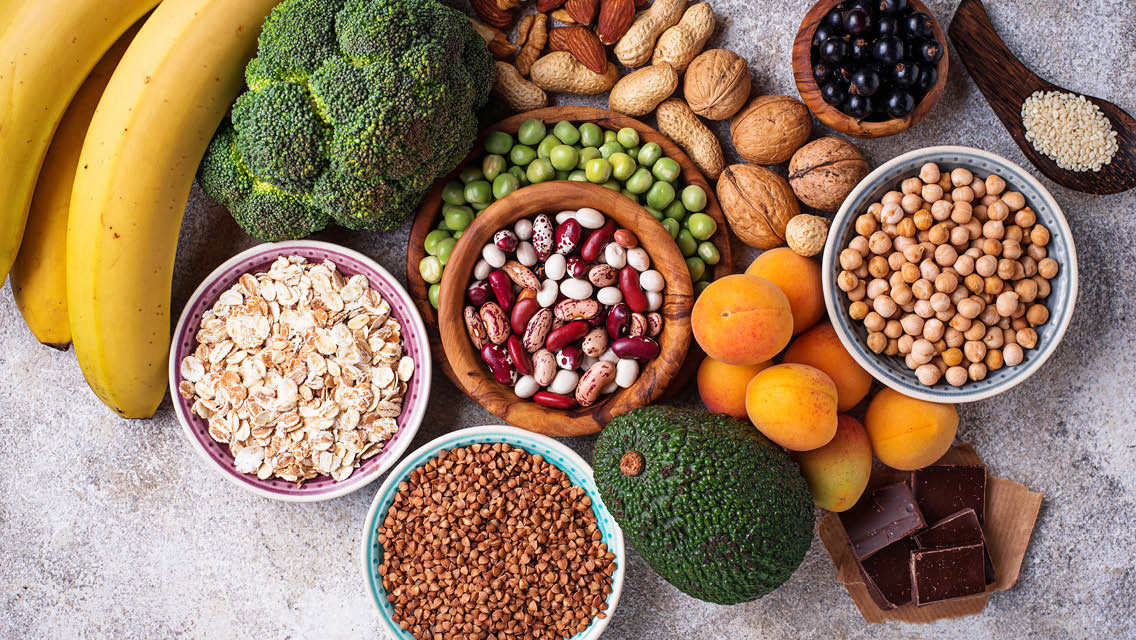
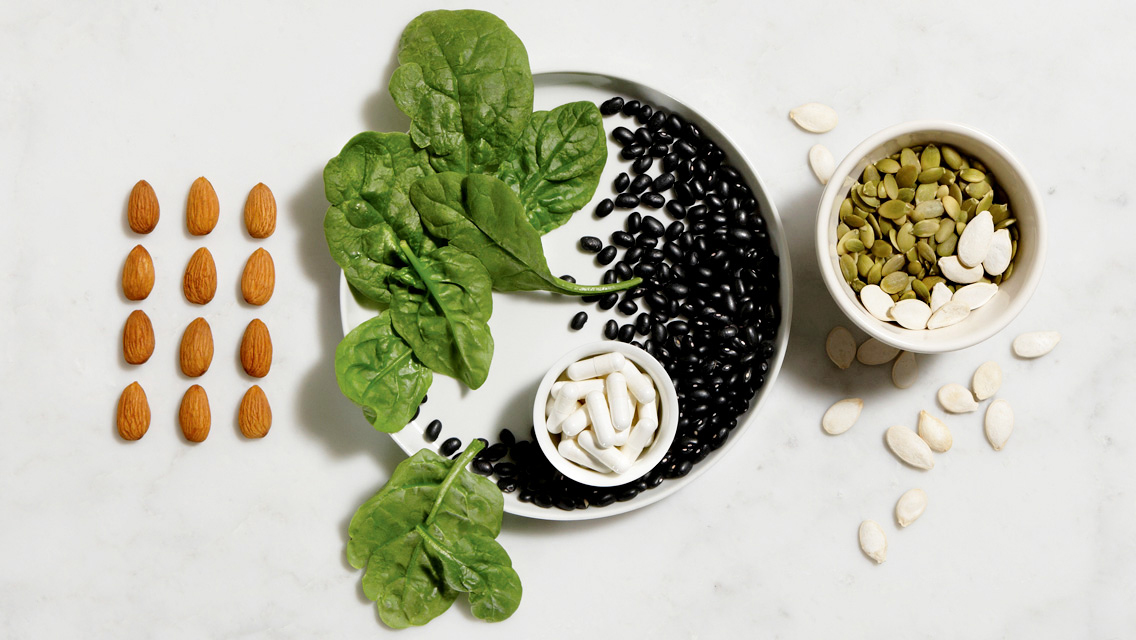
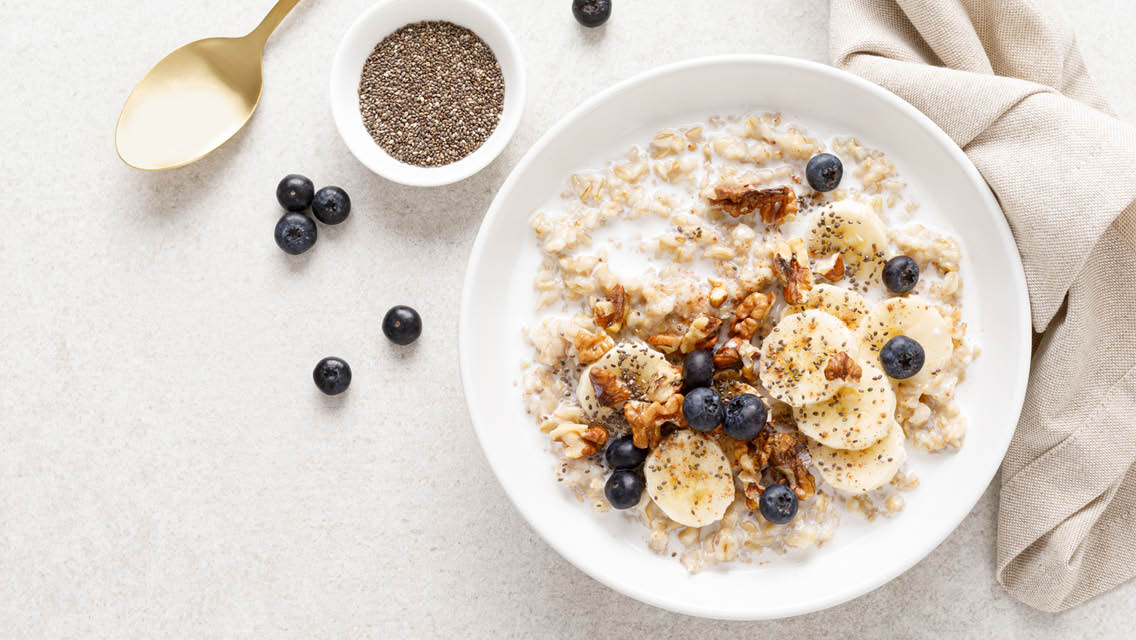
The richest whole-food sources of magnesium include dark leafy greens (like spinach and Swiss chard), pumpkin seeds, almonds, cashews, black beans, and avocados. Whole grains, such as oats and brown rice, contain good amounts too. Even dark chocolate (70 percent cacao or higher) provides a decent dose per ounce.
Boham recommends boosting magnesium (along with fiber, healthy fats, and protein) with a daily quarter cup of raw, unsalted nuts.
If your diet is heavy on highly processed foods, you might not be able to get enough magnesium from food alone. In addition to dietary shifts, supplementation can help. Boham recommends magnesium glycinate or magnesium L-threonate, more absorbable forms that can also support relaxation and sleep.
Magnesium-citrate supplements are another option, though they can have a mild laxative effect. Still, this may be useful if you’re dealing with sluggish digestion during the holidays, Boham says. (Learn more about the health benefits of magnesium at “Why Magnesium Is Crucial for Your Health.”)
Guarneri highly recommends testing before choosing to supplement. “Most nutrients in the body can be measured with simple blood and urine tests,” she says. “A simple rule is to use supplements to correct a deficiency, or therapeutically, such as to lower cholesterol.”
Eating for a Calm Heart
Learn how to prioritize heart-healthy nutrients to support your cardiovascular system during a stressful season at “4 Nutrients to Support a Calm Heart,” from which this article was excerpted.






Comments (0)