




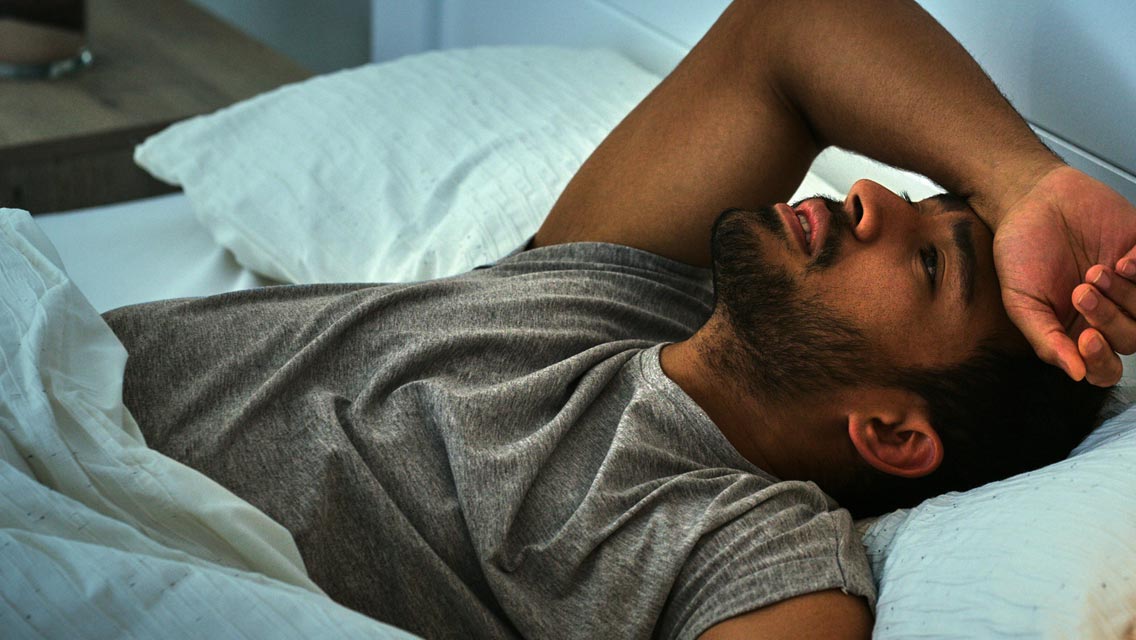
If the pandemic has messed with your sleep cycle, you have plenty of company. A survey conducted by the American Academy of Sleep Medicine (AASM) in the summer of 2020 found that nearly one in five respondents struggled with “COVID-somnia.”
And it’s only becoming more common. Repeating the survey with the same number of participants in 2021, the organization reported that the number had risen to almost one in two. “A lot of people thought that our sleep should be getting better because we can see the light at the end of the tunnel — but it’s worse now than it was,” AASM spokesperson Fariha Abbasi-Feinberg, MD, tells the New York Times. “People are really struggling.”
More than half of those surveyed report using some variety of sleep aid. But Abbasi-Feinberg suggests that chronic insomnia — sleep disruption lasting longer than three months — is best addressed with cognitive behavioral therapy (CBT). For short-term sufferers, she offers a dozen strategies to help you catch some better z’s.
- Create a quiet, relaxing atmosphere in your bedroom. Keep it at a cool, comfortable temperature.
- Use your bed only for sleep and sex.
- Establish a relaxing bedtime routine.
- Limit your exposure to bright light in the evenings.
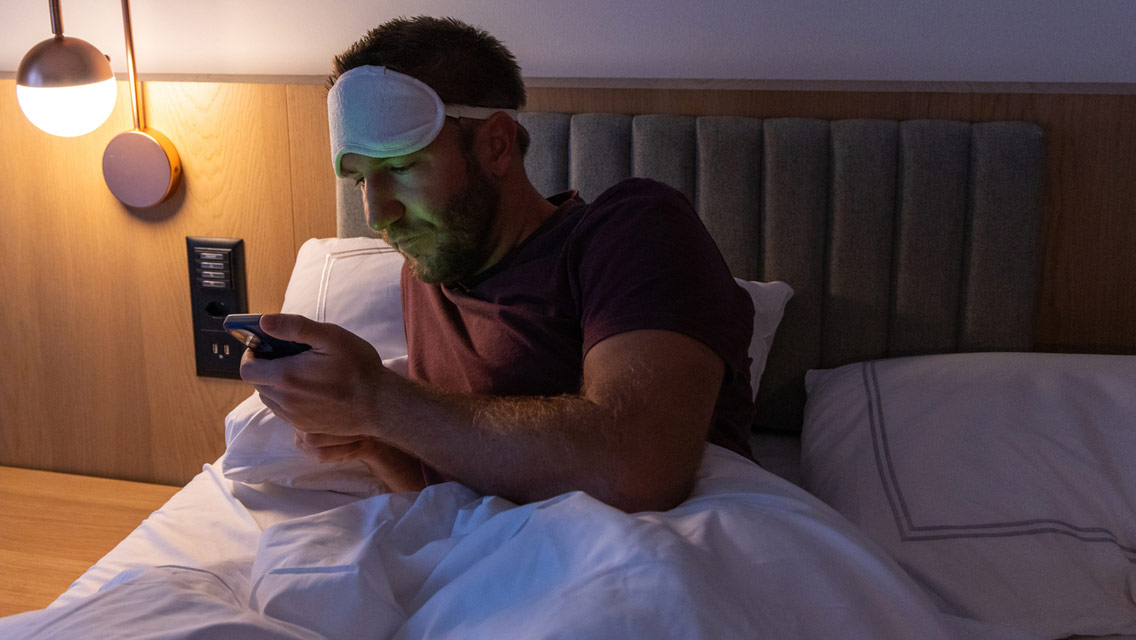
- Avoid electronic devices at least 30 minutes before bedtime.
- Don’t eat a large meal before bedtime. The digestive cycle can make it hard to sleep.
- Avoid consuming caffeine in the late afternoon or early evening.
- Avoid alcohol for several hours before bedtime.
- Keep a consistent sleep and wake schedule.
- Go to bed early enough to ensure at least seven hours of sleep.
- Don’t go to bed unless you’re tired.
- If you’re still awake after 20 minutes, get out of bed. Go back to bed when you’re sleepy.
This article originally appeared as “The Other COVID Consequence: Lost Sleep” in the March 2022 issue of Experience Life.


Comments (0)