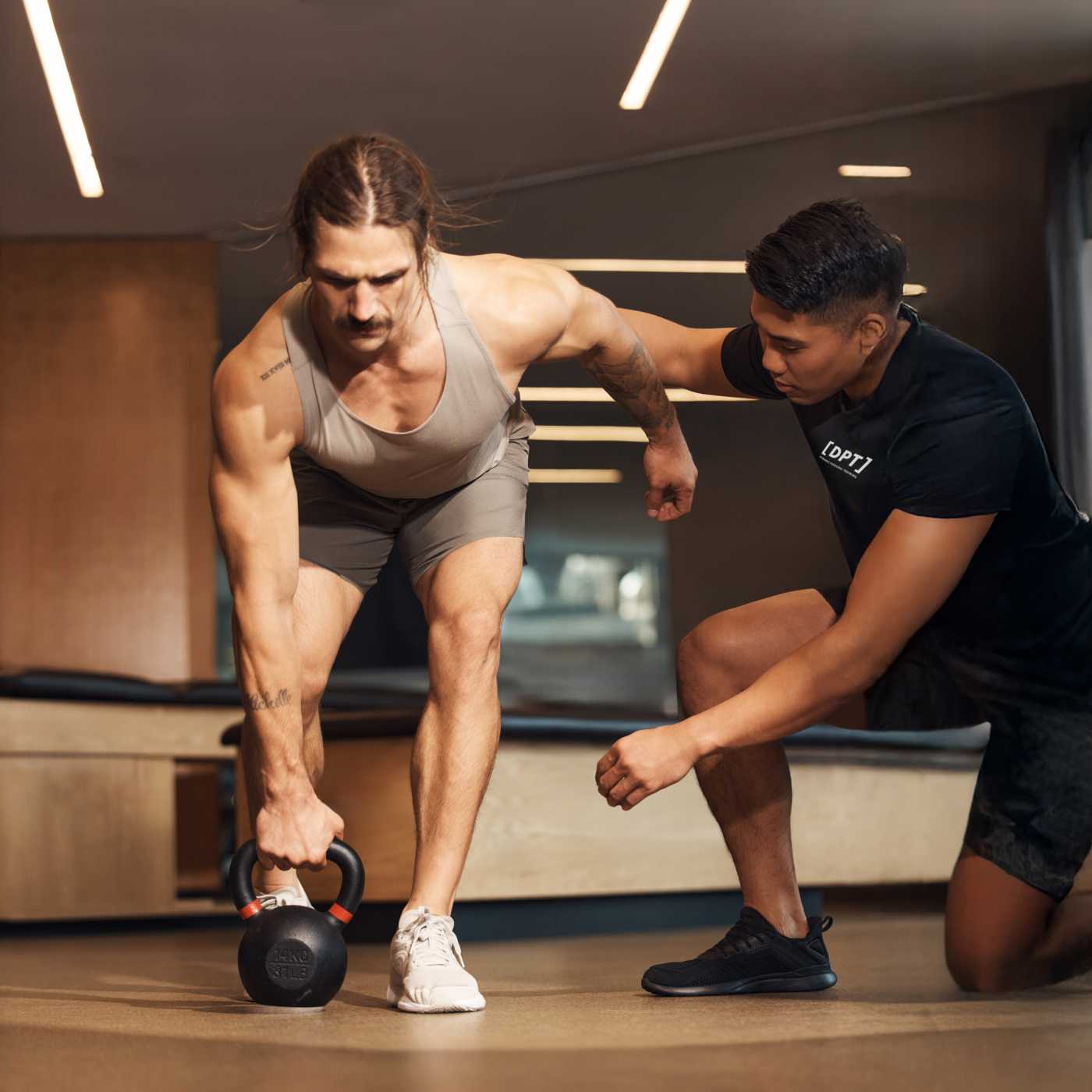




You’ve been showing up consistently, training hard, focusing on your nutrition, and prioritizing recovery. But when it comes time to assess your progress, you may default to the same two data measures: the weight on the scale and the weight on the barbell. What you may be missing, however, are powerful proofs of progress that lie beyond those numbers.
“Recognizing smaller improvements can help you stay motivated and consistent,” says Ariel Brayer, personal training leader at Life Time in Shenandoah, Texas. “If someone believes nothing is working simply because the scale has not changed, they may become discouraged and stop doing the habits that are benefiting them. Smaller wins provide evidence that the effort is working and can also help a long-term goal feel more manageable.”
Here, Brayer outlines several signs to watch for to get a true sense of your progress toward your healthy-living goals. “Keeping a quick note on your phone can help you remember and celebrate these smaller wins and see how they add up,” she says. “They do not need to be dramatic. Maybe you took a 10-minute walk instead of skipping movement completely. Maybe you chose an earlier bedtime. Maybe you laughed during your workout instead of treating it like a punishment. All these moments count!”
1. Everyday activities feel easier.
A major sign of improvement is simply feeling better in your everyday life. Brayer recommends noticing when regular activities and movement start to feel easier.
“Maybe you can carry all the groceries in one trip, take the stairs without getting winded, or get off the floor without needing to use your arms for assistance,” says Brayer. “These moments may not feel as exciting as seeing a number change on the scale, but they are real signs that your strength, mobility, and endurance are improving.”
2. You feel stronger without necessarily lifting more weight.
The ability to lift more weight is one way to measure strength, but it’s not the only way, according to Brayer.
“Completing more reps, achieving proper form, moving through a greater range of motion, and feeling more confident with an exercise are all signs of improvement,” she says. “Sometimes you use the same weight but move it with more control and less effort. That absolutely counts.”
3. Your energy is more stable.
Consistent sleep, nutrition, hydration, and movement can all support better energy, but this change often happens gradually, and you likely won’t notice it immediately.
“You may begin to notice you’re no longer crashing at 2 p.m., relying on several cups of coffee to get through the day, or coming home from work drained,” says Brayer. “One day, you may realize that your energy is staying stable for the entire day, nearly every day.”
4. You’re sleeping and recovering better.
Healthy nutrition and exercise work together to help reduce stress and regulate your body’s internal clock (or circadian rhythm), which can lead to more restorative sleep and recovery.
“You may find yourself falling asleep more easily at night, waking up feeling more rested, experiencing less soreness, or recovering more quickly between workouts,” says Brayer. “Recovery is an important part of progress. A good fitness routine should help you feel stronger and more capable, not constantly exhausted.”
5. Your mood and stress response are improving.
A healthy routine of regular exercise and adequate nutrition can help you manage stress by making your body more resilient.
“We all have difficult or stressful days, but you may notice that you’re more patient, less reactive, or able to reset more quickly after a frustrating moment,” says Brayer. “Sometimes progress is not about having fewer challenges, but rather handling those challenges better.”
6. Healthy choices are becoming easier to repeat.
The goal of adopting healthier habits is to establish them in your life so that, when you no longer need to think about them, they’re just a regular part of your routine.
“At first, every workout or healthy meal can feel like a major discussion with yourself,” says Brayer. “Over time, you may notice that you simply get up and do it. You take the walk, drink the water, prepare the meal, or go to bed earlier without needing a motivational speech. That is a major sign of progress because it means your routine is becoming more consistent and sustainable.”
7. You return to your routine faster after an imperfect day.
Miss a workout after a busy day or stray from your regular habits on a vacation? It’s OK, because you’re able to jump right back into your regular healthy habits.
“One of my favorite signs of progress is when someone stops turning one missed workout or unplanned meal into a reason to give up for the entire week,” Brayer says. “Consistency does not mean doing everything perfectly. It means being able to return to your normal routine without guilt, punishment, or waiting until Monday to begin again.”
8. You’re enjoying the process.
Healthy habits are more sustainable when you find joy in the experience, and if you discover yourself looking forward to your workout or feeling proud of yourself, that’s a huge victory.
“Health and fitness do not have to feel serious all the time,” Brayer says. “Having fun can make a routine easier to maintain. If you enjoy what you’re doing, you’re more likely to continue doing it.”
Brayer encourages her clients to notice and celebrate these and all other wins — big or small — along the way.
“Do not wait until you reach the final goal to recognize your progress,” she says. “Pay attention to what your body can do, how you feel throughout the day, and which healthy habits are becoming easier to maintain. If you’re getting stronger, moving more, recovering better, and feeling more confident, your effort is working. Keep showing up, track more than the scale, and have some fun along the way.”