

In 2025, Jennifer Jacobson needed something to keep herself busy. She was managing postconcussion symptoms and having a hard time with computer screens, which complicated both her daytime work as an art director at Experience Life and her evenings watching her favorite shows. She wanted an analog activity to fill her time.
On a whim, she signed up for a stained-glass art class, where she assembled and soldered colored shards of glass. She was surprised to find that she had a knack for the medium. Her first class led to another, and another and soon enough, Jacobson had bought her own equipment and started making designs at home. The best part? No screens required.
Many of us spend a lot of time on our digital devices, which can take a toll on our physical and mental health. Excessive screen time has been associated with heightened anxiety and depression, as well as with physical complaints like eye strain and upper back pain.
Meanwhile, taking a break from our devices creates space for analog activities that can stimulate our minds and enrich our lives. Research suggests that engaging in creative arts can reduce stress and slow brain aging. And, as Jacobson learned, it can even help us discover hidden parts of ourselves.
As a creative person whose typical outlet involved computers, restricting my screen time after my concussion felt like losing part of myself,” she says. “Stained glass gave it back — this time through my hands instead of a mouse.”
Analog hobbies come in all shapes and sizes, so there’s sure to be an activity that suits your skills and interests. The only requirement is that you find it fun. If you need some inspiration, consider the following ideas.
(01)
Create something.
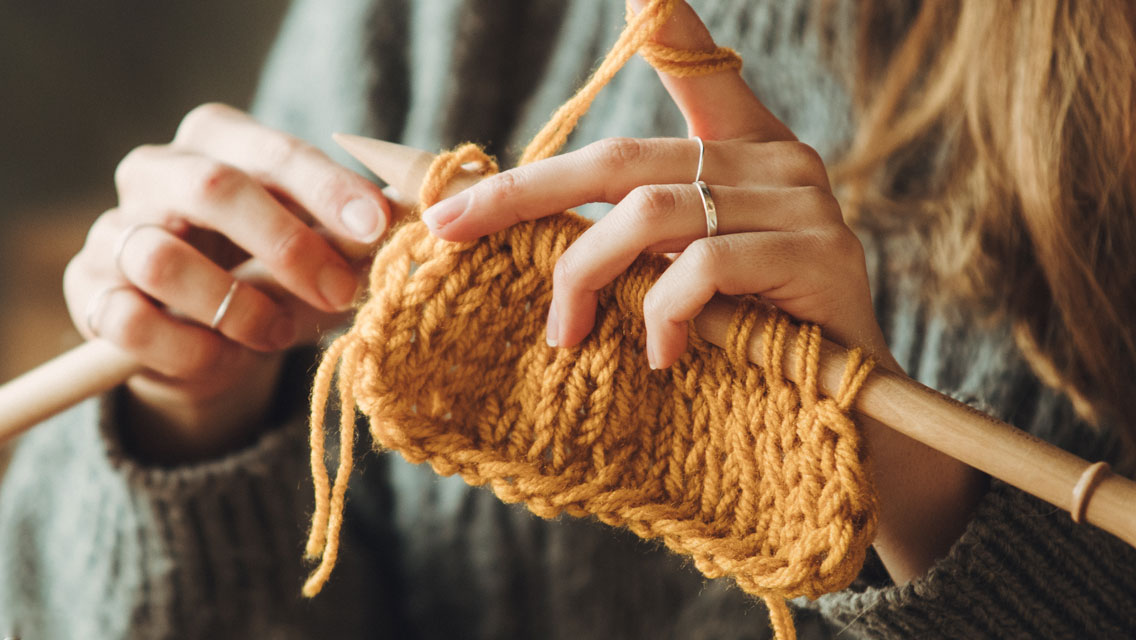
There’s something inherently compelling about about a creative activity, whether it’s spending an evening knitting a cozy scarf or a weekend shaping and sanding a cribbage board in your garage. Hobbies like these offer myriad health benefits. A systematic review published in 2025 found that crafting may reduce anxiety, ease depression, improve self-efficacy, and increase life satisfaction.
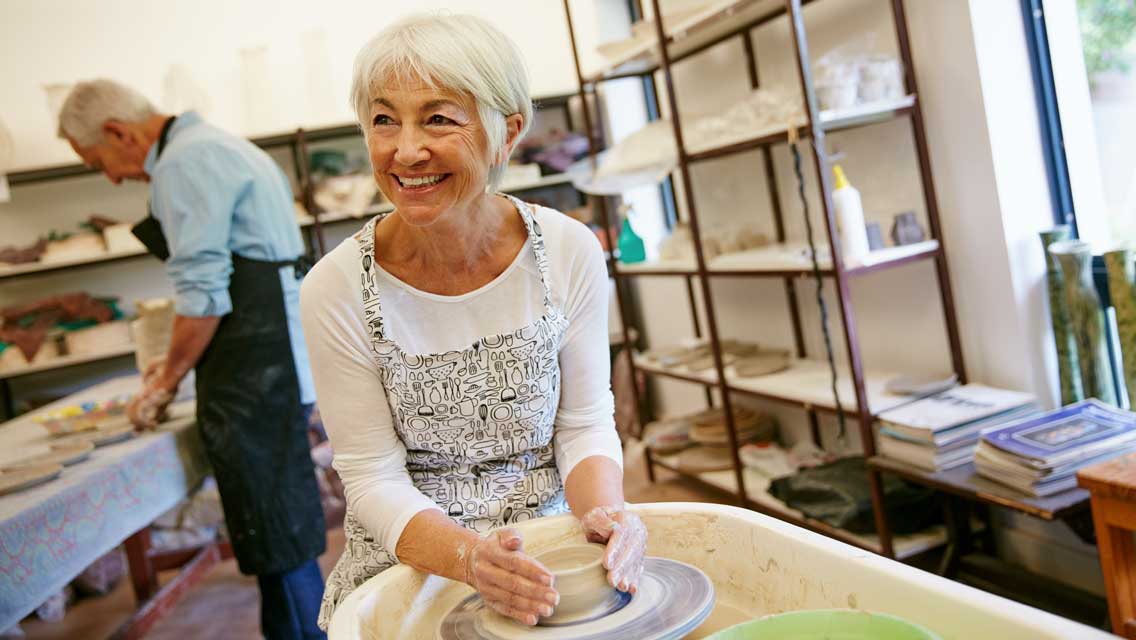
Traditional crafts, such as needlework, knitting, and crocheting, are only some of your options; you could also try your hand at leather tooling, woodworking, basket weaving, jewelry design, soapmaking, or candle pouring.
Get started: Visit a local craft store for basic materials. Consider perusing secondhand stores or websites for starter kits.
(02)
Dance.
Dancing not only is fun, but it can also release endorphins and improve your self-confidence. You can find classes in a wide range of styles — ballroom, tap, salsa, two-step, hip-hop — or just choreograph your own moves in the kitchen after dinner.
Dance is a great outlet for stress and anxiety, too. “Unlike other workouts, dancing requires me to put my phone away and be fully present,” says Amanda Guillen, chief creative officer at Creative Junkies Agency. Guillen reconnected with her childhood love of dance at age 33. “Interestingly, I find that I am a better dancer now than I was in my youth, because I have a much deeper understanding of my body and muscle mechanics.”
Get started: If a dance class sounds motivating, check out your community education offerings or see what’s available at your fitness center or health club. But you don’t need a formal lesson to dance; just crank your favorite song and start moving.
(03)
Make music.
Playing music offers a multitude of benefits, from stress relief to happiness. And findings from a study published in 2022 suggest that longtime musicians may enjoy cognitive resilience later in life.
You could learn to play a new instrument, return to one you played in school, or improve your vocal skills. At a party, it’s great to be able to sit at a piano or grab a guitar and play someone’s favorite song.
Get started: Music lessons aren’t just for kids. Search online for music instruction in your city and contact a few instructors. If you’re new to playing an instrument, some music stores offer free lessons to help you choose the instrument that’s right for you.
(04)
Play a game.
If you can get three of your friends to join you — bonus points if they’re also looking for a screen-free hobby — you’ll have the makings of a Catan, bridge, or mahjong group. Originating in 19th-century China, mahjong might remind you of rummy, and it serves as a great memory builder. A narrative review published in 2025 shows that playing board games can also improve knowledge retention, motivation, and well-being.
Get started: Ask friends if they need an extra person for their next game or trivia night. Or pick up some board games and cards at the thrift store and host a game night of your own.
(05)
Connect with animals.
Pet owners are well acquainted with the positive effects animals can have on their physical and mental health, so if you’re inclined to adopt a pet, you can add that fact to your “pro” column. But you don’t need a pet of your own to experience the benefits.
Laura Stratton took up horseback riding at age 50 and was delighted by the activity’s physical and emotional rewards. “Be prepared to get stronger,” she says, and to discover the deep connection you can build with a horse.
You could also volunteer at a local animal shelter, foster animals waiting for their forever home, start a dog-walking service, pet-sit for friends and neighbors, or grab your binoculars and go birding.
Get started: Reach out to your city’s animal shelter or a pet-rescue organization if you’d like to adopt a pet or volunteer to foster. Find a nearby stable and inquire about riding lessons. If you want to offer pet services, consider creating a profile on an app like Rover.
(06)
Learn to sew.
It’s frustrating to buy a new pair of pants that are too long or discover that your favorite shirt has a rip in the sleeve. For those who know how to sew, these problems can be fun projects rather than chores. Altering clothes can double as a side hustle if your skills are sharp and you’re eager for new projects.
Sewing is best learned from someone who knows it well. See if a mending expert, whether a relative or a professional, would be willing to teach you some basic stitches and show you around a sewing machine. (In a pinch, there are plenty of skilled sewers to learn from online.)
Get started: Fabric stores in your area might offer classes that teach the basics. Buy a cheap sewing kit and work on an old pair of pants before committing to a sewing machine or altering an expensive garment.
(07)
Watch the birds.
Not only does birdwatching get you outside and give you a chance to engage with nature, but it also offers measurable cognitive benefits. Researchers have found that, compared with novices, expert birders have structural differences in their brains that are associated with better attention, visual perception, and memory.
So get curious about the birds you see in your neighborhood.
Get started: Don’t overthink it. Get an inexpensive pair of binoculars and watch birds in your backyard or local park. Observe their features and behavior to see if you can identify them. Check out guidebooks, such as The Sibley Guide to Birds, and familiarize yourself with common species in your area. Start keeping an eye out during migration season.
(08)
Be a kid.
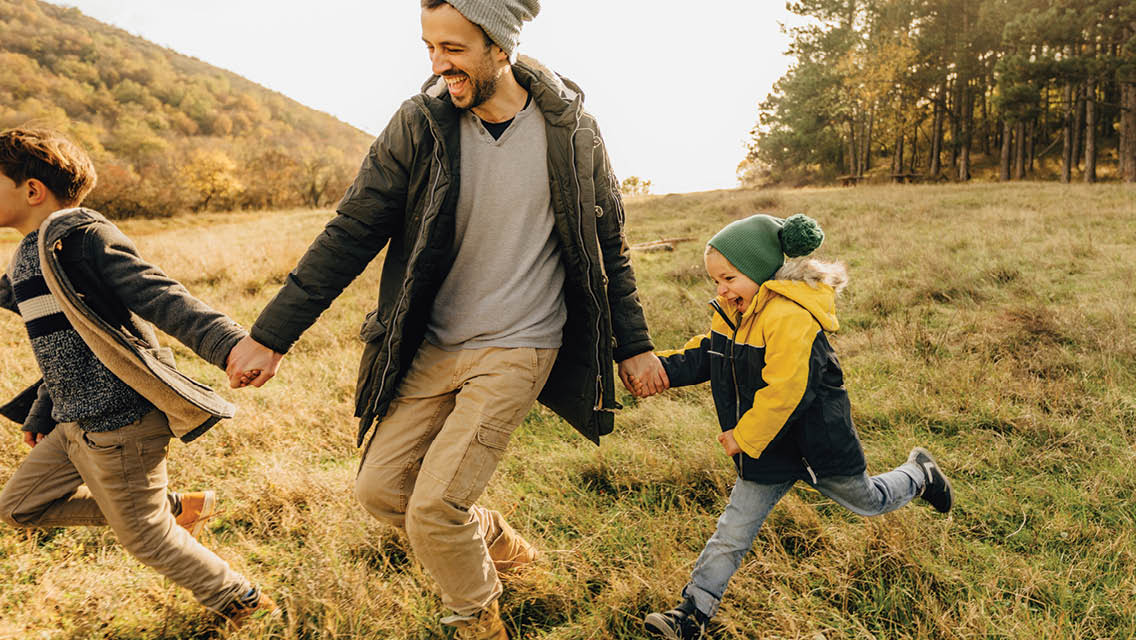
If you loved to paint, draw, use Play-Doh, or skip rocks as a kid, why not lean into those early loves? They aren’t just for children. If you have kids of your own, these activities can help you connect with them and your younger self.
For a more active option, try experimenting with a sport you once loved — or one that you wanted to try but never did. Think skateboarding, gymnastics, ice-skating, martial arts, or obstacle-based fitness training.
Get started: Buy some fresh Play-Doh and build something. Get some crayons or pastels and start coloring. Dig out the LEGO sets, Kinetic Sand, or other traditional kids’ toys. And scan the local offerings for instruction in your favorite childhood activity. Your skateboard awaits.





Comments (0)