

Why Your Healthy Routine Isn’t Working Anymore
Learn why your routine might not be working and what it means to tune in to your own body and its changing needs so you can understand stalled progress and make informed adjustments to jumpstart your efforts.



You pour so much energy into your health and well-being, and expect your body to respond accordingly. But what happens when the results don’t match the effort?
This can be both frustrating and confusing, especially when the habits that once worked suddenly stop delivering — or when you see something work for someone else but not for you. In this episode, Anika Christ, RD, CPT, talks about why your routine might not be working and what it means to tune into your own body and its changing needs. She shares practical steps to help you understand stalled progress and make informed adjustments to jumpstart your efforts.
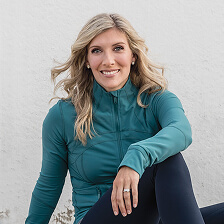
Anika Christ is a registered dietitian, a certified personal trainer, and the senior director of nutrition and weight loss at Life Time. She’s spent the last 15 years creating nutrition programs and solutions for both members and personal training clients. You might recognize her as “Coach Anika” from member-favorite programs including D.TOX and Lean + Tone.
In this episode, Christ explores why habits that once worked for you may stop delivering results and how you can tune in to your body’s changing needs. Her insights include the following:
- Your 20s playbook likely won’t serve you in your 40s. A lot can shift with your body and lifestyle over the years, which changes the equation of what drives results for you at your current age and life stage.
- Master the majors before the minors. About 80 percent of your health goals come from the basics: movement, whole-food nutrition, sleep, and stress management. Trendy or niche tactics can wait until the foundations are solid.
- Understanding your metabolic individuality is the starting point. Two people can follow an identical routine and experience different results because of underlying factors, such as inflammation levels, gut health status, and other internal factors.
- Comprehensive bloodwork gives you real data to work with and eliminates the guesswork about where to focus your efforts.
- Absorption matters as much as intake. You can eat well and still fall short on nutrients if something is blocking your body from taking in what you’re consuming.
- Strength training does more than shape your muscles; it supports your metabolism for the long haul.
- Lowering exercise intensity may be necessary is you’re experiencing chronic stress. When your body is already under stress, pushing harder can raise inflammation and stall your progress.
- Prioritizing quality rest is one of the most effective (and most overlooked) tools for metabolic balance.
- Chronic stress hormones are highly catabolic, meaning they can break down your progress even when your nutrition and training are dialed in. Managing stress isn’t a nice-to-have; it’s central to seeing results.
- Endocrine disruptors are worth minimizing. Avoid plastics and swap out cosmetics and cleaning products for cleaner alternatives over time.
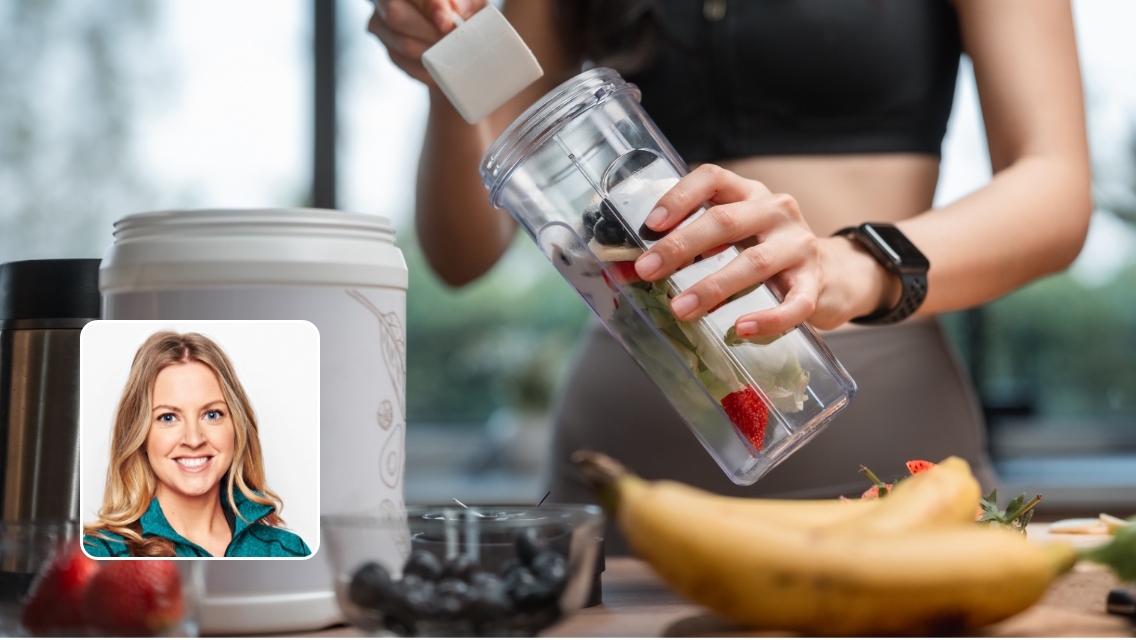
- Trying to change everything at once can lead to analysis paralysis. Christ suggests starting with one simple habit, like introducing a morning protein shake, to build momentum. Consistency with the basics beats a perfect plan you can’t sustain.
Transcript: Why Your Healthy Routine Isn’t Working Anymore
Jamie Martin
Welcome to Life Time Talks. I’m Jamie Martin. In this episode, we are talking all about healthy routines and why some parts of that might not be working for you. We put so much work in to do all of these things in our lives and we expect our bodies to respond, whether it’s our workouts, our nutrition. But what happens when the results simply do not match the effort?
In this episode, we’re talking about why your routine might not be working and what it means to tune in to your own body as well as your intuition. And back with me for this episode is Anika Christ. How are you?
Anika Christ
Good, how are you?
Jamie Martin
I’m doing great. I’m so excited to have you back. I think it’s your first appearance this season. It is. Okay, we’re gonna get into it. Yes. We want to make sure people know who you are, though, because you’re one of our most regular guests.
Anika is a registered dietitian and certified personal trainer. She’s also the senior director of nutrition and weight loss at Life Time. She spent the last 15 years creating nutrition programs and solutions for members and personal training clients. You probably recognize her as Coach Anika from member favorite programs, including D.TOX and Lean and Tone, which are all available in our app. Always.
Anika Christ
Yep.
Jamie Martin
I know, I know. Okay, Anika. So let’s just kick off right away talking about, you know, healthy routines and why they might be failing us, right? Because we put all these good efforts in, right? We have good intentions. But like what’s the biggest misconception people have or like the misstep you see people take about adopting an actual health plan?
Anika Christ
I think what’s happening, well, I will say I’ve when I think of my customer or clientele, usually they’re coming to me because they’re something that used to work doesn’t work anymore. Got it. So and it could be as simple as, you know, in my twenties, I might cut out gluten and dairy and I have no problem losing, you know, those extra pounds or leaning out per se or feeling good. And now I’m doing that and I’m not seeing the same exact results. Or maybe it’s the fitness routine, like, hey, I was doing these classes. This amount of intensity, this frequency during the week. And they’re like, it just doesn’t work.
So, and I, you know, I deal with a lot of lifetime customers, my favorite customers, and I would say they’re usually pretty good at being consistent, right? Like they’re trying to make really great decisions with their eating and they’re working out. And usually if they’re seeing me, it’s because there’s there’s a little bit more complexity to it. There’s something metabolically going on. And those are my.
Jamie Martin
Something is going on that we can’t really see even despite our eyes.
Anika Christ
Absolutely. And so and it’s a lot of times, you know, I always think of generations before us. They might say, well, it’s just about getting older. And I feel like we’ve talked about that on the episodes so many times of like yes and no, right? Like there’s things that can happen. And again, metabolically speaking, you know, our cells are getting older. They might need help with clearance and just metabolic efficiency. But the reality is you can do certain things at any era of life and look and feel really good. So it’s really just kind of understanding, okay, well, what are you doing? And how do we dig deeper?
What you know, your body is dynamic, it’s changing all the time. You have different life’s changes that are happening. You know, I always think of it’s not always the age, it might be like, Did you just start having kids? Are you sleep deprived? Like all of those things that kind of help and influence that for sure.
Jamie Martin
Absolutely. And I’ve said this multiple times on the podcast, but it’s you know, there are times where I get stuck in this mindset, like, well, when I was twenty, I was able to do this, right? And I feel like I have to hold myself to that standard of like that’s the plan I should be following still. Yes. But the reality is, fast forward twenty years, I’m now in my early forties, what I’m doing should look different based on where I am right now. But there’s still like this perception of like, but I was like this then.
So you kind of get stuck in that too. So like the healthy plan then Is the one I still have in my mind for whatever reason. That and social media. I mean, I think like there’s so many influences on social media, but it’s there’s so much that isn’t actually healthy there. So when you’re seeing those things, like those kind of extreme wellness approaches or an emphasis on like like really niche strategies, like why are they so distracting or why do we get sucked into them when there’s really other foundational things we could be doing?
Anika Christ
Yeah. I think there’s a few things. I mean, obviously the algorithm plays a huge role. You look at something once and like it, like you get all the likes and all the different content that’s very similar in your face all day. Even I get stuck in some of that. So I tell my clients that, like, yeah, no, I notice that stuff too, and now that’s all I see if I’m, you know, doom scrolling, which we’re all trying to cut back on. I know too.
But I think what happens is you do end up following people that you like. Yep. And so you like them, so you like what they say, and what they might be doing might actually be working for them. And in some cases, I’ve had to tell clients, like, that’s just working for them right now. You don’t actually know all of the things. And I think in health and fitness, we get really stuck on the minors, not the ma like the majors. We kind of talk about it before. Like the foundational stuff, like moving your body, getting sunlight, getting sleep, eating protein. Right. I can get someone most of the time, 80% of their goal, if they’re doing those things. Right. Yet they’ll come to me like, should I be taking this specific supplement? What about these peptides? And I’m like, Are you doing the foundations? Like we gotta start at the foundational level.
And I think like it’s fun. It’s we all like to be educated. There’s a lot of new stuff in health and fitness that we’re learning about. So it is like intriguing. Like, ooh, I just thought . . .
Jamie Martin
This thing over here on TikTok. Can I add that on top of what I’m doing? But is it right?
Anika Christ
But it’s probably not right for most people. And I think sometimes these fit influencers, they are talking and educating about stuff that’s worked for them specifically, not the thousands of clients they’ve dealt with of all ages, all kinds. And that’s where you gotta be really careful with who you’re following and taking advice from. Because I’ve even worked with other dietitians and personal trainers that are young. And so in their head, they’re like, Well, no, I think that everybody should be doing this. And I’m like, You haven’t gotten there yet. And you haven’t had a metabolic mishap maybe or barrier in your own metabolism. So you almost don’t believe it until you see it. I think that’s what’s hard.
And some of us have great genetics and you know can do things that don’t impact our metabolism yet. We usually do later in life. Right. So I always have to do a little bit of a check with clients too like okay how old is the person you’re following? Do they work with others? Are they just an expert of themselves? And that’s what I think like a great coach is is helping you become your own expert. Right. You in tune with your body, listening, learning, not just someone that’s really good at taking care of theirs. Right.
Jamie Martin
Well, and that actually leads us right into this idea of metabolic individuality. Like why does that matter and why should we be h be thinking about that vers especially when we’re seeing all these other influences like it worked for this person?
Anika Christ
Yeah. Well, and it’s interesting too because lifestyles, you know, people have said this before, way smarter people than me. Like, you know, genetics load the gun, but the lifestyle pulls the trigger. And I think that there’s a lot of different things that are happening in our planet and stuff too that are making even some people aren’t making lifestyle choices, but the genetics are having a little bit more control on kind of what’s happening. But I do go back to like you have control of the lifestyle. So we do need to do things like that.
But you should also pay attention to like what scares you in your family history, medical history specifically. I think all of us have certain things that if we’re not doing the right lifestyle changes, they come out in different ways. That’s why, you know, if I have a group of women, this person they could all be doing the same things, but this person has a thyroid issue. This person is super inflamed and having, you know, inflammatory markers elevated in their blood work. This person’s dealing with maybe adrenal fatigue like symptoms where they’re fatigued, they’re have low energy, where They all could be doing the same things, but it’s resulting. That’s the metabolic individuality part.
And for a lot of us, there’s a lot of things that influence that. Genetics is one of them. Lifestyle is a huge part of that. Age can have an impact of that too. So it’s kind of understanding what symptoms you have. That can help you self-direct. Like, hey, is there something going on with me that’s a little bit different? But I am a huge advocate for blood testing. I have all my clients, I refuse to work with anybody one on one without blood testing. I just won’t do that.
Jamie Martin
When you’re saying that, like let’s talk about which blood tests you’re recommending for people. I mean obviously there’s kind of the general C B C like the that panel, but are there others that you’re like these would be n also good to have?
Anika Christ
Yeah. So I have clients that come in at all times. Sometimes I’m just getting them to get their toe in the water. So lifetime has a few like at home testing kits they can do. I love a four-point cortisol. I would say when it comes to the lifetime customer, especially our team members too. Most people need to understand what their personal circadian rhythm is. And that is assessing what is your cortisol throughout the day, what is your DHEA, which is your anti-aging hormone, how are you functioning? Most of us have opportunity there. It is very rare that I see a perfect rhythm. And that really impacts your energy, your cravings, a lot of things that influence that, your stress, your lack of sleep.
And what I’ll tell people is where I like to start there, because sometimes that leads other things down the metabolic path to go off. Right. They’re all connected. It’s usually not just one thing. That’s kind of the hardest part about it. But then I’m looking at gut health metrics all the time. So sometimes that’s just food sensitivities. Sometimes that’s looking at a CRP. Other metrics in the blood chemistry to say, hey, how are you digesting and absorbing food?
I love to look at nutrients in the blood. What’s your zinc? What’s your B12? What’s your magnesium? There’s a lot of people that are actually doing the work with supplements by taking it and it’s not actually an intake issue. It’s an absorption issue. Right. If it’s an absorption issue, then I’m like, okay, is that cortisol that’s disrupting that? Is there other issues with gut? Is there foods that maybe you’re not doing well with?
And I I when people get to me, sometimes there’s a lot of hesitation but a lot of relief because they have felt or explained to other practitioners that yeah, I just don’t feel good. I have low energy and they’ve never attempted to even just do something as simple as a food elimination diet. And that’s what det we’ve talked about detox. D.TOX is like the lifetime OG. Most people are like, we call it detox, people are like, This is genius. And I’m like, Yes, it is a genius program.
Jamie Martin
thing is it’s it it’s called detox but it doesn’t necessarily feel like that because of how you’re eating drinking because you are not like it’s not like the water only or the lemon and whatever it is. It’s like
Anika Christ
Most people eat more food on it. Yeah. But again, it like helps me understand like if real food actually, some people go through that program, they’re like, I can’t digest this fiber. I’m in pain. I’m like, okay, that’s that might be that’s common. It’s not normal. And it is telling us something. So then we got to dig deeper. So I will look at that. I like looking at thyroid function. I like looking at lipids. I like looking at sex hormones. I like looking at everything I can, honestly.
Jamie Martin
So you’re like if you can get as comprehensive as possible.
Anika Christ
Like and that’s why we love like MIORA, because we have those clinics at certain clubs and hopefully at every location eventually that you can get a really deep dive look under the hood to understand like how is my body functioning? And most people, I would say at the age of 30, I started at 24 though, because I had metabolic issues, right? And I was eating healthy, working out, sleeping, and I still had issues. But I say at least once a year do a comprehensive blood test.
My clients, I t make them do too because I like optimal health and I like helping them with their goals. But if they want to just like put their toe on the water, we have health kids that are at most clubs, it’s also online that actually look at food sensitivities. You can look at a four point cortisol rhythm. And we have other ones that look at like vitamin D, inflammation, like little simple things just to get started. And usually that gets you enough in some information to give you a good plan. But then you want to look at everything and you deserve to. That’s what I think.
Jamie Martin
Well, and this kind of goes back to the idea of the lifetime health and wellness hub, right? Like the goal with that offering that we’re working on right now is to like help you know yourself, right? Like ideally you have the foundational health habits that we talk about. We’re gonna get into those. Yeah. But then it’s like, what do you layer on top of that? Yes. Right. Because and that’s where a lot of the individuality comes in.
So when we talk about core healthy habits, you know, we’re talking about movement, we’re talking about nutrition and strategic supplementation, time in nature, stress and sleep management, those pieces. But what are some of those things that we kind of more precise strategies that People may need to tweak for themselves. You know, it’s things like I I’m thinking like the intensity of their exercise.
Anika Christ
Yeah. Well, and this goes back to my goal with everyone is they become like their own co like they’re able to be in tune. Right. I definitely think people need to start paying attention to their workouts more. And I see this with a lot of my female clients where, you know, some little things will start whispering to them, like, gosh, I feel really inflamed after my strength training workout. Or my weight just kind of goes up and goes back down. And trainers love and hate it, right? Because they’re like, Hey, when I start a strength training program, it It can feel like their client might originally be like, Well, gosh, if I’m going up on the scale, I don’t want anything to do with that. Counterintuitive.
And there’s some science of why that’s happening. And some of it’s good. But if you feel like you’re consistently just like inflamed, not recovering well, and those things like you have to have conversations sometimes with clients because they’re not like picking up on it. But usually women are a little bit better, I would say. And they’re v they notice it more and they’ll be like, gosh, I just my wedding ring, or like it just feels better. Puffy.
So sometimes I’ll say it depends on that’s where it goes back to that circadian rhythm. That’s so helpful for me to help create the best exercise program because if your body is not responding well to stress right now, sometimes the intensity and volume of that workout might not be helping them. Right. And so I will tell I will never stop strength training and tell people to stop strength training. But on certain instances, I might say, you know what, let’s work on muscular endurance. So lower rep, higher volume. Right. So not as what we’d call hyper purchase free training, where you’re actually trying to grow muscle. Some people might recover from one better than the other at the moment. Right. So I might space it out. Or I might say, hey, we’re not gonna strength train every day. You need to have a day or two in between, yeah, based off of your stress level, based off of your symptoms, based off your recovery.
Now there’s different things you can do to hack it. Like we carry the Normotec boots in every club. I see people doing that all the time. Sometimes just taking a day off. There are supplements like our rally, which is our amino recovery. I put that people on that all the time just to help support that. But then we also look at cardio as well too. And again, we gotten away from the cardio bunny era. When I grew up in fitness, like everyone was doing an hour of cardio and then doing strength training, but It you know, it comes back. There’s people starting to run again and stuff like that too. And I’m like, that’s great. It’s great for the mind. It’s great for the mental side. But we just need to check to see how are you responding? And that kind of goes back to like, Hey, well, what worked in my twenties? And I’m like, You didn’t have three kids, you didn’t have a full time job. You didn’t have all, you know, parents aging, like all the things that came in your forties.
Jamie Martin
What has changed? Every a lot has changed.
Anika Christ
Has changed. So I’m like, it just might not be the best. Right. So I always love it though when I will take a client and say, Okay, you’re gonna do three days a week strength training, we’re gonna change your volume, l lessen the rep right now, just support recovery. You’re gonna walk and then let’s get some Pilates in there. And they’re like, I’m losing weight And I’m like, Yeah
Jamie Martin
No. I’m noticing differences. I’m noticing changes. My clothes fit better.
Anika Christ
Right. Yeah. And that’s why one strength training program shouldn’t set you up for life either. There’s different things and it depends on the human. Like sometimes women are trying to strength train like men. And I’m like, your hormones are different. And there’s there’s all sorts of nuances to it. So now, do I know women that can train like that and are fine? Yeah. I don’t know why. Maybe it’s their genetics. I don’t know why. Like there’s always a few that don’t match like the science, but I think you got to pay attention to yourself, but ask the right questions. And we have incredible trainers. They can give you any sort of different program based off of you and I think that’s probably the most important part.
Jamie Martin
Absolutely. Well and I’m also thinking like some other specific things too, you know, th something like meal timing or targeted, you know, supplementation, like those things. Like those are good things we’re gonna layer on potentially, right?
Anika Christ
Yeah. So and that’s where I’ve more expertise in is obviously the nutrition side of the house. But I would say for a lot of people, it’s figuring out like what works for them. Like I have a couple of clients that are dealing with immune issues right now and that’s histamine. And the things that would work well for them, which would be batch prepping a bunch of meals on the weekend, don’t anymore because leftovers have more histamine. So we get really nuanced of like, okay, like, yeah, you’re not doing it the way you wanna do it right now, but we have to like assess like how is your body responding to stuff.
So We’re figuring out easy, fresh, with I have to cook every meal. What does that look like? There’s some people that still love to fast. And I’m like, if that works for you, but if your circadian rhythm is off, that can be a disaster for a lot of people.
Jamie Martin
Well and I think that’s what a lot of people have found, right? Like this y again, one of those things like, but this person says it works for them. I’m trying it in this that’s counter again, individuality within all of this.
Anika Christ
And so and I’m a big I try never to take stuff away. Sometimes we have to, but it’s like yes. And I’m like, you know, if you’re chaotic and stressed, like there’s a lot of advice like stop doing coffee, watch your caffeine. I’m like, well, let’s commit to one cup of coffee. Let’s add collagen to it so it’s not on an empty stomach. And then if you’re gonna train after, okay, let’s make sure the training’s not stressful, but let’s have good nourishment and nutrients after that. That’s very individualized with my clients because it kind of just depends on their day. Yeah. And everyone’s a little bit different.
And You know, when we were talking about the social media stuff, everyone’s posting their morning routines and all the things and it stresses a lot of people out ’cause they’re like, I can’t do that I’m like, You don’t have to do that. Well, it’s like things
Jamie Martin
I I’m not meeting the expectation or whatever. It’s like really there isn’t one.
Anika Christ
Like what what works for you. And that’s why you know, that’s where I would say there’s a lot of great options for like lab testing and stuff out there. I work with a lot of people that either do it through lifetime or they’ll bring me results from a different company. And a lot of I will say the thing that I see more than often than not is they’re like I was overwhelmed by the all the information. I did nothing. Well I think that
Jamie Martin
That’s like analysis paralysis, right? Like like you see this and you’re like, Now what? Yes. Like how do I start to even begin yes to make a change if I have no clue what this means?
Anika Christ
Really. Then that’s where the service I try to provide is like, let me ask you a few questions and then I’ll tell you the top three based off of all this. And then that gets people wins in the game motivated and then wanting more. It’s kind of like when we would talk about the protein shake. I’m like, if people just do a protein shake, you’re more likely to work out. You’re more likely to eat better at lunch. Like if you just do and that’s something I just learned through clients where I was like, gosh, that protein shake is magical for breakfast.
Jamie Martin
So I mean look what you get in it in one thing, right? And it’s a way to set yourself up.
Anika Christ
Yep. So that’s what I try to do with people’s honestly, their metabolism is like what? Okay, let’s look at everything and then I’m gonna tell you the couple things to start with, and then we’re gonna keep working on that over time. But again, and then that’s where the supplements come into play. Yeah. It’s like half the time they’re like, I don’t even know why I why I have this or I bought this. I’m like, okay, let’s start with core. Yeah. And then symptom relief. So and that’s what supplements can be really great at. It might not be fixing the root cause always, but if it’s a symptom relief and it gets you to do the other behaviors, okay, let’s do that.
Jamie Martin
You down the path.
Anika Christ
Yeah. And that’s what blood work can help you really show you. What do you actually need? There’s definitely things I think everyone needs. I will never say people don’t need omega 3s. Right. I will never say they don’t need a high quality multivitamin. When you live in America, those are just like non negotiables. But if you want to know one thing over the other, let’s look at your blood chemistry. Let’s see. Let’s look at your eating too. Are you willing to eat certain things? And if not, okay, supplements are gonna be the better tool for you. Right. For sure. Right.
Jamie Martin
Right. And you don’t have to have a whole cupboard cupboard full of them. If like if you are really good about eating whole foods and doing eating a variety of them, you might be part of the way there. Yes. You know, or you can get yourself even farther there if you’re willing to add a few different things or mix it up in a different way. You know.
Anika Christ
Yeah. Don’t be targeted. Yeah. And that’s where like gut health has grown. It it was growing twenty years ago. It’s growing even more now. I think people are more readily o able to work on it. And I think more people are less sensitive to talk about it with their symptoms.
Jamie Martin
It’s just a much more common conversation. Which is great.
Anika Christ
Yeah, we I love it. I love that. So I think like sometimes when people are able to share that stuff, there’s supplements that are more short term for that too, where it’s like, okay, well, let’s just get you eating better. Yep. Things that help you digest and break down, things like enzymes. Let’s get good flora back in through a probiotic. Like there’s certain things and I think there’s relief with clientele when I speak to them because they’re like, Well, this isn’t forever. Then I go, Some of these things are not forever. The goal is to heal and feel better and then get you in maintenance mode. I love when people can get in maintenance mode. I’m like, let’s get there. That’s like the best.
Jamie Martin
That’s the goal, right? Like get there so I can kinda do what I’ve been doing. And then again in a a year or so I’ll . . .
Anika Christ
I’ll tweak and reassess ’cause things do change and stress comes back. We could all fix the stress part.
Jamie Martin
Well actually that brings me into it because we know like we often will talk about plans and they’re like, we got I got my food plan, I’ve got my workout plan, but also like what’s your plan for managing stress, sleep, getting time in nature? Like just briefly speak to some of those other factors that we should be thinking about as part of a healthy plan that’s really comprehensive.
Anika Christ
Absolutely. So it all goes back to lifestyle too, where it’s like we got to build something that you can maintain. Yeah. So that’s where some of the things people see on social media, they’re like, people are grounding for twenty minutes every morning. I can’t do that. I live in Minnesota in the winter. And I’m like, okay, hold on. We’re like over engineering this. But I do think I would say sleep’s probably the most important. If and that’s something I even have with clients. I’m like, if you’re not even gonna go there, I we’re not working together. Like it matters so much.
And again, there’s different stages of life. So it’s like you got newborn babies and stuff. Like, yes, it’s not gonna be perfect, but we can do things that can help your body respond better at minimum, which that’s where maybe more supplements come into play. But sleep, it matters on everything. It’s gonna matter about your energy, your blood sugar levels.
People, I love to show that in blood work. So if they have a fasting blood sugar, I’ll be like, “How is your sleep the night before?” Let’s say it was elevated. And they’re like, “I don’t even eat a ton of carbs.” I’m like, “What was your sleep like?” Well, I was up five times. I’m like, yeah, no, that’s why. And that’s really eye-opening, I think, for people, especially when they’re wearing the CGMs now and stuff too. People are starting to see what their body does.
So that is something I will get people into rhythm. We talk about how to set it up appropriately. Is there better supplements for them to take? Our product Dream is like our best product launch of all time. I think people were needing it. That was based off of consumer feedback. It’s a non-melatonin, three-part magnesium drinkable supplement.
It also is fun because it basically becomes a mocktail at night. So if you want to wind down on the couch with a bevy, that is like process bingo.
Jamie Martin
Yeah. Yeah, any other.
Anika Christ
So that has been a game changer for a lot of my clients. So we’ll assess like, “Hey, when are you going to bed? Do you have pajamas on?” I treat them like kids. Sometimes I’m like, “Nope, get ready for bed, put your pajamas on.” Like that helps everything go down.
But there’s, you know, I work with a lot of clients at spouses too, like in pairs. And there’s a lot of that too. We’re like, “That’s our time to finally hang out.” And that’s when we get into other conversations of the lifestyle, like, how do we manage how much is on your plate and what you’re signing up for?
But sleep is super important. Outside is great. I always think it, and maybe it’s not the morning sunlight that people hear about every day. I think that sometimes can interfere or they give up. I love it because especially during the spring and summer, I’m more able to do that in Minnesota. It is very hard in the winter, but fresh air, any time, I always like that cures anything.
We know that as parents with kids, anytime kids were chaotic or whatever, I’m like, “Put them outside.” It changes everything. Put them in water or put them outside. I feel like was the thing. I have a lot of clients that have motivated me a little bit because they’ll do their morning walks. They’re like, “I’m not even doing music anymore. I’m just listening outside.” And I’m like, I thought that’s pretty cool. Like the birds chirping. That’s like a type of meditation that I think can get people to meditate. There’s so many people that don’t want to go there and they’re like, “I tried it.” I’m like, just get outside. That’s meditative right there.
But that does help — the sunlight in your eyes supports your circadian rhythm, right? Because if we pretend we’re walking plants, we need good soil, we need water, we need sun. It’s a good reminder for all of us that work in corporations all day too. Like, can you take a ten-minute break midday and go out there?
Jamie Martin
I will just say I’ve never heard us described as walking plants, but I love it.
Anika Christ
Do you like plants? I love plants.
Jamie Martin
I know you’re a—
Anika Christ
I love them. And so I think that is super important. So it’s like, okay, so sleep, stress management. We talked about stress. That’s probably the one I wish I would have been taught in college, of how important that was gonna be, ’cause it is so important.
And I think what’s really hard is when you have someone so motivated and they’re doing their blood tests and they’re doing the things, but they won’t assess that, then we retest and a lot of stuff doesn’t change. And they’re like, “Why?” And I’m like, that’s how catabolic stress hormones can be when they’re unmanaged.
And there’s gonna be stress. Like we all have our own personal stress. And I think sometimes we get into these conversations where we’re like, “Well, my stress isn’t higher than her stress.” And it’s like, it’s okay to pause and be like, “Do I have too much on my plate? Am I releasing some of these things?” Like, even just talking to some of my clients, I force them to cry. I’m like, “You need to cry once a week. Do it in the shower, watch a sad movie.” I don’t know what it is, like release.
Jamie Martin
Like get a release.
Anika Christ
Really get it out. Those emotions tied in, they don’t do anybody any good. But figuring out what works for them, because again, you’re scrolling, you’re seeing, and you’re like, “Well, I would never do that.” Let’s figure out what works for you. There’s not one way to do it. So I try to give ideas that I’ve heard, from stuff that works for me, but from other clients. And that is really helpful.
That’s why I love if you find a good coach that has worked with so many people, they have all the ideas because all their clients have shared back what’s working for them. So I try to do it all the time. We have really great supplements. There’s a really great metabolic elite supplement we carry called Quiet Calm. That is a game changer for a lot of my stress-based clients.
High stress can lead to high cravings. It can lead to eating things you don’t intend to and overeating. So sometimes I will recommend certain supplements just to support that. But I like to see people’s rhythms first, to say when is it happening? Where is it happening? Are you crashing? What does that look like at that point?
Jamie Martin
What’s your rhythm through the day?
Anika Christ
And supplements are supportive. And then sometimes it’s like the long game — if you can get to bed on time, remedy those stresses, your rhythm can regulate pretty well. But it’s getting there. That can be part of the challenge.
But that is definitely something. And I think when people start to see it and experience it and hear it — like if you don’t go there, you might never get gut relief. You might always have food sensitivities. And then you’re like, “Okay, hold on. That makes sense now.”
Jamie Martin
Well, and I think it’s really important to note that, because so much of our immune system is in our gut, right? Like, it’s something like 70 percent. So when you’re stressed, that feeds — you know what I mean? There’s reactions happening.
Anika Christ
The butterfly-in-the-stomach thing. We all have experienced that. And it’s a very real thing. Absolutely. So yeah, it’s tough. It’s a hard conversation. Some people aren’t ready right away with me, but we eventually get there.
Jamie Martin
Well, and I think too with stress, it’s important to know it isn’t necessarily about all the stress having to go away, but how do you manage it? What are like two to three practices you might have, whether it’s the deep breaths or putting your feet on the ground and grounding, or getting up and walking away from your desk and just moving for two to three minutes? Like, there are little things that we can do to just manage it and address it in the moment too.
Anika Christ
The breath work too is huge. If people could get over whatever — some people I have to unlock, there’s blocks on certain things. But I’m like, “No one’s gotta watch you. Just take some breaths.” Honestly, it will change everything. It changes your heart rate. It changes a lot of things inside.
And breathing is still the number one nutrient. Whether we like it or not, I want to say it’s protein, but it’s actually oxygen. That has a huge impact. So taking the time to take a breath, and again, taking time, not being emotional — that can help everything.
And again, just knowing that you’re not the only one. Like, everyone has it. But that’s where that can sometimes be a block for people to even check it. So like, “I don’t need a test to tell me I’m stressed.” And I’m like, no, you don’t. You need to understand if your body can handle it or not, though. That is the whole point.
Jamie Martin
This is what it’s telling you.
Anika Christ
And if it’s a problem or not. And so I think when people see their four-point cortisol, it can be game-changing because there’s just validation. Like, “Okay, I thought it was in my head.” It metabolically is happening, and that’s helpful, I think, for most people.
Jamie Martin
To be able to see it. Yeah. Okay, so we talked about nutrition, food, sleep, stress, time outdoors. We talked about relationships a little bit. Let’s talk a little bit about environmental factors, because I know there’s some — those can also often hold back our health. We’ve talked a little bit about this on other episodes and a little bit in the Miora series as well. But things like seasonal allergies, exposures from the outside.
Anika Christ
Yeah. So that’s where we were talking histamine for a little bit too. That has gone wild, I would say. And that’s something — we always, when instances start to happen and you’re starting to see everyone is dealing with it. Mast cell activation syndrome is all over Instagram as well too. And you’re like, “Did we just not know about this, or is this a thing?”
So sometimes when things are happening and you’re seeing so many people kind of experiencing similar symptoms, I think the best thing to think is, “Okay, what’s in the environment? What’s going on in the environment?” So now, we can’t live in plastic bubbles. So I don’t like to fear-monger and make people feel like you can’t do anything. And that’s where I think sometimes the nutrition advice went there, where people are like, “Microplastics are in everything.” And then they’re refusing to eat certain vegetables and fruits, and I was like, okay, hold on. Like, I get it.
Jamie Martin
We still need the nutrients.
Anika Christ
We still need the nutrients. And if that interferes with you eating real food and now you’re gonna eat out of a box, absolutely not. Let’s talk about what’s more priority there too. So I don’t like to coach that way per se.
But yeah, I talk to women a lot, especially when they go through detox — like cosmetics, things we put on our body. There’s a lot of chemicals and a lot of things. And, you know, I think that there’s a lot of people that are really good at lobbying against America, I would say, of like, what’s in our food, what’s in our cosmetics. There’s a lot of things we just allow that—
Jamie Martin
Other places in the world have eliminated a long time ago.
Anika Christ
And other places in the world are basically like, “Prove it’s healthy first,” where we’re like, let it in. And then later we’re like, “Yeah, Red Forty, we gotta take it out. We gotta take this stuff out.” So I do think it’s hard to be a consumer. I’ve always felt that as a dietitian. When I would do grocery store tours, that was always the hardest part. I was like, I hate that this has to be so comprehensive. And so the best thing is just eat the real food with no labels.
But yes, I think there’s a lot of stuff in our environment. I have a lot of clients with histamine issues right now. And so just kind of understanding when that’s going on — there’s a level of inflammation going on in your body. And if your goals are to lean out or lose weight, if you have inflammation, it’s almost impossible. It really is. So you could be doing the good things but feeling really stuck.
So I think understanding that there’s different remedies — that’s where that root cause analysis, Miora’s very good at it too. That’s the whole point, is to figure out why aren’t you functioning well and kind of understanding that. So it’s good conversations to have and kind of just be a detective on.
So as much as possible, when they’re cooking food, I’m like, “Can you cook in glass, stainless steel, just to reduce?” Because I think reducing as much is really powerful. You might not be able to eliminate it all. You might not be able to live in a bubble, like we said, or avoid everything, but it is a very real thing. So it’s something that when people get with me, part of their program or protocol is we do some of these lifestyle things. And sometimes I’m like, “Because this is in your body, this is really important right now.”
Jamie Martin
Prioritize this. This is one of your top five things.
Anika Christ
A hundred percent. Sometimes like hormone imbalances too, where I’m like, “Hey, if you are estrogen dominant, let’s say, I want you cooking in glass.” Whereas someone that’s not having metabolic challenges, I’m like, “Okay, fine, once in a while.” So it stacks, or it shows what’s more important for you right now.
But there’s a lot of things. And I mean, that’s the best advice I can give — eat as much real food as possible, drink clean water, check the labels on everything. Be really smart about that stuff. Cleaning, cosmetics, and food are probably the worst offenders for it, for sure. But don’t give up or don’t feel overwhelmed by it. Sometimes it’s small changes. I mean, how many clients I’ve had, they’re like, “Over time I changed out every makeup piece,” but it was overwhelming to say, “I gotta get rid of all this now.”
Jamie Martin
Right. Okay, when this one runs out, I’m gonna try something different — exactly, versus a—
Anika Christ
And there’s so many options now. That’s what I would say. Like, find a coach, find someone that is in tune with it, get recommendations. Women are so good at sharing recommendations, men not as much, maybe. So again, looking at everything, I think, can be really helpful.
Jamie Martin
Sure. Well, and you just said, “Get a coach.” And I think this really goes to my next question, which is having a team to support you through this. This can be very overwhelming. It can be frustrating if you’re trying to do it on your own. And there’s some statistics — studies show people can see five times the result with better maintenance when they’re working with support, working with an expert. So why is that for you, in your experience of seeing this for so long and doing this in this space? Like, why is that so important — not feeling like you have to go it alone?
Anika Christ
Yeah. Community is huge. I would say I put coach and community kind of in the same bucket. We’ve seen that at Life Time for years too. It literally unlocks so many things for people. It’s so important no matter what age group you’re in. Like, it’s important for moms to be around other moms that are trying to be healthy, because they can help them through some of the challenges that might come when you’re raising small children or teenage children or caring for your older parents.
But the coach piece — there’s an expertise that comes when you’ve helped so many different types of people that most people don’t know. And I always think of, my mom gave me this advice as a kid where it was like, “You’re as good as the company you keep.” Like, you really are. And that’s where I think that’s really hard for people sometimes, because they realize how many negative influences you can also have around when it comes to your health and your nutrition.
So I’ve worked with all kinds. I’ve had people that were raised by healthy families, not-so-healthy families, healthy spouses, not-healthy spouses. And there is a way to get there, but that’s where I think that coach can be that person. They’re non-biased, they’re not judging, they’re there to support and educate and create solutions. And when you’re on a program, if there’s things that aren’t working, it’s a failure of the program, not the individual.
And I think sometimes when I’ve worked with clients, they’ve either not felt that from the coach, or they worked with the macro coach and they’re like, “This is it.” And then they felt like the failure. I’m like, “Well, that was never gonna work for you. You worked swing shifts, and that can’t be your first meal.” Like, there’s just things that come out of that.
So I think the more open and honest you are, the better the coach can actually create a program for you. But the best coaches are really good at asking questions. That’s how I feel. If I leave this planet, I’m like, “I was really good at asking questions,” because I am curious, I care, and I want to fix it.
Jamie Martin
Yeah.
Anika Christ
So finding that right person — and they become super influential to the person, because they see like, “Hey, that’s what I want to be.” It’s the best job in the world to be a personal trainer or dietitian. You’re selling health all day. That feels really good and it looks good, and that’s what people want.
Jamie Martin
And one thing that I know we’ve talked about or mentioned on the podcast in passing too is like, often the best personal trainers have their own trainers, or they’re working with a dietitian. Because even with all they know, there’s still things for themselves that can be blind spots, right? Like, we can all have blind spots. So how does having that support help us move forward? It doesn’t mean you have to do it forever. But you might do it for six months. You might come back six months later. It just depends, but you can vary it. That’s actually the case — they often have the support that they need.
Anika Christ
A hundred percent themselves. Well, and just having someone be honest with you. I use Jim — you have Jim on the podcast. Jim is like my proxy coach.
Jamie Martin
Exactly. We’re talking Jim LaValle.
Anika Christ
Jim LaValle. And there’s been moments where I’m like, I say stuff, and he’s like, “Yeah, but you always are autoimmune.” And I’m like, yeah, like where you forget. And that’s a dietitian that works in the field, right? So like, the regular person — it’s just having someone to think and do the decision-making too.
I think a lot of adults at this point in 2026 have severe decision fatigue. Severe, I will say, like more than ever. Like, “I don’t want one more thing.” Let somebody else decide for you — listening to you, of course, and programming it to what’s gonna work for you, but let them put it in front of you of like, “This is the way to go. And if it doesn’t work, okay, let me pivot it for you.” I think that’s what people really need more than anything.
And Life Time just has these incredible coaches, I would say. And a lot of them do have their own coach because they’re performance-driven. They’re looking for optimization and to be the best version of themselves. And that can feel really good. And I think everyone deserves that.
Jamie Martin
Okay. So that really — you’re talking about all of these experts at Life Time, and I mentioned earlier the health and wellness hub. So how are we working? Like, what does that look like? How are we bringing people together ideally so that there’s a singular place where they can have access to health coaches and maybe DPTs, or an RD, whatever that looks like?
Anika Christ
So recently, we have a lot of stuff that we always say is the best-kept secret at Life Time. A lot of it falls under the nutrition and metabolism areas or portfolio. So in the app, people can search the health and wellness hub. It’s a Life Time health and wellness hub.
Within that, you’re gonna see a portfolio of stuff. So those lab testing kits we were talking about, you can activate those in there. You can see all of our supplements and what they’re for. But we do have personalized coaches in there called health coaches, and they are both CPTs — certified personal trainers — and registered dietitians.
Jamie Martin
And that — you’re one of them.
Anika Christ
There’ll be more. There’ll be more. And we kind of think of that as, you know, when we were talking about decision fatigue and people not knowing what to do because of all the stuff — that is our solution for that. It’s like, get with an expert then, talk to somebody. We will question the heck out of you to understand everything. Because people really need a better understanding of what is their current baseline.
And that baseline, like we were talking about, it’s dynamic, it changes. There’s different things that can happen throughout the lifetime that can improve that or go the other way. And so understanding that from a health expert that’s worked with so many people — again, myself included, Paul Kriegler’s in there. We’ll have others in there as well too.
So you can have a sit-down session and talk through. We offer them virtual, because obviously we’re in Minnesota. We have clubs everywhere. And the idea is to really understand, okay, what is the plan for me right now based off a questionnaire? If you can do lab testing, even better — the more information, the better assessment, the better the program.
But that is the ideal there. And a lot of times through these appointments, if people need a trainer, I can give you the best trainer at your club for sure. I know all of them.
Jamie Martin
Point you in the right direction.
Anika Christ
Point you in the right direction. And that’s where a lot of people struggle — they’re like, “Hey, do I want to do a class, or do I want a coach at my club that just talks nutrition?” We’ll get them on the right path for sure, because we have so many experts at Life Time. But it starts by understanding your baseline first. Where am I at?
Jamie Martin
Yeah, exactly. Okay, we covered a lot of ground. If there was one first step — you know, if somebody’s like, “This is me. I’ve been on this plan, it’s not working for me” — what’s their first step that you’d suggest they take? Is it the lab testing?
Anika Christ
Yeah, I would say go to the health hub. We have a questionnaire in there too. So if you are like, “Hey, I don’t know if I’m ready for a coach yet,” take our questionnaire. It will ask you some symptoms. It will give you a recommended lab test and recommended supplements with lifestyle and nutrition education.
So if you’re like, “Okay, based off of where I’m at with this, what’s the first step?” But I, of course, am gonna say, come talk to me. I’d rather talk to you because I’m gonna ask you a lot more questions. So getting with a health coach for sure, and we’ll get you on the next step.
Jamie Martin
I love it. Anything we missed or anything you wanna make sure we cover? I feel like we—
Anika Christ
We did cover a lot. I don’t think so.
Jamie Martin
All right. Well, you know how we always end these podcasts — the mic drop moment. And I’m still sitting here going, this might be a surprise for me too, because I’m not the one who usually does this. David obviously is not here today. But let’s say, what is one thing for yourself? Like — well, that’s too personal. I was gonna say, what’s one lab test that’s caught you off guard, or unsuspecting, for you?
Anika Christ
Yeah, for me recently, my ferritin and zinc are low.
Jamie Martin
Okay. Say more about those.
Anika Christ
Okay, I’ll tell you why. We were talking about Jim being my coach for autoimmune. Autoimmune runs in my family. So if I’m not doing my lifestyle right, that is where my body would go, genetically speaking. And I have had some symptoms the last couple of years that just have kind of come and gone.
I turned 40 recently. So you start to think in your head — and that’s where, you know, my friends and family are like, “Yeah, you’re 40 now, things are gonna change.” What the hell? And I’m like, I’m getting my protein in, I have way more time to work out now. My kids are grown. There’s no sleep deprivation in my house anymore.
So recently, I have done a lot of blood work, ’cause I do it twice a year for myself too. And I was starting to experience like hair loss. And again, there’s different things. What I’ve learned — because I am not an expert on that — is there’s different reasons why people lose hair. And where you lose it is a very specific symptom.
And recently I have found out I’m low levels of zinc and ferritin. So again, I take our multivitamin, I eat a lot of meat. My intake’s fine. Absorption’s having some issues. So I am trying to unlock that at a different level. I’ve recently cut out gluten completely.
Whereas to me, I’ve been in a phase of like, it can kind of come in and come out. And I avoid it for the inflammation part, but I’m realizing my body does not like it right now. And a lot of my symptoms have gone away since taking it out. And if gluten is going in and it’s inflammatory, it’s inflammation on your villi, you’re not gonna absorb the nutrients that you’re intaking. So I’m gonna supplement on the back end to get my levels back up. But taking out the problem, reestablishing the flora again — I feel like I’m on a good plan now. So hey, who knows? It can happen to all of us.
Jamie Martin
I think what’s almost like a relief to hear is like, you’re an RD. We think of you, “Coach Anika’s got it, she’s great. She doesn’t have any issues.” But again, we’re all humans, we’re all dealing with something, and you’re working with a team to also help you figure that out. So little tweaks. That little reminder — like, always tweaking the health plan for where you are right now.
Anika Christ
A hundred percent.
Jamie Martin
All right, Anika, it’s always so great to have you. Thank you for joining me.
Anika Christ
Thank you for having me.
Jamie Martin
People want to learn more, they can find many articles and podcasts with Anika at experiencelife.com. I’m trying to think — what’s your handle? Do you have a social media handle at—
Anika Christ
Coach Anika.
Jamie Martin
Coach Anika on Instagram? So follow her there for lots of great insights and tips. And that’s it. All right. Thanks for being here.
Anika Christ
Yeah. Appreciate it.

More like this




We’d Love to Hear From You
Have thoughts you’d like to share or topic ideas for future episodes? Email us at lttalks@lt.life.
The information in this podcast is intended to provide broad understanding and knowledge of healthcare topics. This information is for educational purposes only and should not be considered complete and should not be used in place of advice from your physician or healthcare provider. We recommend you consult your physician or healthcare professional before beginning or altering your personal exercise, diet or supplementation program.
Life Time provides administrative, non-clinical support to MIORA as well as services and amenities related to general wellness and fitness; Life Time does not provide medical advice, diagnosis, treatment or care.
Advertisement