


Why Autoimmune Disease Is on the Rise (Performance & Longevity Series)
If it feels like you’re hearing about autoimmune diseases more than ever, you’re not imagining it — they’re on the rise. Learn what’s behind the increase, along with the main drivers behind autoimmune disease, including potential triggers and why these conditions can disproportionately affect women. Plus, learn practical lifestyle strategies that can help with prevention and address root causes.


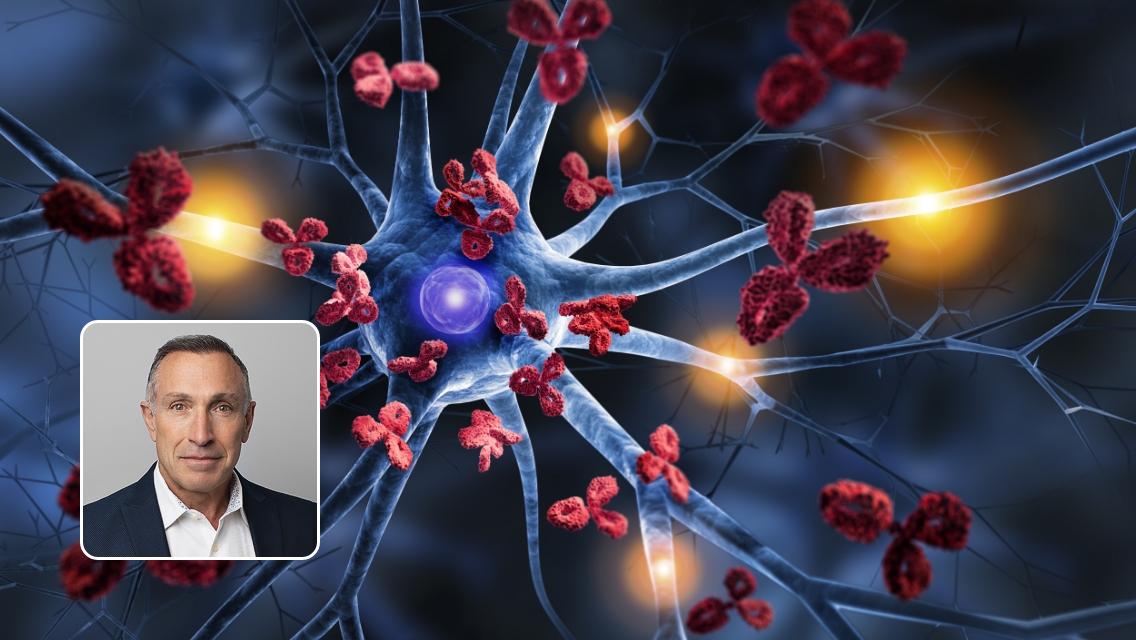


If it feels like you’re hearing about autoimmune diseases more than ever, you’re not imagining it — they’re on the rise, and in this episode, Jim LaValle, RPh, CCN, is unpacking why.
Lavalle shares what happens when the immune system gets confused and starts attacking healthy tissues in the body. He speaks to the main drivers behind autoimmune disease, including why these conditions disproportionately affect women. And he discusses common autoimmune conditions, potential triggers, and practical lifestyle strategies that can make a difference in both prevention and addressing the root causes of autoimmunity.
This episode of Life Time Talks is part of our series on Performance and Longevity with MIORA.
Jim LaValle, RPh, CCN, is a clinical pharmacist, the cochair of the American Academy of Anti-Aging Medicine, the chair of the International Peptide Society, and the chief science officer for Life Time.
In this episode, LaValle defines autoimmune conditions and why they’re becoming increasingly common, along with potential triggers and practical strategies for addressing autoimmune disease. His insights include the following:
- The immune system is designed to identify and remove foreign threats. Autoimmunity occurs when the immune system attacks the body’s own tissues, including organs, glands, joints, skin, or specific cells. In autoimmune disease, the immune system loses some ability to distinguish “self” from “non-self.”
- Autoimmune activity can happen gradually rather than appearing suddenly. Symptoms may present before a person meets the criteria for a formal diagnosis, so it’s helpful to identify patterns early.
- Autoimmunity can be the result of multiple contributing factors, including genetic predisposition, environmental exposure, viral infections as triggers, or chronic stress.
- Stress is a major factor in the rise of autoimmunity. Stress is a physical process that activates the sympathetic nervous system, which controls the fight-or-flight response. Sympathetic dominance keeps the body in a state of constant alert and affects immune regulation, digestion and gut health, and cortisol production. Stress may worsen symptoms in people who already have autoimmune activity.
- Common autoimmune triggers include viral infections, certain drug therapies, food sensitivities, increased gut permeability, or multiple factors accumulating over time in a body that’s genetically susceptible.
- It can take years to receive a formal diagnosis, as symptoms can be vague, variable, or spread across different body systems. This delay can allow inflammation and immune dysfunction to continue.
- Women experience autoimmune conditions at higher rates than men, possibly due to biological differences between male and female immune responses; more sex-specific medical research is needed. It’s common for women’s symptoms to be dismissed or misattributed, which can delay diagnosis.
- Autoimmunity in teenagers is on the rise, as kids are being exposed to environmental stressors during important developmental periods involving hormone changes and stress. Early signs in teens may be subtle and difficult to connect to autoimmunity; family history may make early monitoring especially relevant.
- Addressing gut health is key to supporting someone with autoimmunity and requires a multi-step approach. You need to identify what be damaging the gut, support beneficial bacteria, and address harmful bacteria. Certain supplements and botanicals can support better microbiome balance.
- A few of the common autoimmune conditions discussed include:
- Rheumatoid arthritis: A condition in which the immune system attacks structures in the joints and causes inflammation.
- Psoriasis: A skin condition in which immune signaling causes excessive skin-cell production, making the skin inflamed, thickened, or irritated.
- Hashimoto’s disease: An autoimmune thyroid condition in which the immune system targets thyroid tissue.
- Graves’ disease: An autoimmune thyroid condition in which immune activity can overstimulate the thyroid.
Transcript: Why Autoimmune Disease Is on the Rise (Performance & Longevity Series)
Jamie Martin
We’re back with another episode of Life Time Talks. I’m Jamie Martin with my friend Jim LaValle here. How are you, Jim?
Jim LaValle
Great.
Jamie Martin
All right, we’re into another episode with our series on performance and longevity with MIORA. We have covered a lot of topics this season, but this one that we’re getting into today is maybe more of an overview about autoimmunity. What is it? We’re hearing more about it.
We have to get into this topic because you shared some pretty interesting statistics as we were prepping for this episode about the prevalence of autoimmune conditions and what you’ve been seeing as a practitioner. So let’s just start there. Why are we seeing such a rise in autoimmunity?
Jim LaValle
Yeah, I think the first thing is, what is it? It’s simple: Your body’s immune system is now starting to attack organs and tissues. There are different types of autoimmunity, and we’re going to get into that. Why is there a rise in it? Well, there are a few factors.
One is environmental burden. We know that environmental burden plays a role. There is a genetic predisposition for sure, particularly with the HLA gene SNPs, which we measure quite a bit on people.
And then gut permeability sits at the middle of this. When you look at the research across all of the different autoimmune disorders, there’s this aspect of gut-immune interaction that relates to the condition. A lot of that work was done by Dr. Alessio Fasano, and a lot of it was published with Harvard. I think he was really the first researcher to talk about it.
Clinically, I remember us working on gut health with people that had diagnosed autoimmunity back in the late eighties. We knew it was there, but the science wasn’t proving it out yet. Even on that side, there may have been only a couple of studies a month published on the gut back in the nineties.
Now, all of a sudden, there are hundreds of studies being published each month relating the gut to the immune system, and therefore how immune balance, when it gets out of balance, leads to an autoimmune situation.
Jamie Martin
Right. And really, I think it’s one thing that is so hard to comprehend: Why would the body turn on itself? That’s essentially what’s happening. It’s not able to turn its response off, so it goes internal. That’s the bigger question for everybody, especially for someone who says, “I had no idea I was even at risk for this or that this was going to happen.”
Jim LaValle
It can be a family history that’s involved. Obviously, you could get a vector. Think about Epstein-Barr virus and autoimmune thyroid, which are clearly correlated.
And don’t forget about stress. The interesting thing about stress is we always think of it as something almost external and ethereal, but stress has physiologic effects that really compound the immune system, getting it out of kilter and starting to create chronic inflammation signaling that leads to autoimmune issues.
Jamie Martin
Talk a little bit about the idea of the hygiene hypothesis and its connection with autoimmune.
Jim LaValle
You’re going to the cool stuff.
Jamie Martin
I remember being at a conference probably pre-2020, and they were talking about the hygiene hypothesis. It felt like that was when we were starting to hear more about it. That was an eye-opening thing for me, but now we’re almost a decade later from when I was there, and I think we still need to be talking more about it.
Jim LaValle
We used to get exposed to a lot of stuff. As children, we were out in the dirt. Then all of a sudden, we got this idea that cleanliness is next to godliness. Now we have all of these hygienic gels to keep us sterile before we open a door or do anything. It turns out that maybe that wasn’t a good idea.
With all the hygiene of modern living, and I would say the over-hygienation, too much cleanliness meant that our immune system isn’t working to develop tolerance to the things that we would get exposed to in the environment. The immune system needs that exposure to create tolerance.
Instead, our immune system is sitting there loaded, thinking, “I’m supposed to be working on something.” When it’s not working on that external world, it cues into your body, and your immune system is revved up and ready to go.
They have shown this in the data: People that live in rural communities or on farms have a significantly lower incidence of autoimmune disorders. That is where this all started; maybe playing in the dirt wasn’t such a bad idea.
I still believe that we should eat food that’s good; let’s not worry about eating spoiled food as a way to inoculate ourselves. But the point is we’ve lost a lot of that natural immunity that we developed, and therefore our immune system now is primed to overtake certain situations instead of acting in immunomodulation, which keeps us in balance.
Jamie Martin
And that’s the key piece of that, the balance piece of it here.
Jim LaValle
Exactly.
Jamie Martin
Let’s talk about who autoimmune diseases are affecting, because pretty disproportionately, it seems to be affecting women more than men. There are also some numbers around teenagers that you mentioned as well.
Jim LaValle
Basically, 80% of autoimmune disorders affect women, and 20% affect men. I just found this statistic when I was searching for information for today: Since 1988 to 2012, there was a 300% increase in teenage autoimmunity. That’s an incredible number.
Because teenagers are getting more adult disorders, they have to live with this imbalance earlier and earlier in their life stages. This puts them in the funnel of chronic metabolic disruption, which leads to other comorbidities and issues as they age.
I always look at that and think, wow. You look at the incidence of diabetes in teens now versus where it was in 1990, and autoimmunity is the same thing. These are all important aspects showing it isn’t something you wait for until you’re an adult, although typically ages 30 to 60 is where it really starts to pop up.
Jamie Martin
Super interesting about teenagers, knowing that this is starting to occur earlier. Why so many more women than men? Why is this happening?
Jim LaValle
I think there are a few reasons. The big reason that has emerged is that women have two X chromosomes (XX) versus men (XY). There is something called the XIST RNA that covers the second X chromosome.
Having that presence, that RNA tends to create complexes with proteins that your immune system starts to attack, making women more prone to that hyperimmune response. It is really due to that XIST RNA attachment on a woman’s second X chromosome.
Fascinating to me is that they didn’t really realize that for the longest time because when they were doing research on autoimmunity, they were using male chromosome sets and testing against male immune cells. They never picked up that this is unique to women.
This gets into the whole concept of gender-specific medicine and understanding there are innate differences down to our chromosomes that are shaping where our future health is going.
Jamie Martin
Well, and this is so interesting because you hear about this not just when it comes to researching autoimmunity. A lot of research has been done primarily on men. You’re seeing this in how women strength train, different reactions. This is not just happening in the health space, it’s happening in fitness research and nutrition. We really do have to be thinking a little bit more gender-specifically because of how we’re made.
Jim LaValle
Absolutely. Fasted versus nonfasted training, all of that makes a huge difference.
Marianne Legato (I was on a board with her years ago, and she was with the Institute for Gender-Specific Medicine and really one of the big forerunners) identified another reason why autoimmunity affects women more. Her research was around how women have more of a fight-or-flight response, meaning the activation of the central nervous system creates sympathetic dominance.
Sympathetic dominance means your body interprets stress in the brain. Your hypothalamic-pituitary-adrenal (HPA) axis signals stress, excites your spinal cord, and triggers what are called the enterochromaffin cells of your enteric nervous system.
That does a couple of things: First, it makes the intestinal lining more permeable; second, it activates mast cells. When you activate mast cells, you create more of an acquired immune response, more inflammation, and more antigen-antibody activity.
For example, in the thyroid, there is more of an attack on thyroid tissue. That fight-or-flight response, which is more prone to women, makes sense of why these shifts are occurring more in women than men.
Jamie Martin
Right. That’s interesting, thinking about what physiologically cascades from sympathetic dominance. What are the triggers for autoimmunity? In some cases, it feels like someone was fine one day and not the next, or they have been dealing with symptoms for years. There’s a statistic that for some people, it can take seven to 14 years to diagnose an autoimmune condition. What are things that might trigger it in people?
Jim LaValle
I think that’s great you brought that up because what I’ve heard a lot from folks is, “You kind of look like you’re autoimmune, but you’re not quite there yet.” You may see a positive antinuclear antibody (ANA) test, but the rest of your labs look pretty good. This is a brewing issue.
What are the triggers? One trigger could be a virus. You could get a vector, and that can trigger your immune system. That can lead to pathogen-associated molecular patterns (PAMPs), where the pathogen leaves a signature that your immune system reacts to.
Another is oral contraceptives in women. It turns out that oral contraceptive use can create a higher risk for lupus and Crohn’s disease. Certain drug therapies can lead to that, and oral contraceptives are very well characterized in the literature.
Then you get to environmental burden, like toxic metals or pesticides. Pesticides have been implicated in autoimmune thyroid, creating more thyroid follicles.
Then we get to stress. The effect of the flattening of the cortisol curve affects your immune system at a global level.
And finally, gut terrain. Gut terrain and the immune system are at the middle of all autoimmune disorders. If you are diagnosed with autoimmune thyroid, every couple of years you are supposed to be screened for celiac disease and type 1 diabetes.
You see how that thread runs between them; you can have more than one autoimmune disorder, and that’s actually fairly common. The ground state of that is a permeable gut.
Jamie Martin
Right. When you hear “permeable gut,” a lot of times we think of food allergies. But it is really about that gut lining and how tight it is, right?
Jim LaValle
It’s the tight junctions. Do we have tight junctions that are keeping that one-cell-layer-thick barrier intact?
If it gets permeable, meaning the tight junctions break, which can happen due to stress or dysbiosis (a disrupted microbiome), now you start sending more inflammatory signals that affect the integrity of your brush border. You have these little cilia sticking out from the cells, and those start to get damaged. Now things are getting through that shouldn’t because the gap spreads apart.
That can happen especially if you have a bad actor bacteria or a parasite. Once you have a bad bug in there, you start making more zonulin. Zonulin makes those tight junctions gap. When they gap, two big things happen.
First, bacteria that shouldn’t get through get through. That is called bacterial translocation. They get into your bloodstream, and your immune system becomes super reactive. It hits your antigen-presenting cells, which trigger and create different epitopes like IgE, IgG4, IgG, IgA, and C3d. Multiple different reactions can occur.
The second thing is that as the bacteria die off and you get dysbiosis, you release something called lipopolysaccharide (LPS). LPS gets through, and your liver and lymph are supposed to filter it out. If you type in “LPS” in a search engine, you will see thousands of research articles on this.
If lipopolysaccharide gets into the bloodstream and isn’t filtered out, it attaches to tissues and organs and triggers NF-kB, which is your master switch for triggering an excessive immune response. Basically, you have things that don’t belong in your bloodstream getting in, your immune system reacts, and now you are at risk for organ and tissue damage.
Jamie Martin
Right. Because the LPS attaches to tissues and organs, it triggers this big cascade of immune reactions.
Jim LaValle
Exactly. Now you’ve created an imbalance in Th1 and Th2, the two sides of your immune system, which act like a seesaw. They are supposed to be in balance.
You’re making more inflammation and more antigen-antibody reactions because the acquired immunity has overwhelmed the other half of your immune system. Eventually, that other half can also start to play a role in attacking your tissues.
Jamie Martin
You just said “acquired.” We also mentioned “innate,” and I think it’s important for us to make sure people are clear about the differences between those two.
Jim LaValle
Natural killer cells and T killer cells are part of your innate immunity. You get a virus, and your body says, “That doesn’t belong there, let’s go attack it.” That is our natural immunity.
Acquired immunity is when your immune system says, “You don’t belong here, I’m going to make something specific to attack you.” That’s the acquired side.
The problem is when you create chronic inflammation and acquired immunity, it goes back and tells the brain we’re under duress. The brain sends that signal through the nervous system again, and now we have a permeable gut and circulating cytokines that are inflammatory.
Post-COVID, everybody understands what a cytokine is. We want the pro-inflammatory cytokines and the anti-inflammatory cytokines to be in balance. You want to be able to release a pro-inflammatory cytokine, you just don’t want to release them all the time.
Jamie Martin
Right. Where do vaccines fit into this? Essentially, they are trying to build acquired immunity, right?
Jim LaValle
Exactly. It’s trying to teach your body that if it sees this thing, it needs to respond, but not too aggressively.
Everybody is a little different. You have some people that never get a cold or flu, and others who get them all the time. Sometimes, if you never get a cold or flu but you’re run down and fatigued, maybe your immune system is too busy attacking other things. It’s about understanding that balance, and people have different predispositions.
Even then, your gut plays a huge role in making gamma-delta T killer cells, which are the killer cells that go out and find things.
Jamie Martin
So if your gut is compromised and you introduce something meant to help you build acquired immunity, that could potentially have a negative effect.
Jim LaValle
Yeah, you could have a negative effect on it potentially, sure.
Jamie Martin
We heard a lot about some of the connections between viral infections like COVID-19 and immune issues. Can you talk a little bit about that?
Jim LaValle
We know there is an uptick in autoimmunity related to COVID; it has been published a bunch. There are also publications showing that multiple vaccinations for COVID increased the incidence of autoimmunity.
What happened in that instance is that one segment of your immune response called IgG4 rose significantly. IgG4 is really important because it blocks having an anaphylactic immune response (IgE). IgG4 goes up to say, “Hey, we don’t need to go into anaphylaxis, we don’t need to have our airway close.” We don’t want to have to do that, so IgG4 is there for a good reason.
But when it significantly rose post-vaccination, it turned out that very high and active IgG4 leads to increased autoimmune risk. That was the pathway for that. It also knocked down immune surveillance: the ability to surveil for pathogens.
The good news is you can get that back. I think a lot of people feel vaccine remorse. Let’s not think about what happened; let’s think about what you can do now.
Jamie Martin
Yeah, now it’s about the next step.
Jim LaValle
Exactly.
Jamie Martin
Let’s talk about some of the more common autoimmune diseases. We know there are more than 100 autoimmune diseases, which means they can get very nuanced and specific. A few we hear a lot about are rheumatoid arthritis, Hashimoto’s thyroiditis, Graves’ disease, psoriasis, type 1 diabetes, and inflammatory bowel issues. Walk us through a few of these and what is making them so common.
Jim LaValle
There is a genetic predisposition for sure. You have these HLA gene SNPs, and if you are positive for them, you are much more prone to developing a future autoimmune disorder.
Where it starts to split off is based on your individual predisposition, what your exposures were, and lifestyle issues. Did you have a rich history of antibiotics? Are you on oral contraceptives, and therefore your gut microbiome is getting skewed? There is definitely a genetic predisposition.
I remember one study where they looked at the risk of a child with HLA gene SNPs. If they were taking in formula they were sensitive to, especially cow’s milk formula, they could have as much as a hundredfold increased risk of developing autoimmunity, specifically looking at type 1 diabetes. That doesn’t include other predispositions, like being on a lot of antibiotics from birth.
I remember seeing an immunoperoxidase stain on the lining of the intestine of people with diabetes. The immunoperoxidase stain made the areas where the immune system was on fire look bright red. You would see the normal gut lining, and then you would see the inflamed gut lining. One was like a forest fire, and the other was a campfire.
Based on genetic predisposition, stress, and other factors, you become very predisposed.
With rheumatoid arthritis (RA), we start to attack the synovial fluid around our joints, which creates inflammatory compounds. Those joints and tissues get inflamed and, left untreated, can get disfigured.
Traditional treatment uses things like methotrexate, which is basically a chemotherapy drug, to squelch the fire so symptoms go away. Now we’re using biologics like Enbrel or Skyrizi. They neutralize that part of your immune system that has gotten overactive.
With RA, you’ll see rheumatoid factor, and things like C3a and C4a (markers for the complement immune system) and other inflammatory markers go up. The gut microbiome and gut permeability are tied in research to that RA risk as well.
The skin is different. Psoriasis means your skin, because of that inflammatory signaling, doesn’t turn off the production of skin. You layer the skin, and you get these patches and lesions. In psoriasis literature, the gut microbiome is all over that now. You may have a genetic predisposition to move toward psoriasis, but what broke the camel’s back to express that tendency?
For autoimmune thyroid, the two biggest reasons for Hashimoto’s and Graves’ disease are Epstein-Barr virus (a vector creating an uncontrolled attack on your thyroid) and food antigen sensitivity.
When you have food sensitivities, you have a permeable gut, which means you have more lipopolysaccharide. The LPS attaches to the follicles of the thyroid and triggers an inflammatory response. That’s the mechanism.
For Graves’ disease, it hits the follicles and tells the body to produce way more T3 in the periphery. This is strongly related to the gut, but there is also evidence of environmental burdens like pesticides.
With type 1 diabetes, it is definitely a vector and gut disruption. It is traditionally thought of as a very stressful event or an infection that caused a rapid mobilization of your immune system, which then starts attacking the beta cells of the islets of Langerhans.
Lipopolysaccharide attaches to those beta cells and triggers the inflammatory response that leads to that destruction, meaning you aren’t able to make insulin anymore because it is under fire.
If you have autoimmune thyroiditis, you’re supposed to be screened for type 1 diabetes and celiac disease, and vice versa, because there is a common ground between them all. The strongest evidence is that the gut-immune interaction is where the issue is.
I want to make another pitch: Listen to the nervous system as a vital sign. When you’re sympathetic dominant and your cortisol levels are high, you make a cytokine called interleukin-6 (IL-6) that gets released in the gut. IL-6 hits those intestinal cells and triggers the upregulation of something called claudin-2, and your tight junctions break apart.
You no longer have that gate. A tight junction is a gate that says, “Bacteria? No, you keep going, you’re getting excreted. Nutrient? We need you, gate’s open.”
Jamie Martin
Claudin-2 and zonulin will open the gate. We want it to go the other direction; we want to keep that gate closed more. What can we do? The good news is you said we can walk some of this back. What does that look like?
Jim LaValle
You may have an autoimmune disorder where you will always need to be on medication, but can you stop progression? Yes. Fixing the gut is number one.
Testing for food allergies and sensitivities is key. If I talked about this 10 years ago, people would say there’s no evidence. IgE (anaphylaxis) is a true allergy, like a bee sting or a peanut allergy. But now, a lot of literature is being published on these other components of the immune reaction.
That’s why you want to clean up the gut and look at food sensitivities using IgE, IgG, IgG4, C3d, and IgA in the gut mucosa. You want to look at those and avoid the foods you are intolerant to so you aren’t stoking the fire.
For a permeable gut, there are three components.
First, do I have bad bugs? A lot of that can be cleaned up with botanicals like cat’s claw, berberine, olive leaf extract, and grapefruit seed extract. If it gets bad enough, you may need medication like nitazoxanide (Alinia) or triple antibiotic therapy if it’s a severe SIBO event. But in general, you can use botanicals to kill the bad bugs and get the good bugs in.
Probiotics and prebiotics are important because they provide the fiber that probiotics need to feed on to make adequate butyrate. Butyrate and propionate are what repair the mucosal cells.
When the gut cell has been attacked, it becomes functionally deficient in glutamine. We give glutamine to puff up those cells again and create a tightening of that junction.
Next, how do I tighten those tight junctions? The most famous botanical for that is berberine. It knocks out bad bugs and helps downregulate zonulin.
There is also a peptide that has been through phase 3 trials called larazitide, which was looked at to reduce incidental gluten exposure for people with celiac disease. Larazitide turns down zonulin so you have less permeability.
When you are working on your gut, please do a gut check on your stress. Look at your cortisol, anxiety, heart rate variability, and resting heart rate. If you stay in sympathetic tone and keep pumping cortisol, you’re going to be swimming upstream on repairing your gut.
The last piece is the mucosal barrier. When you’re not producing appropriate amounts of bile, it erodes the mucosal barrier. Look at where your liver enzymes are. Are you bloated, belchy, or do fatty foods bother you? Your liver could be involved, meaning you might need milk thistle or artichoke extract.
Glutamine helps with that mucosal barrier. Twenty-five years ago, I used to have people make “better butter” using ghee, 25 grams of glutamine, and zinc carnosine (which helps build the mucosal barrier). They would stir it up, let it resolidify, and put it on cooked broccoli or other foods.
Other things that help the mucosal coating include marshmallow root, DGL (deglycyrrhizinated licorice), and aloe extract.
If you close the gaps, the tight junctions get good, the cells get integrous again, and you build back that mucosal barrier. Now you’re going to be less immunoreactive.
Jamie Martin
How common is it for someone diagnosed with an autoimmune condition to have their practitioner talk about gut health right away? Or are we more commonly saying, “No, you’re just going to go on this medication and treat the symptoms”? We’re talking about this from an integrative, proactive standpoint, but are we doing enough to get to the root, which is the gut?
Jim LaValle
I talk to a lot of gastroenterologists who come to A4M (American Academy of Anti-Aging Medicine) to get trained nowadays. It is becoming more apparent, but we have a long way to go.
In healthcare, ideas get accepted over time. Max Planck said that new scientific truth does not triumph by convincing its opponents, but rather because its opponents eventually die and a new generation grows up that is familiar with it. It takes time.
There is a huge movement now in understanding the value of nutrition, the gut, and microbiome testing. It is solidly in the integrative, functional, regenerative, and longevity space.
That’s how I got into this in 1981. I had skin rashes from the time I was a kid, lived on antibiotics, and had allergy shots. My gut had to be a mess.
I went to someone who practiced what we call today integrative care. He put me on a low-allergen, anti-inflammatory diet, gave me nutrients to knock out bad bugs and put in good bugs, and built the mucosal barrier. My life changed.
We connect the dots empirically, but it takes time to get the body of evidence. That’s why when I educate our MIORA practitioners on our monthly calls, I always list the peer-reviewed literature.
The gut is attached to everything: how your hormones are made and all aspects of your health.
Jamie Martin
If someone wants to understand if they have the HLA gene SNPs, how do they test for that?
Jim LaValle
You can get an HLA gene SNP test right out of Labcorp or Quest. Your doctor can just order an HLA gene test to see how many of those SNPs are turned on.
Jamie Martin
Are there any indicators in basic lab testing, like what we would do at MIORA, that might flag early-stage issues?
Jim LaValle
You have thyroid antibodies: thyroid peroxidase (TPO) and thyroglobulin antibodies.
In a CBC (complete blood count) with differential, you get really good information. Look at monocytes, eosinophils, and basophils. If you add up the percentages of monocytes, eosinophils, and basophils, and the total is over 10% or in the teens, your immune system is starting to get overactive.
More importantly, look at your absolute neutrophils and absolute lymphocytes. Your neutrophil-to-lymphocyte ratio (NLR) is key. If that ratio is at 3:1, you are more prone toward a brewing autoimmunity.
At our break today, I got called in on a case with a doctor. This individual was a super healthy, fit-looking young man, but he had thyroglobulin antibodies that were slightly positive, and his neutrophil-to-lymphocyte ratio was 4:1.
Once it gets over 2:1, you start thinking there’s an issue. At 3:1, there’s an increased risk of future autoimmunity. At 4:1, you’re on fire. Those were the only two things off on this young man, but catching him early in the cycle allows us to put him on a program to reverse those.
You can absolutely bring thyroid antibodies down. If you don’t work at neutralizing them, people with high thyroid antibodies are more prone to thyroid cancers.
Jamie Martin
Is that a common ratio that most practitioners talk about, or is it something you train people to look for?
Jim LaValle
I train people to talk about that. If you make your way to an immunologist, they probably are aware of it. It’s not common in general practice.
Neutrophils and lymphocytes show if your body is mounting a fight. The problem also occurs when it drops way down, meaning you’ve worn down your immune response and lost your immune defense, making you more prone to catching colds and flus.
Ideally, an absolute neutrophil-to-lymphocyte ratio of 1.5:1 to 2:1 means you’re in pretty good shape. Other markers include C-reactive protein (CRP) to show inflammation.
Jamie Martin
This has been great setting the stage for autoimmunity. Is there anything we missed that you want to leave people with as a takeaway?
Jim LaValle
Just like type 2 diabetes, liver disease, or kidney disease, we are not doomed or destined because of our gene SNPs. If you have a family history of autoimmunity, do regular lab tests, learn the right lifestyle for you, and be proactive.
With the 300% increase in teens, it’s never too early to start. Teach your child how to eat healthier food and take care of their gut. You have the control, but you have to work for it. There is no quick fix, but it is worth it.
Jamie Martin
If people want to learn more about MIORA and all we have to offer, visit miora.lifetime.life. There are tons of podcasts you can listen to on various issues at ExperienceLife.com. Thank you, Jim.
Jim LaValle
It’s always so much fun. I can’t wait until the next one.
Jamie Martin
We’ll see you soon.

More like this

Talks — S13, EP21 / Why the Nervous System Is a Vital Sign (Performance & Longevity Series)
We track metrics like heart rate, blood pressure, and respiration — but what if we saw the nervous system as one of the biggest indicators of our health status? The nervous system influences how we perform, recover, handle stress, and function, yet many of us are operating in chronic fight-or-flight mode without realizing it. This affects not only how we feel day to day, but also our long-term health and disease risk.



We’d Love to Hear From You
Have thoughts you’d like to share or topic ideas for future episodes? Email us at lttalks@lt.life.
The information in this podcast is intended to provide broad understanding and knowledge of healthcare topics. This information is for educational purposes only and should not be considered complete and should not be used in place of advice from your physician or healthcare provider. We recommend you consult your physician or healthcare professional before beginning or altering your personal exercise, diet or supplementation program.
Life Time provides administrative, non-clinical support to MIORA as well as services and amenities related to general wellness and fitness; Life Time does not provide medical advice, diagnosis, treatment or care.
Advertisement