

Movement and Motherhood
Learn how mothers can move beyond “bounce back” pressure, redefine fitness success, and care for their changing bodies with more patience, strength, and compassion.


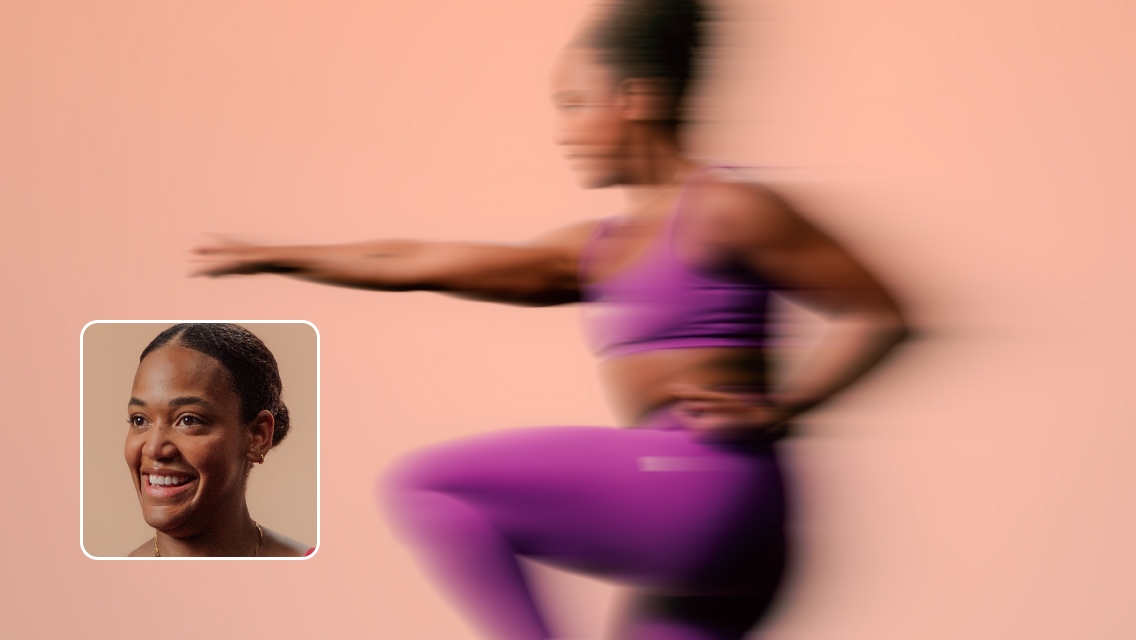
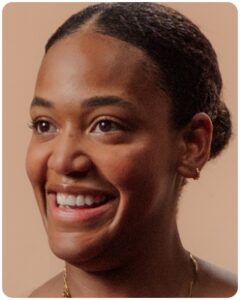
We often expect our bodies to “bounce back” after having a baby. This unrealistic pressure ignores the beautiful and challenging realities of pregnancy, postpartum, and motherhood. These seasons are ones to honor your body — and navigating the shifts that happen takes time, patience, and a different approach to physical and mental health.
In this episode, Ashley Thomas, a fitness instructor at Life Time and mother of three, talks about how we can view and care for our bodies after having children. She discusses how to redefine what fitness success realistically looks like during these life phases, and she shares practical, actionable guidance to help you feel empowered to reclaim your strength.
Ashley Thomas is a certified Pilates instructor and certified group fitness instructor. She teaches CTR (Core, Tone, Reform) at Life Time in Eden Prairie, Minn. She also leads a number of on-demand classes available in the Life Time app.
In this episode, Thomas discusses how your approach to and expectation of movement during the seasons of pregnancy, postpartum, and motherhood can shift to best support your body and mind. Her insights include the following:
- Motherhood changes your body in ways that require a new approach to fitness. Pregnancy, postpartum, and the demands of parenting all shift what the body needs physically and mentally.
- “Bounce back” culture misses the point. Postpartum success is not measured by appearance, weight loss, or returning to a pre-baby body. It’s advised to prioritize function over aesthetics. Core strength, pelvic floor health, stability, and feeling strong in everyday life matter more than chasing superficial targets.
- A body under stress needs safety before performance. The body has to feel safe — mentally and physically — to use energy well, recover effectively, and make progress.
- Rigid routines often don’t work in early parenthood. With babies and young kids, consistency may look less like a perfect schedule and more like flexibility, commitment, and making the most of short windows for movement.
- Small pockets of movement count. A 10-minute walk, a short core session, or brief spurts of movement can be more realistic and more sustainable than waiting for a full uninterrupted workout session.
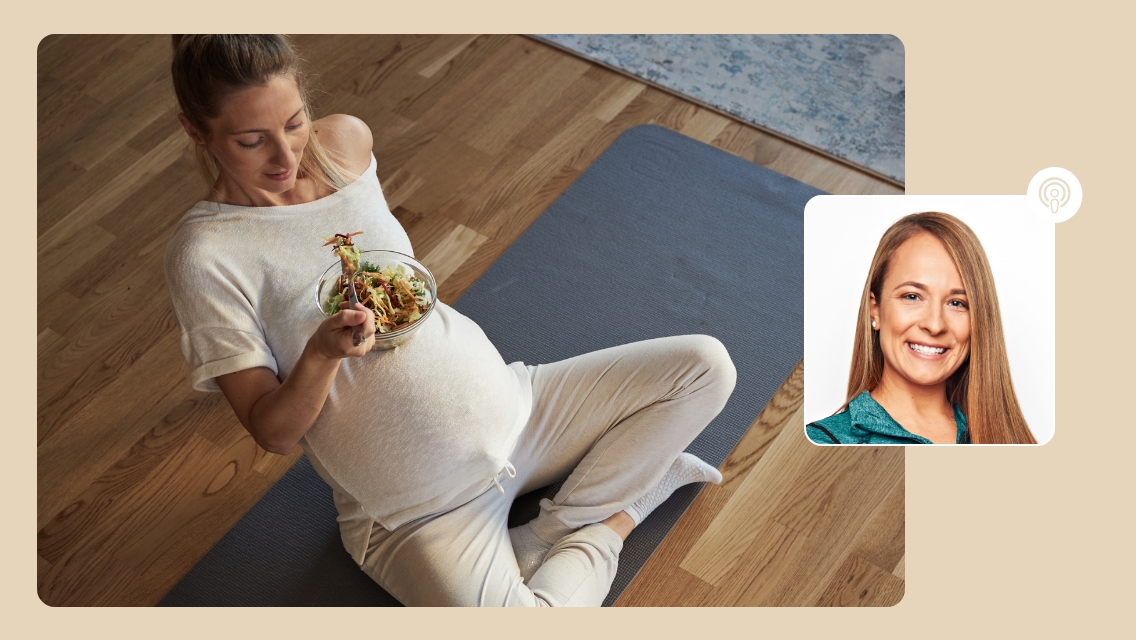
- Postpartum nutrition requires support, not restriction. Women who are nursing or pumping, in particular, need adequate calories and nutrients. Trying to diet aggressively during this phase can work against recovery and energy.
- The responsibilities of parenting can influence wellness decisions. Fitness, nutrition, and rest don’t happen in a vacuum; they’re shaped by family needs and partnership dynamics.
Transcript: Movement and Motherhood
Jamie Martin
Welcome to Life Time Talks. I’m Jamie Martin.
David Freeman
And I’m David Freeman.
Jamie Martin
And in this episode, we are talking about motherhood and movement. So often, after babies are born, we expect our bodies to instantly bounce back. This unrealistic pressure, excuse me, ignores the beautiful and challenging realities of pregnancy, postpartum, and motherhood. These seasons are ones to honor your body, and navigating the shifts that happen takes time, patience, and a different approach to physical health. So in this episode, we’re sitting down with a fitness instructor and mother of three to talk about how we can view and care for our bodies after having kids.
We’re going to discuss how to redefine what fitness success realistically looks like during these different life phases. And she will be sharing practical, actionable guidance to help you feel empowered to reclaim your strength.
David Freeman
Yeah, we got Miss Ashley Thomas in the building. She’s a certified Pilates instructor and group fitness instructor. She teaches CTR, which stands for Core Tone and Reform, at Life Time in Eden Prairie, Minnesota. She also leads a number of on-demand classes. I had the pleasure of working with her on some of those classes in the Life Time app, which is available to anyone, anywhere. Welcome, Ashley.
Ashley Thomas
Hi, you guys. Thanks for having me. We’re good.
Jamie Martin
So good to have you here. How’s your day going so far?
Ashley Thomas
It’s going really well. This is definitely the highlight.
Jamie Martin
Yay. Yeah. We take it. We will take it. Okay, so we’re gonna jump right in. Let’s say you welcomed three children between 2019 and 2022. Tell us what that timeline was like for your body and your relationship with movement. Yeah.
Ashley Thomas
I did. And I want to preface by saying I know that that’s crazy. The way that that sort of played out really has to start with knowing my body and when my husband and I decided to have our kids so close together. A part of that was also because I knew that my body was really sensitive to external input. So hormones for contraception just weren’t gonna be an option for us.
But that also obviously takes a lot of discipline and focus for how you plan your family. And so we just were kind of like, how it happens is how it happens. And that’s how it happened for us. I will say I had to be extremely intentional about my rest, my mental health, and my nutrition. And my husband was a big part of supporting me through that. So I’m really eager to talk about the fine-tuned logistics because it’s not what people think.
David Freeman
So I mean you mentioned your health and as far as your rest, recovery, and all those different things. When it came to movement, yeah, within those years, knowing what you were capable of prior to and now having a different variable present itself, how did you encourage your body to continue to move, or was that not an option at that time?
Ashley Thomas
You know, that’s such a good question because what I like to highlight when I talk about how movement came back into my life post kids always gets framed by what it was before. And so I was a division one competitive cheerleader. Before that I was a gymnast, I ran track. My husband is also, he was a division one athlete. So athletics always played a role in how we dieted and how we exercised.
And the moment I had my first kid, the first thing that impacted my decision to move, good or bad, was how I looked. And that superficial metric didn’t last very long because I was pregnant again within four months of having him. So I think I had this idea that I was on track to look a certain way by a certain time. And then when that was gone, the motivation had to be different. So now after the first pregnancy where I just wanted to be able to fit into a pair of jeans.
Being pregnant so close after, it was like, is my body even prepared for birth again? Is my body prepared to keep nursing this child? Am I eating enough to nurse the child I have and sustain the pregnancy that I’m growing? That doesn’t even take into account, am I experiencing brain fog? Am I sleeping well? Am I irritable throughout the day? Do I have energy for my relationship with my spouse? So like we haven’t even talked about movement in there, right? Right. Where does it fit in? Yeah. Where does that fit in?
And I’ll be honest, movement fit in last. So I needed to be sleeping more. I was exhausted. But in order to get quality sleep I had to have really good nutrition. So obviously taking my prenatal vitamin throughout, and we had a really good supplement that I chose to use. Again, credit to my husband. But early on in that postpartum phase with my first child, and obviously prenatal at the same time too, all I could do was walk consistently. It was also in the pandemic. I was gonna say. Yes.
Jamie Martin
Kind of like you’re right in that window.
Ashley Thomas
My son was December 2020. My daughter was born January of 2021. So I was pregnant throughout, I was pregnant throughout the early days of the pandemic, and I remember walking with a mask on my face outside. And so yeah, there were no gyms. I think we had just gotten an online subscription. I was not with Life Time yet. If I was, I’d be doing on demand. I’d
Jamie Martin
But that was
Ashley Thomas
be doing my workouts.
So I could walk. I could walk and I could do some pelvic floor work that I saw on YouTube. And that is what I did until we got cleared to start, like they told us we could go to parks again, you know, and not have to wipe the slides with the disinfectant, you know, like those early days were mostly focused on my mental health. Yeah.
And I would say my philosophy now and whatever I recommend a mom, the first thing I’m gonna say is like, how are you doing up here? It’s gonna flow through here. Your body needs to feel safe in order to efficiently use the energy you’re putting into it and that it’s creating. If that’s not there, you’re just storing more than you think you are. I hope I answered that question.
David Freeman
Did.
I mean and I’m gonna go back to the walks. Yeah. During those walks, what did you find out about yourself? ‘Cause I know during that time it’s time to reflect,
Ashley Thomas
My gosh. Yeah it was.
David Freeman
quiet time. Like so what did you find out about yourself during that time?
Ashley Thomas
I mean, the world was on fire, right? Like nobody was parenting normally. And so I had a newborn and I was obviously pregnant. So I remember, to go, yeah, to go back to athletics. Thank you, that helped me. Redefining what I valued about myself. I think I knew, I thought I knew coming into parenting. But when your body is not what you want it to be, when it’s not moving the way you want it to be. In my case, healing from a prior pregnancy and then being pregnant, everything like ached. I remember walking and I could feel my hips shifting with every section of pregnancy.
Jamie Martin
Pad it.
Ashley Thomas
Yeah. And postpartum still there. You still have that relaxing pregnant or present in your body. And I can just remember feeling like it didn’t used to feel like this. So how normally I’d be running. Like I would walk and I would start running. But like the thought of running, like it made me nauseous. Like I could not, I could just feel my skeleton moving around. And it was so scary. And I can remember talking to my husband and just saying like, I don’t want, I just don’t want to be scared of my body. But right now it feels so alien.
And so when I think about that, and this is as somebody that, like I had never questioned what my body was capable of doing. Like before I had my son, I was still doing backflips in the grass. Like there was no limitation to what I thought I could do. And that was the first time I really became aware of my limitations. And so I just wanted to have regular movement, but I wanted to feel ready for it. And I think that that’s a reality that a lot of moms experience, especially newly postpartum moms.
And my encouragement is to not discount that. It’s a part of the process and it will lead you to movement that is not only reconstructive in a positive way, but therapeutic for you. I think we can miss that sometimes when the focus is on aesthetics. There really has to be a deeper nurturing transition to movement once you become specifically a birthing person, but I think as a caregiver as well. Yeah.
Jamie Martin
Absolutely. Knowing what you knew about anatomy, physiology, and movement from your, you know, being a fitness professional, how did your professional training shape your personal fitness journey, like from pregnancy through those postpartum days?
Ashley Thomas
Yeah. So as a fitness professional, I came into that after I had my third child. So I’ve been working in fitness for about four years now. And that began after, like I said, my third pregnancy. Prior to that, my relationship with movement and fitness was always really high performance. So extremes of flexibility, extremes of power and aerodynamics because I was in a jumping and tumbling. Yeah, sport. That’s what you do. That is what you do. There’s not a lot of lifestyle patterning in that. If
Jamie Martin
Functional movement, right? Yeah.
Ashley Thomas
I don’t need to do two back hand springs to a back check. I need to do that anymore. It’s very fun to, I can do it, but I don’t need to do that. And so I could remember the gap in knowledge and my personality type is, if I don’t know it, I want to know it. So early on, it was this is what I’m used to, but this is not what my body can do anymore. So, or at least for the time being. Right. So my relationship with fitness education and anatomy came from that gap, that big gap of what was and what now is. And so I started following along with a lot of prenatal bar fitness, a lot of prenatal Pilates.
And that helped me understand the foundation of a truly strong powerhouse, which then obviously opened me up to where I am now with Pilates. And I think in those early days, the transition was mostly mindset. I still didn’t really see the work in my body yet.
When I started working in fitness and I would program my classes, I would program from that place. Your core comes first, always. And so even when I was just teaching bar, I remember one of the first classes I taught. So my daughter Audrey was, I think she was like eight months old. And I’d come in the room, brand new instructor with Life Time. I’d been teaching at another boutique prior, but brand new with Life Time. And I walk into the room and I just was like, raise your hand if you’re a birthing person. And I think all but maybe two people raised their hand, and it’s because they were like in high school. Okay.
And there were women in their 70s, there were women in their 40s, like, and I just wanted to know. Like, and then I asked, you know, who’s newly? I think I had three within six months of birth, three moms in the room. And I said, me too. Like my daughter’s eight months old. There was a whole thing and the space like changed instantly. And I said, whether you’re a birthing person, whether you are not, whether you’re a female or a male, you have an anatomy that we will take into consideration in this room. Bar fitness is accessible for everybody, but the positions that we put our body in, they do have functions. So when you think about the turnout in this room, I don’t need to see your dancer’s turnout. I need to see that your hips are strong enough to hold that rotation and that’s gonna require your glutes and that’s gonna sustain the position of your spine, like anatomy. Yes.
I just couldn’t help but regurgitate it. And I could see people light up when they felt integrated into the education of why we move. And that was my thing too. Yeah. So that just became my brand. And I took that into everything that I did. And that’s because that’s how I trained. And then it just evolved. And you know, you share that with people around you, and I would share that, my husband and, before I know it, you know, yeah, I’m not sprinting down the street for two miles thinking that’s what my body needs. I’m thinking like, how do I move as best as I can? And now let’s layer on resistance, let’s layer on intensity, let’s layer on endurance, but the core of understanding the body and how it moves. Back on.
David Freeman
Yeah, the art. I mean I call that the art of human connection awareness. Yeah. To be able to say, hey, to kick off a class, which we normally will say, hey, my name is David, and today you’re gonna be taken.
Ashley Thomas
I did do a five star intro.
David Freeman
Do that as well. But I’m saying in general that that part is people probably just tune out. Yeah. But then when they hear something that they can connect to, it’s just, that’s art.
And I think sometimes, or I know sometimes we just go through the motions as far as coaches. They’ve shown up. So let’s go ahead and give them a great workout. But grounding them with that message as far as like, you’ve been through this, I have as well. And still making it inclusive to your point of this is anatomy. So even if you’re a male in this class, you’re involved within what we’re about to experience as well. So I love the awareness and the connection that you brought to it.
Ashley Thomas
And it’s where I was, you know. Like when I had come in, it had, where just where I was in my journey, that was where my mind and my body was. And I think as instructors, trainers, when we can share those parts of ourselves, like we are human too, and there are focuses on our bodies at any given time. I think it, yeah, it’s hopefully not a detractor, but it’s an invitation to not only see yourself better, right? ‘Cause if you’re not a birthing person, you know, you might think this has nothing to do with me, but you probably know somebody. Yeah. Right. You know, and, or just to be able to have that clearance and that association, it helps us all.
Jamie Martin
It’s relatability.
David Freeman
Yeah. That piece. Yeah. And going back to the fact that you were able to have the grounding message. And I always think in my head of, if we can get them connected to the why of what it is that they’re doing from this movement, it’s gonna land so much deeper for them to take it beyond.
Ashley Thomas
Beyond, take it out of the studio, take it off the map.
David Freeman
So I know that’s appreciation to your art in that space. When it comes to coming back to you, because it’s just this social norm, and I got air quotes for those listening, that the aesthetic piece always comes back and it’s because of what has been socially deemed as accepted. So as a mom and seeing so many different moms out there, the beautiful part that you said on the actual post is, my biggest flex is being a mom. Yeah. So unpack that and kinda tie it into what I was just talking about as far as what we’ve been socially deemed or socially conditioned to believe of what’s being accepted.
Ashley Thomas
Did post that on Instagram. I meant every word of it. Yeah, my biggest flex is being a mom because when I think about all the things that I do or have done, I do it as somebody that has to live putting themselves second. So all of the time that it takes to be disciplined in how you feel your body, how you rest, how you spend your time in your home and outside of your home. My husband and I are both big community people.
We’re in small groups, we’re in women’s groups, we’re in Bible studies, we go to church, we serve our community, we have friends. I teach group fitness. My husband is an entrepreneur and we have three children under the age of seven. The capacity for that, I believe, comes from one source. But when I see it in practice, I think like, to be a mom is always to be so much more than just a mom. Like you just are. You have to wear so many hats.
And I think it’s just a flex, you know. There’s nothing that I do that doesn’t come with an affirmative yes. If I’m doing it, it’s because it worked with all the things I had going on. You don’t take things off the table. You have to rearrange them. Some things someone has to hold with you, but you know, the kingdom that I’m responsible for, right? The prioritization of that is always number one.
The additional things that are still, you know, praiseworthy. They’re such high accolades, they still, it still wasn’t my only focus. And I just think when our successes come from an abundance of yeses, they’re so much more well rounded, and I’m proud of them because of what my number one priority and focus is. But it’s not, again, it’s not all that I am or do.
And I said it in, I got to do a feature for Black History Month with Life Time and we were talking about just what I want, like, moms to take away was one little side bit. And I said, like, your people need to see you winning at something other than them. Like it makes you so much more real and livable and just like that, that well ride of that balanced, like you might be standing on one leg, but are you balanced? You know, you can stand on one leg and be centered. To exist in other places and give in other places and to do it well is the ultimate testimony to, I think, how you show up as a parent for them and for you. Yeah.
Jamie Martin
Absolutely. As you’re thinking about those yeses and no’s, like, how do you go through them and decide? The asks, all of the requests that come in, the demands on your time. How have you made those decisions? Or what’s your strategy, your part, you and your partners together potentially, for deciding what, where the yeses go and where there are no’s?
Ashley Thomas
Yeah, you know, and then this will totally tie back into even how we prioritize our physical disciplines, which we would say are rest, nutrition, and exercise. We have undeniable responsibilities and needs. The first question is, are our needs met? So if we’re in a season, and every family goes through this, whether you’re a single parent or you have two partners in the home, when it’s a season of busyness, there are fewer things you can say yes to. That’s just the reality. And that’s because we’re making sure our most basic needs are met at all times. There are times where those needs are met in fractions, but nobody goes without.
And so when I think of this stage of my life with my young kids at home, most of the things we do are things we can integrate together. So if it’s something I absolutely can’t do with my kids present, then I’ll, you know, I hire a nanny for the day or something, or my husband will move a meeting around. But we’re not sort of removing ourselves from the present needs of our kids and ourselves. When I think about what I have time for in a day, I look at the gray space I need around it to be successful in the other things I have going on. And that’s just how I’ve been able to manage, I think, the mental stress of having so many different pots.
Jamie Martin
It’s the mental.
Ashley Thomas
It’s the mental load. Yeah. But I think the mental load, you know, for everyone it’s different. But for me, almost curtailing the burden of the mental load as something negative and changing it into something positive has been really honoring that, like, it’s a lot, but I can do it.
I can’t do it all the time by myself, but what is mine to carry? Like I have what I need to do that. It does require discipline and a commitment. But that’s not new. You know, we all do that in different ways. Maybe it means I can’t go to brunch with my girlfriends this Saturday, right? But maybe next Saturday, not even maybe next Saturday, you know. I’m gonna put that in. I’m gonna work that in the schedule.
But I think that’s also, it’s time based, you know. When I was earlier on, even in my mothering, I think my social space, and again my commitment to myself, it was just smaller. And I know we’re gonna talk about that in a little bit, but having those realistic pictures of what you can do is going to help you stay connected outside of just the home. Absolutely.
Jamie Martin
Yeah.
David Freeman
When I’m listening and I’m digesting a lot of it, and we’re looking at the topic as far as motherhood. I can’t help but think as far as your mom. And I think of modeled behavior and obviously we all go into our own journey and parent the way we end up parenting, but it would be beyond me if I don’t ask the question as far as what modeled behavior did your mother provide for you to kinda
Ashley Thomas
You are not supposed to make people cry.
Jamie Martin
Gosh.
Ashley Thomas
I’m gonna give the answer that’s gonna kinda set up the table. Yeah, I have to. I’m sorry. I have a unique just family story. There’s a lot of trauma with both my parents and so I grew up with parents that were like, I’m giving you more than I ever had. Like I know that they did that. And I think that very basis, like from the start, you give more than you were given. And you’ll hear different people say different things. Like, I never had that, so I didn’t. My parents were like, I didn’t have that. So I dreamed it up and I gave it to you. Like, but both my parents did that.
So when I think of myself as a parent too, you know, my mom’s journey. My mom was adopted. She didn’t know her medical history. And so I remember earlier on, as I was kind of coming up. Her weight shifted a lot, but she never stopped like searching for that balance today. My gosh, I’m so proud of her. My mom, medication free, no worries if you need medications, totally fine. My mom has lost a hundred pounds in the last year. Diet and exercise, completely committed. And she would say to me, like, it took me some time to get here, but I’m here. Love this. And not from the arrival point of just aesthetics, but she’ll say, I finally feel good in my body. I wake up and I’m not as exhausted. Yeah. I eat and I feel full. Like she has these secondary sensations that make her feel successful. And I know that she learned that. I know she learned that even through parenting. Yeah. You know, like the first thing is not the only thing. If you don’t get that, go for something else. Like she just never stopped. And so that’s what I would say to that.
Jamie Martin
She’s gonna love that. Tune in at this minute at this time. She’s gonna love that. One of the topics you talk a lot about is mental flexibility. So what does that look like in practice for someone who is trying to build or rebuild a routine?
Ashley Thomas
Love this question so much. One more digital plug. I have this 10-minute core video. And I remember talking to Jamie Zilstra, she was my producer at the time. And we were talking about segments and exercises to do. And I was like, I love these 45-minute workouts. I love these hour workouts. I love these 20-minute workouts. I don’t have that all the time. Right. I don’t have that all the time. I can do a 10-minute here. I can do a 15-minute here. I can maybe finish another 10 in two hours. But to block out time, my gosh, it took me probably two years to get it through my head that I was not going to have, un, like protected time with a newborn. Right. I could put down, they could wake up, I could feed them, they could
Jamie Martin
They can want more. You know there’s no such thing as routine when there’s a newborn. There is, or young kids.
Ashley Thomas
thing as routine, there is commitment though. So if I didn’t get it now, I’ll get it later. Yeah. And I think that that just, again, to speak to that abundance like mentality, just because it’s a no right now does not mean it’s a no forever. And will I do what’s in my power to do to see that yes happen at some point. That is mental flexibility. The rigidity comes with right now or never. This or nothing. All or nothing.
And I do think the transition to becoming a parent, especially if you’re a young parent, like my husband and I were, it’s my time, it’s my money, it’s my this, you know, like you don’t have the practice of being flexible. Parenting will throw you right into that. And I think especially for moms, especially for me, I nursed all of my kids, there was just a limit to how much I could do, but I wasn’t going to do nothing. I knew that.
So the five minute, the 10 minute, the okay, it’s just a walk here, but I’ll curl the baby. Yeah. You know, something. I’ll do something. That over that choice over two years, over three years is what then when the opportunity was there, when the window of time was there, I know exactly how I’m gonna use it. Yeah. You know? And that, I think I say it later, or I might have mentioned it, but finding activities that you like doing. Yeah. I started cycling. I would bike with my kids because they had little, I’d put in the burley and we’d ride and then I was like, what would this be like if they weren’t here? And I needed a different bike ’cause now I’m going down the street. And that had grown from like, this was something we could do together and it was fabulous. And now this is something I can do by myself. And then I did the MS 150, which is 150 miles on your bike. And that was like the epitome of this was just a hobby. I just threw my kids in the back to take to the park and I didn’t want to drive.
Jamie Martin
Yeah.
Ashley Thomas
Like, yeah. The trickle down.
Jamie Martin
Trickle down effect.
David Freeman
Well, I mean, the journey, obviously an amazing one and it continues to be one that you’re driving this course. I have to ask the question when it comes to opportunities, ’cause you’re light. Individuals obviously feel that light. They’re drawn to that light. When big opportunities come. Yeah. You said it earlier, like the power source, understanding where that power source is and the guidance through that power source as far as discernment, is that what you lean into to know whether or not to jump at the opportunity.
Ashley Thomas
Yeah, I lean into, does this align with my ethics and my values, period. Yeah. It’s not always clear, right? Some things are sort of, you know, some things are halfway there. But I think just to answer for myself, when I think about the embodied resources of discernment that I have naturally, my friends, my husband, myself, my kids, there’s safety and an abundance of counsel, you know. When I think about what I’m gonna give my time to, I always run it by my husband, just out of respect for the responsibilities that we share.
And I think that even hits back on the mental flexibility piece. I can remember early on when I used to be in marketing, I was a marketing strategist. When I left that to stay home after we had my third daughter, before I started working in fitness as a majority of my working time, I can remember feeling like, well, I’m stepping away from something that I love. Like that’s not fair. You know, and I would get really upset and feeling like, well, if I don’t, who? If I’m not the one sacrificing, who? And that measurement just was so unhelpful. It was so unhelpful. And it made me feel so bitter and mad and like I was losing something.
And when that shifted to, you know, what do I get in exchange? And not that it’s all about what you’re going to gain from something, but I did have to shift perspective to think, you know, this used to feel most fulfilling to me. What is fulfilling to me right now? And I think whenever we make decisions about how we spend my time, yeah, it’s like what works for our family, but is that fulfilling to me? What does that serve, not just long term, but right now? Is it okay to have a temporary superficial gain? Totally it is, you know, but that can’t be the bulk of my decision making, you know. And I think having an agreed upon set of values and perspectives with which you make decisions as a parent, as an active bodied person, those are examples that we set for our kids too. And they witness that and they sort of develop that neuroplasticity just by seeing, yeah, their caregivers do it. Yep.
Jamie Martin
You’re being a role model.
David Freeman
That, I mean, just where my head goes is, is usually the mother that ends up sacrificing. Absolutely. And where I’m going at is when opportunity presents itself that might be work related, like a huge opportunity in New York for you to do X, Y, and Z, or you get what I’m saying? So I hear what you said that stood out to me as obviously communication and connection of understanding the why and obviously, you know, leaning into your partner. But I see so many of these opportunities, you know, go by the wayside. So that’s where my head was at on that. Yeah.
Ashley Thomas
I would add then to that point, you know, you can’t be a mom and not sacrifice. I’m risking, that’s a bulky statement. I know what I’m saying. If anybody got anything out of this podcast, I would want it to be that sacrificing isn’t a death sentence. And giving your fullest yes means saying no to other things. What do you want to say yes to most of the time? I wanna say yes to my kids most of the time. That’s me.
When I think about my career endeavors and, to your point, yeah, like even opportunities with Life Time, roles within our company that I felt, you know, primed and just positioned for. That when, you know, you stack the bricks, you look at the cards, and I’m just like, not right now. Mm-hmm. Not right now. If I did, and this is where the discernment comes in, knowing myself, knowing my journey from the start, remembering like, how did I even get here again? Like, did I have to strive for that? Did I have to like, leave them high and dry for that? No, I didn’t. Why would I start doing that now? Yeah. It’ll come when it’s time. I believe that.
There is still a grief component to having that type of clarity though. It’s really not, it’s a clarity. When you see something for what it is, like there’s a grief, you know, it’s like, I see both sides of that coin. It’s never always positive. But any true leader will tell you that, you know, even the best choice is like, someone’s gotta lose a little bit here. Yeah. But even losing, we learn so much from our losses, right? Absolutely. The perspective as moms, we have the gift of perspective. We have the gift of requiring mental flexibility. It’s, and I think what we often, or rather what I have often found inspiration by is, I’m like, you know, you’ll never stop caregiving your kids for the rest of their lives and the rest of your life, you know, hopefully, Lord willing. But when it’s my time to put my toes on the
Jamie Martin
You know, and the gun goes off and it’s time to run. I’m, so you know, like you feel like, I can do this. I can do this. Like, yeah, you’ve lifted a car, you know, it, there’s so much reward.
Ashley Thomas
And I want moms to feel that in all the things. I am a fitness professional. So obviously when I engage with people, this is through the modality that I do it within. But that’s the same energy behind it. And you’ve done so many things harder than this. Yeah. Done it already. Yeah. Yep. You know?
Jamie Martin
And you can keep showing up for the next hard thing or the next thing that happens. Right. Yeah. I want to shift a little bit to, and this is gonna seem like out of left field, but talking about hormones. You talked about this at the beginning, and I do want to get into this because they play such a massive role for women in general, but then you add pregnancy, postpartum, there’s eventually perimenopause, menopause. One of the things you’ve said is like, you advise riding the wave. Yes. And being kind to yourself. So tell us what you mean by that and why. Yeah.
Ashley Thomas
So I love that we were able to put this in here and I just wanna reset the stage. I am not a lactation consultant, I am not a data scientist, I am not even a nutritionist, I’m not a hormone specialist. However, I have seen all of them for my own well being, and what I want to really emphasize is that the importance of information throughout your hormonal changes, it can’t be understated.
Pregnancy is such a personal experience and the effects it has on your body are also extremely individualized. Let’s just take example, being postpartum and nursing versus being postpartum and exclusively pumping versus being postpartum and feeding with formula. Each of those, even for the two milk making moms, require significantly different amounts of nutrition. Right. For a mom who is exclusively pumping, she is creating more milk than the mom who’s feeding on demand because the on demand feed could be shorter or longer. A consistent pumping session is between 15 and 30 minutes. So the caloric intake that you need to actually make the milk and then still go about your day. Yep.
Jamie Martin
Totally. Yeah. It varies.
Ashley Thomas
To factor in what we traditionally think of as a calorie deficit for weight loss in that time period, you are still going to be above, you know, 1,800 calories in a day, well above. That doesn’t even include you being physically active. That is just you making your milk and eating. So the hormones that come along with that as well, I mean, we, you mentioned perimenopause, there are nutrients and minerals that you need at different stages in the female life cycle that will factor into how you are able to see results in your body that go beyond the aesthetics like we were talking about.
For me and my journey, what was really essential was understanding how my body dealt with stress and how my blood sugar was regulating. I could see very early on in my postpartum fitness journey that I was exhausted, even though I was eating and hydrating. I was irritable, I was experiencing bloating, my skin was different, my hair was different. That’s no one’s fault. You could say it was my baby’s fault, and you know, I might agree. But what I mean to say is like, you’re dealing with compounded symptoms that show that what’s going on is more than just weight loss.
Jamie Martin
Absolutely. There’s a lot of factors at play here.
Ashley Thomas
Factors, and we do ourselves a disservice as moms, especially postpartum moms, but just moms with, I’ll say, children who are at home, to not be curious about those other factors. And my hope and encouragement is that women know the resources that they have to seek out. Does that depend on, you know, socioeconomic status, insurance, access to things? Absolutely.
But at the very least, especially if you’re postpartum, you need to see your primary care physician and have a real discussion about your labs, have a real discussion about your panels, have a real discussion about what your daily intake looks like and the stresses of your life, because that will give you information about how to just get through your day. I think we accept exhaustion as, well, this is what it means to just be me now. Yeah. And it’s a mask and it does a lot of us a real disservice. The best thing that you can be is well nourished, and that has to be a primary focus before anything to do with how you look. And how you feel is more than just how you feel in your clothes. It is, you know, it’s feeling rested, it’s feeling hydrated, it’s feeling your body has digested your food. You know, we know how it feels to just be full all the time. I’m irritable just thinking about it.
Jamie Martin
You know what I mean? Like you’re just like, get, so I think to . . .
Ashley Thomas
To feel those like deeply intrinsic sensations to know that your body is doing what it needs to do. I think that helps you ride the wave of the in-between time that you really can’t control, and that bounce back culture of like, well, I did this in this much time. Love that for you. I hope we can all do that. But when we can’t, you know, how are we going to sustain our perspective to, again, keep going until, yep. There’s so much to do with perseverance and discipline in the years where you’re not really seeing much. Yeah. What is the thing that keeps you going? Yeah.
David Freeman
Go back to your coaching. All right. I’ve had the blessing and privilege to be able to take one of your classes at CTR. Humbling experience. I always talk about it. With that, and I gave you real time feedback. I, you know, I texted to you just, you know, you’re within your zone, like the essence of your coaching comes through, the musicality, the human connection, and the message that is being delivered while moving.
And this is a stat out there and it might have evolved since the last time I looked, but the average individual has about 25 points of contact with humans throughout the day. So like, one person has about 25 people that they interact with. Obviously, we’re on a superhuman level if we’re coaches in this space, right? Yeah. But I just take that data point, and now you have, let’s say, 25 people in your class. The message that was delivered to me, I now know that I take beyond the class. So I want to go to your coaching style and what it is that seed that you’re planting. Obviously you shared your journey with us. Yeah. But what goes on in the prep of what it is that you’re trying to deliver from these classes through your experience?
Ashley Thomas
Goes on in the prep. I do think about what I want people to leave with. And I think about the experience being as consistent as possible. Obviously I come into the studio every week as a mom. I did something before I came in. I’ve got stuff to do when I leave. When I’m driving in, you know, I might want to be listening to my playlist, prep my mind for class. Instead we’re listening to My Little Pony. You know? Yeah. Because my girls come with me to the studio. Shout out Life Time Childcare.
What I think about is, I want people to feel like they’ve accomplished something significant. And so when I program, I don’t just think about exhausting a particular muscle. I think about how that’s going to feel in their body when they get off the reformer. Does it impact their posture? When they leave the studio, how are they walking? What can I encourage them to do following this specific session? Is that mindset? Is that nutrition? And so, you know, a lot of that even comes into like the music that we play, right? Like, is this uplifting? Is this like a gritty kind of vibe? But most definitely what goes into the prep is how will they feel when they leave?
And I want that to be, I want them to feel empowered, always stronger than when they came in. For me specifically, I even take that into consideration with how I move through the room, you know, like I’m not sulking in here, you’re not sulking in, I’m not bringing in the day before I got here. Yeah. You don’t have to bring, if you need to bring it, but you don’t have to. Yep. And when you leave, I always say, or when they come in I say, say hi to somebody you know and somebody you don’t. And then when they leave I just say, take care of yourself and give it to someone too, and I think they do.
Jamie Martin
They keep coming back, so that’s awesome.
David Freeman
And you’re filling up so many cups. Like, what fills up your cup?
Ashley Thomas
I think so many things fill my cup ’cause I just love life.
I mean, I love a good, I love a good meal. I love good company, I love good music. But what’s filling my cup right now, I think, is just really honest friendships. I have really good friends. I have a really good spouse. And when we’re talking, I just value transparency and honesty, no matter what it’s about. Yeah. You know. Did you like that meal I made? No, I thought it was a little dry. No, tell me.
Yes. Tell me, I wanna know. I’m really seeking that honesty out in a lot of places that I go. And I think it’s honestly come from a lot of my, I just went through a certification for Pilates, and in it it just takes so much self reflection. You know, I have to be honest about how my body’s moving and if it’s moving well or if I did that correctly. And so much of that is like, I’m not where I thought I was still. Not where you thought I was.
Just like time to reflect and be really honest about it is filling me up. Just thinking about it. Yeah.
Jamie Martin
Well, we’ve covered a lot of ground in different aspects of motherhood and parenting and collaborating. We’ve got it all. Is there anything, the, I was gonna say, is there anything you would like, a final thought or, you know, guidance you want to share with mothers?
Ashley Thomas
My final thought is, you know, use this time as a new parent, use this time to be curious. Be curious about yourself, how you’re doing. Don’t just accept the difficulty as, all, this is what it is. Really armor your mind and your perspective with like, a just like a winning mentality. And I don’t mean that in a superficial way. I mean like, this is being a mother specifically, but being a caregiver is a transformational process. You do not come out of it the way you came into it. It’s supposed to be that way. Let that be something that changes you for the better, no matter how long it takes.
We hear a lot of people reflect on parenting, especially birthing and mothering, with negativity. And I’m not knocking anybody, I think it shows where they’ve been, you know, and even for those people who are like, I used to be this before I had, or I used to like that, right? As if that was the best it’s ever gonna be.
I have a completely different body today than I had before I had my children. And I love this body for different reasons. And I prefer this body for different reasons. I am stronger than I ever was mentally and physically. And that is something that, it came over time. I’m living in it today. I want to keep living in it. You know, and I hope that this isn’t another source of information of, you know, you’re not doing enough, but that you’re just capable of so much more than you think you are.
Jamie Martin
Mm-hmm.
David Freeman
All right, we got a mic drop moment time, you ready? God. Yeah. Is that a yes?
Ashley Thomas
I’m always ready.
David Freeman
There it is. All right. So here we go. You had a walkout theme song, what would it be?
Ashley Thomas
Why? My gosh. They’re not gonna know it, well, I hope you guys know it.
Jamie Martin
We’ll add it to our playlist..
Ashley Thomas
My workout, my walkout song is Work by ASAP Ferg.
David Freeman
Really?
Jamie Martin
I’ll admit I don’t know it.
David Freeman
I know it.
Jamie Martin
I figured you probably would.
David Freeman
I just gotta know the why.
Ashley Thomas
Gucci into the socks.
It’s just so live.
David Freeman
So the energy it presents.
Ashley Thomas
Energy is so high. He says in the song, I have to close the window before I record because New York doesn’t know how to be quiet. Yeah.
Bar. Bar. It’s just like, I have, I’m working on something big.
Like that’s, I have something, I’m putting in the work. I have something big. It’s, if you hear about it, it’s gonna get ruined. Just shh, that’s me as a mom. You just shh shh shh, this is it, something is impressive. Work is impressive, do not peek through the window. No, that’s for later. That’s for later to share. Yeah. That’s why.
Jamie Martin
Well, Ashley, we are so glad to have you here. We want to make sure that our listeners can follow you. You’re at @ashley.on.springs on Instagram. Anywhere else they can find you, follow you?
Ashley Thomas
In the club. In the club. You can find me in the club. See me on demand or come see me in club.
Jamie Martin
I was gonna say, yeah. Be sure to download the complimentary Life Time app. Those classes are in there. You just find the on demand section. So all right.
Ashley Thomas
Appreciate you.
More like this
We’d Love to Hear From You
Have thoughts you’d like to share or topic ideas for future episodes? Email us at lttalks@lt.life.
The information in this podcast is intended to provide broad understanding and knowledge of healthcare topics. This information is for educational purposes only and should not be considered complete and should not be used in place of advice from your physician or healthcare provider. We recommend you consult your physician or healthcare professional before beginning or altering your personal exercise, diet or supplementation program.
Life Time provides administrative, non-clinical support to MIORA as well as services and amenities related to general wellness and fitness; Life Time does not provide medical advice, diagnosis, treatment or care.
Advertisement