


Amid busy schedules and full to-do lists, many of us are trying to make the most of our days without adding more to our plates. But when life gets hectic, we may notice our sleep quality taking a hit, our focus wavering, our energy declining, or our stress levels rising.
While it’s not always realistic for people to “stress less” or reduce the number of tasks in their daily lives, there are ways to support their bodies through these windows, including strategic supplementation. Specifically, supplementation that’s aimed at improving the body’s resilience to stress and lessening its impact on how they’re feeling and functioning.
Ashwagandha is one of the better-known options that’s gained attention in recent years for its potential to address chronically high cortisol and, over time, help return the body’s stress response to baseline.
Before adding it to your routine, though, it’s worth taking a closer look at this supplement, what the research shows, and whether it makes sense for you.
What is ashwagandha?
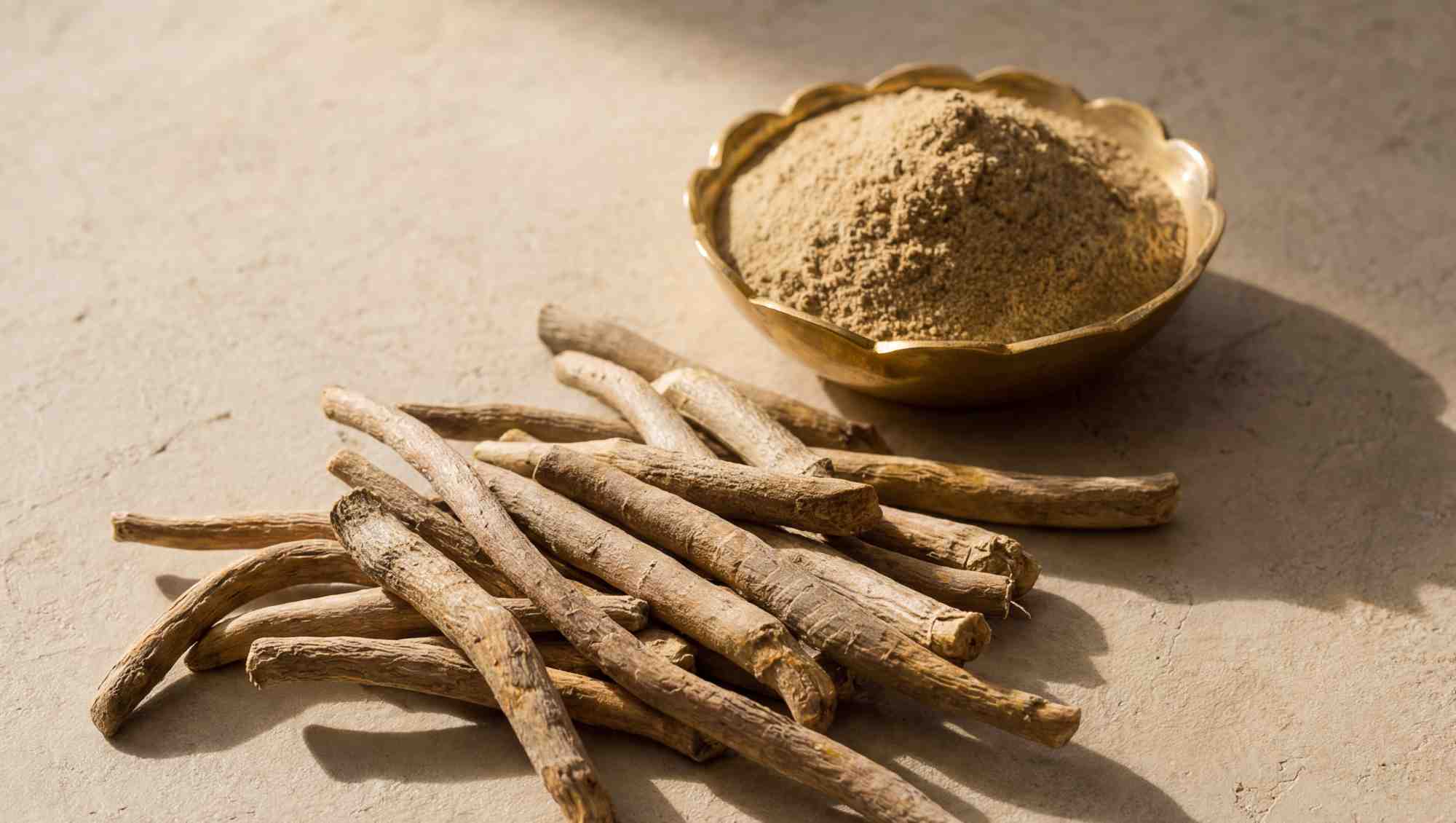
Ashwagandha, also known as Withania somnifera, is an adaptogenic herb that, when taken as a supplement, can help regulate the body’s responses to stress by managing high cortisol and building resilience. Adaptogens are a category of bioactive substances that help regulate the hypothalamic-pituitary-adrenal (HPA) axis in the brain, which is heavily involved in stress management; this is a system that releases cortisol into your blood in response to stress.
Common ashwagandha supplement methods include powders, pills, tablets, gummies, liquid extracts, and teas. Ashwagandha is often used by those experiencing chronic stress, anxiety, or sleep issues because it can have a calming effect when it’s used regularly.
What can ashwagandha help with?
More studies are beginning to explore ashwagandha supplementation and its potential benefits. By regulating cortisol and supporting GABA signaling (your brain’s mechanism for calming nerve activity), ashwagandha can help curb mental “overactivation,” promote relaxation, reduce symptoms of anxiety, and improve sleep quality.
While it’s not a replacement for foundational stress-management habits, supplementing with ashwagandha can be helpful for those looking to improve symptoms related to stress resilience, anxiety, and sleep.
Because cortisol helps regulate the immune and cardiovascular systems, modulating it with support from ashwagandha may also contribute to healthier inflammatory markers and even blood pressure.
How to Choose an Ashwagandha Supplement
Not all ashwagandha products are created equal. To ensure effectiveness, it’s important to choose an ashwagandha supplement that is third-party tested with a sufficient dose per serving.
Ashwagandha products are typically formulated using either just the root of the plant or both the root and the leaf. Products containing both root and leaf extracts are often more effective in smaller doses, as the leaf extract has a higher concentration of active compounds from the ashwagandha plant.
For a supplement containing ashwagandha root alone, a sufficient dose range falls between 300 mg and 600mg; that same effectiveness can be delivered in as low as 125 mg dose of an option with both the root and leaf. This is why it’s important to look at the milligram amount listed on the supplement facts panel of a product, as well as the ingredients list.
You’ll also want to look for a standardized extract, such as Sensoril® ashwagandha, rather than plain ashwagandha powder: A standardized extract guarantees a consistent, measurable amount of active compounds.
A Closer Look at Sensoril® Ashwagandha
Sensoril® ashwagandha is a patented, standardized ashwagandha root and leaf extract with clinical evidence of being more effective at reducing stress, improving sleep, and increasing stress resilience, as compared with other ashwagandha formulations.
While most generic ashwagandha powders provide unknown potencies and unpredictable dosages, Sensoril® ensures consistent dosing and is standardized to contain at least 10 percent of withanolides (ashwagandha’s medicinal compounds) for continued, effective outcomes.
Due to its increased potency, Sensoril® is the choice recommended by Life Time’s team of dietitians.
How to Supplement With Ashwagandha
If you’re new to taking ashwagandha, I recommend that generally healthy individuals start at the low end of dosing for ashwagandha root and leaf extract, which is around 125 mg to 250 mg. From there, they can build up their dosage as needed and based on their tolerance. Ashwagandha does not currently have an established maximum dosage like other vitamins and minerals.
Dosing largely depends on whether the ashwagandha supplement is sourced from a root or root and leaf, and whether its form. The most potent dosing comes from a root and leaf extract. Most studies with this specific ashwagandha formulation cap the dosage at 500 mg daily, so it’s generally recommended to stay at or below this threshold. (Always consult with your healthcare provider before you begin any new supplementation, including ashwagandha.)
It can be easier to opt for a powder formulation as it provides greater flexibility in dosing, as well as the ability to mix into foods or beverages.
The LTH line of supplements features two products that provide a daily dose of Sensoril® ashwagandha: LTH Nourish Multi + Greens and LTH Dream Multi-Mag Sleep Support Powder.
- LTH Nourish is a drinkable multivitamin that includes a blend of fruits and greens, probiotics, digestive enzymes, and 125 mg of Sensoril® ashwagandha to support energy, stress resilience, focus, and digestion from the morning on.
- LTH Dream provides three forms of magnesium, phosphatidylserine, L-theanine, and 250mg of Sensoril® ashwagandha to support evening recovery and restful sleep while remaining melatonin-free. Plus, it’s NSF Certified for Sport.
These two supplements are third-party tested and can be added to a routine alone or together.
While ashwagandha has been shown to support sleep onset and overall quality, consistent dosing matters more than the time of day it’s consumed.
Ashwagandha may be worth considering if stress resilience, cognitive support, or sleep quality are areas of your health you want to optimize. The right formulation and dosage depends on your goals and health status. If you do choose to supplement, be sure to select a clinically backed, intentionally formulated ashwagandha option for the best outcomes.