


With so many protein powder options available, choosing the right one for your needs and goals can be challenging. While dairy-based forms like whey and casein are popular for those who can tolerate dairy, pea protein is having a moment for those who need a vegan or nondairy option.
What is pea protein?
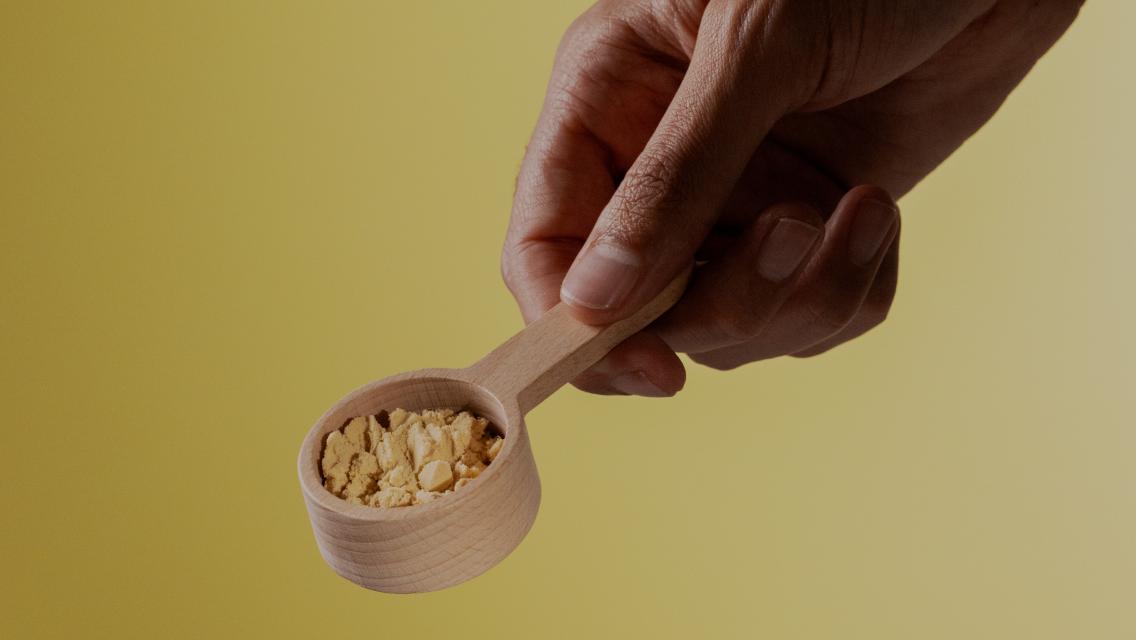
Pea protein isolates are generally made by cleaning and milling yellow peas into flour. The peas’ protein fraction is separated from the starch and fiber and isolated using water-based extraction and filtration techniques, resulting in a dry powder.
Smooth and versatile, pea protein isolate is commonly found in protein powders, bars, and other products. It provides all nine essential amino acids, making it a source of complete protein.
By definition, a complete protein contains all the essential, or indispensable, amino acids that your body cannot make on its own and must get from food: histidine, isoleucine, leucine, lysine, methionine, phenylalanine, threonine, tryptophan, and valine.
As the building blocks of protein, these amino acids support numerous metabolic functions in the body. Among them, three branched-chain amino acids — leucine, isoleucine, and valine — work together to specifically target muscle function, growth, and recovery.
It’s worth noting that nutrition labels list only the total amount of protein in foods, not their amino-acid profiles, making it hard to tell whether foods are a source of complete protein. (Learn more: “Complete Protein vs. Incomplete Protein: What the Difference Actually Means for Your Health.”)
4 Reasons to Choose Pea Protein
1. It’s a low-allergen option. Compared to other vegan proteins (think soy and quinoa), pea protein is a low-allergen, convenient, sustainable option. It delivers higher protein density per serving than proteins like quinoa, which contain more starch, and is generally more tolerable for most people than soy.
2. It’s easily portable and shelf stable. Pea protein powder isolates offer a uniquely convenient way to consume high-quality plant protein. By concentrating the protein from yellow peas and removing much of the naturally occurring starch and moisture, the lightweight, nutrient-dense powder is easy to transport and incorporate into daily nutrition without requiring refrigeration. It’s also easy to mix into shakes, smoothies, and other foods.
3. It adds protein variability to your diet. Rather than replacing a single protein source, pea protein can expand the variety of proteins in your diet, supporting nutritional adequacy, dietary flexibility, and sustainability. For vegans, it provides a highly digestible, complete protein source to help them reach their protein goals. For dairy and meat eaters, it’s a convenient way to add a broader spectrum of nutrients and reduce reliance on a single protein source.
4. It provides adequate protein for those on a vegan diet. For people following a vegan diet, pea protein can be a helpful tool for reaching protein and amino acid requirements, as most vegan foods have lower amino acid profiles. In fact, most people on a vegan diet need to roughly double their protein intake to meet optimal amino acid targets, making pea protein powder even more relevant.
How to Choose a Pea Protein Powder
Not all pea proteins are created equal, and it’s especially important to be mindful of processing methods to ensure you’re choosing a quality product in terms of digestibility, flavor, and texture. Depending on the manufacturer, the extraction conditions, filtration technologies, drying methods, flavoring techniques, and purification steps can vary, yielding significantly different results.
This is why my go-to pea protein recommendation is the LTH Vital Vegan Protein, as it stands out for its processing method, digestibility, flavor, and texture. It’s free of added sugars and artificial ingredients, and it’s third-party tested and NSF Contents Certified. This means it’s screened for 70 chemical residues and tested for heavy metals in 36 different ways. Sourced from 100 percent non-GMO yellow peas, it’s manufactured without solvents, irradiation, or chemical modification.
Additionally, the LTH Vital Vegan Protein has a digestibility of 98 percent, making it comparable to the best animal proteins. This high digestibility is due to the unique production process, which deactivates the typical anti-nutrient factors found peas, allowing for better utilization and absorption within the body.
LTH Vital Vegan Protein also has a notably creamy texture that holds up in smoothies, oatmeal, and baking without a chalky finish. For those looking to incorporate pea protein into their routines as a meal replacement, the LTH Fuel Vegan+ All-in-One shake includes added micronutrients, digestive enzymes, and a boost of fiber in every serving. It also provides over 50 percent of the daily value in 19 vitamins and minerals.
This powder also contains chia and chlorella protein, which are both complete proteins, further expanding the amino acid pools in each serving.
Vegan protein powders often have an undesirable earthy taste and chalky texture, yet both products are intentionally sourced to address the taste and texture challenges typically associated with plant proteins. Advanced purification and proprietary processing technologies help reduce earthy and grassy flavor notes while enhancing solubility. The result is a smoother, creamier texture that makes it easier to enjoy in shakes, smoothies, and more.