




Q: My 16-year-old son is trying to build muscle, and he uses a creatine supplement. I’ve heard conflicting opinions about how safe it is and how old you should be when you start taking it. Can you provide your thoughts?
A: Every few years, creatine gets vilified in the press for one reason or another — often involving misunderstandings about dehydration, cramping and muscle injury, and often involving athletes training in unsafe conditions. But the fact remains, creatine monohydrate (the most bioavailable form of the compound) is the most studied performance-enhancing supplement in history, and, according to a position paper published by the Journal of the International Society of Sports Nutrition (JISSN), “There is no scientific evidence that the short- or long-term use of creatine monohydrate has any detrimental effects on otherwise healthy individuals.” Beyond that, it calls creatine monohydrate the most effective nutritional supplement available for increasing high-intensity exercise capacity and lean body mass through training — put simply, you’re able to recover more quickly and thus put in more quality time under the iron.
But the benefits aren’t limited to getting bigger guns. “Athletes involved in contact sports may even get neurological protection from using creatine,” says Richard B. Kreider, PhD, director of exercise and sport nutrition at Texas A&M University and co-editor-in-chief of the JISSN. Translation: fewer concussions.
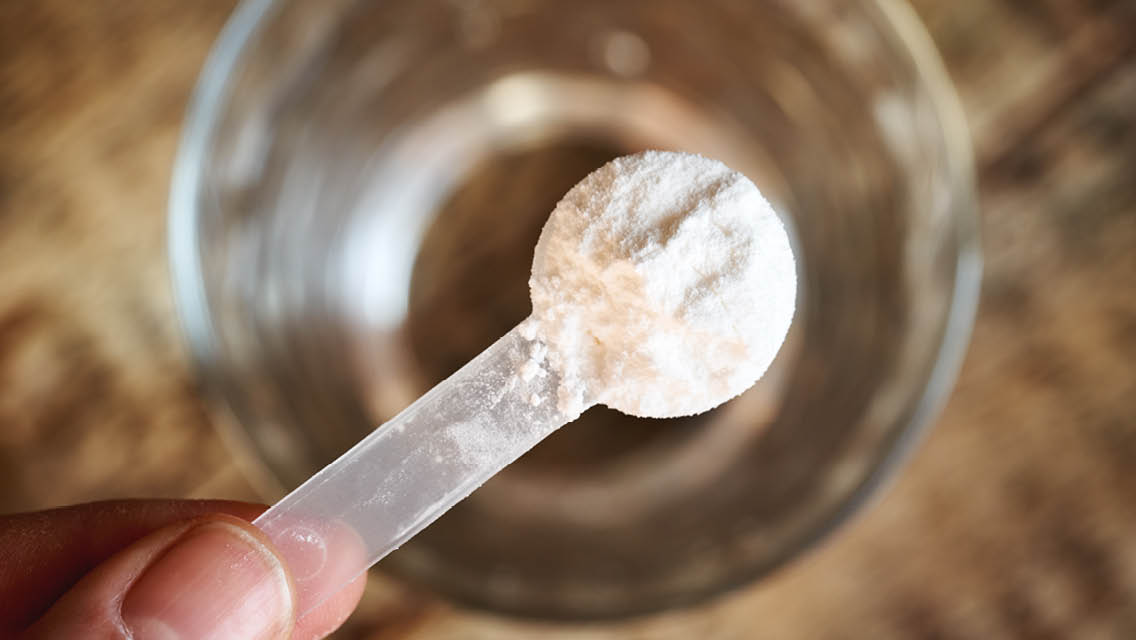
So it’s fair to say creatine isn’t the bad guy. Kreider specifies that those supplementing with creatine should be post-puberty, however — not because studies have shown adverse effects, but because fewer of them have been done on children and adolescents. Whether your 16-year-old fits the bill is your call. If he has your blessing, be sure he uses a pure creatine monohydrate supplement without sweeteners and additives and that he doesn’t exceed recommended dosages.








Comments (0)