



As the holiday season approaches, so do the social gatherings, special family meals, and festive treats — all of which can throw a wrench in your typical eating pattern. Many people respond with an all-or-nothing mindset: They either power through every gathering on willpower alone or set healthy habits aside entirely and promise to start fresh in January.
Neither approach tends to serve you well. Giving up the holiday foods and traditions you love can leave you feeling deprived, and those moments matter. But abandoning your healthy habits for weeks often leaves you feeling sluggish, short on energy, and less like yourself during a season you want to enjoy. It also makes a January restart feel much steeper.
There’s a middle ground. Nourishing your body and savoring the season are not opposing goals, and with a little intention, they can be done together. To help you balance the two, I’m sharing five of my go-to strategies to help you stay fueled and feel your best throughout the holidays without sacrificing the meals and moments that make them special.
1. Start with a smart grocery list.
No matter what’s on your schedule for the week, taking a few minutes to plan your meals in advance can make a huge difference. I like to keep an organized grocery list on hand to streamline shopping trips and reduce my mental load when putting meals together.
Hosting a gathering or bringing a dish to an event? Include what you need for those situations and try to be mindful of the nutritional content of your selections. Have obligations on the calendar where food is provided? Plan to eat mindfully during your other meals. I encourage clients to control what they can control. Even at this time of year, you typically can still do that for about 80 percent of your meals, which puts you in a strong position to feel your best.
I like to separate my grocery list by protein, produce (fruits and vegetables), dairy (if tolerated), starches, and fats — aiming to add a variety of options under each category. That way, when you’re ready to prep or cook, you know what you have available, and it’s easy to mix and match ingredients for a balanced meal. This approach can also simplify cooking because it allows you to assemble healthy meals with what’s on hand instead of relying on more complex recipes. (Learn more: “How to Build a Healthy Plate.”)
I also like to make sure I’m adding warmth to mealtimes by picking up lots of seasonal inclusions like pumpkin puree, cinnamon, nutmeg, butternut squash, wild rice, pumpkin seeds, apples, sweet potatoes, and Brussels sprouts.
Below is a sample grocery list. I usually start with this and circle the items I need before heading to the store.
Example Grocery List
| Vegetables | Fruit | Starches | Fats |
| Artichokes Asparagus Beets Broccoli Brussels sprouts Cabbage Celery Cucumbers Cabbage Carrots Cauliflower Green beans Green onions Kale Lettuce Mushrooms Onions Peas Peppers Potatoes Pumpkin Radishes Spinach Squash Sweet potatoes Tomatoes Zucchini |
Apples Apricots Avocados Bananas Blackberries Blueberries Cherries Cranberries Grapes Kiwi Lemons Limes Oranges Papaya Peaches Pears Raspberries Plums Prunes Rhubarb Strawberries Tangerines |
Beans (black, kidney, pinto, white) Chickpeas Lentils Amaranth Basmati rice Brown rice Buckwheat Coconut flour Flaxseed Millet Oats Quinoa Wild rice |
Almonds Brazil nuts Cashews Macadamia nuts Pecans Pistachios Walnuts Flaxseeds Pumpkin seeds Sesame seeds Avocado oil Extra-virgin olive oil |
| Proteins | Dairy (if tolerated) | Seasonings and flavor boosters | |
| Grass-fed beef Chicken Turkey Pork Chops Bison Venison Cod Halibut Pacific herring Spanish mackerel Tilapia Alaskan salmon Oysters Mussels Shellfish Eggs |
Whole milk Greek yogurt Cottage cheese Feta Blue cheese Mozzarella |
Pure cocoa Ginger Turmeric Garlic Cinnamon Nutmeg Cilantro Stevia |
2. Lean on a few consistent habits.
This is the season to stay grounded in a few core nutrition habits that set you up for success, even when your schedule and meals are less predictable. I recommend anchoring your nutrition with these habits:
- Aim for lots of fiber-rich produce. Think Brussels sprouts, spinach, cauliflower, and broccoli. This can help prioritize consuming key vitamins and minerals while supporting blood-sugar regulation, consistent energy throughout the day, and digestive regularity.
- Try to consume at least 30 grams of protein per meal. This can help support fullness, muscle maintenance, muscle recovery between training sessions, blood-sugar regularity, reduced cravings, and overall health.
- Opt for whole-food carbohydrates. This includes oats, rice, beans, and lentils, all of which can help further support your nutrient intake and fiber goals for gut regularity.
- Incorporate fluids throughout the day. Meeting daily hydration goals further supports digestion, nutrient absorption, craving management, cognitive function (alertness, focus, concentration), and steady energy levels.
I also recommend starting your day with a breakfast that includes protein, fiber, and antioxidants to help keep you full and fueled. This can set a steady tone for the choices that follow. A protein shake can be an easy grab-and-go option that combines all three. (Learn more: “How to Build Your Own Shake.”)
For busy days, it’s also helpful to have simple snack options available. These might include meat sticks, boiled eggs, fruit with a nut-butter packet, sliced veggies with a hummus cup, or protein powder (in a single-serve packet or a shaker cup). Stash them in your bag, car, or desk drawer, so you always have a healthy option when you get hungry.
These habits can help support steady energy and keep you satisfied. That makes it easier to enjoy your favorite holiday treats on your own terms, rather than reaching for them out of hunger or fatigue.
3. Add more balance to your favorite dishes.
One of my favorite strategies is modifying holiday dishes to make them more nutritionally balanced by increasing the protein or fiber or reducing the added sugar.
Tips for increasing protein: Adding protein to your favorite holiday dishes can be relatively simple — and it can add to their appeal. For example, I like to incorporate ground turkey into my wild rice stuffing recipe and add unflavored collagen peptides to my favorite soups. Many of my clients love to add cottage cheese to holiday staples like egg bakes and lasagna. You can even sneak extra protein into your favorite desserts by replacing vegetable oils or cream cheese with Greek yogurt.
Tips for adding fiber: For rice dishes, I like to swap out one-third to one-half of the rice for riced cauliflower to help boost fiber without sacrificing flavor. For mashed potatoes, I leave the fiber-rich skin on the potatoes and replace half of the potatoes in my recipe with white beans. Boosting the fiber content in these dishes can provide more steady energy, slow down digestion, help avoid blood-sugar spikes, and extend fullness.
Tips for reducing added sugar: For cranberry sauce, I like to add diced apples, pears, orange zest, and nutmeg (instead of sugar) to highlight the natural tart-sweet flavor of the cranberries. For baked goods, consider swapping out some of the added sugar for ultra-ripe bananas and adding more cinnamon and vanilla to enhance the flavor. Play around with recipes to find what works. I also keep stevia on hand during the holidays to use as a granulated sweetener rather than added sugar. (For additional ideas, try these “Healthy Swaps for Joyful Holiday Baking.”)
4. Make the healthier choice the easier one.
You’re more likely to stick to healthier habits when you make it easy on yourself. For example, choosing things like pre-cut vegetables, easy-prep or no-prep proteins, and individually packed avocado or hummus cups can help you hit your fiber and protein goals without too much effort.
I also like to set a few extra minutes aside after grocery shopping to clean and cut produce, prepping them to store in easy-to-reach containers in the fridge. Then, they’re ready to grab for snacks and quick meals, removing a barrier to choose the nutrient-dense option even when you’re short on time.
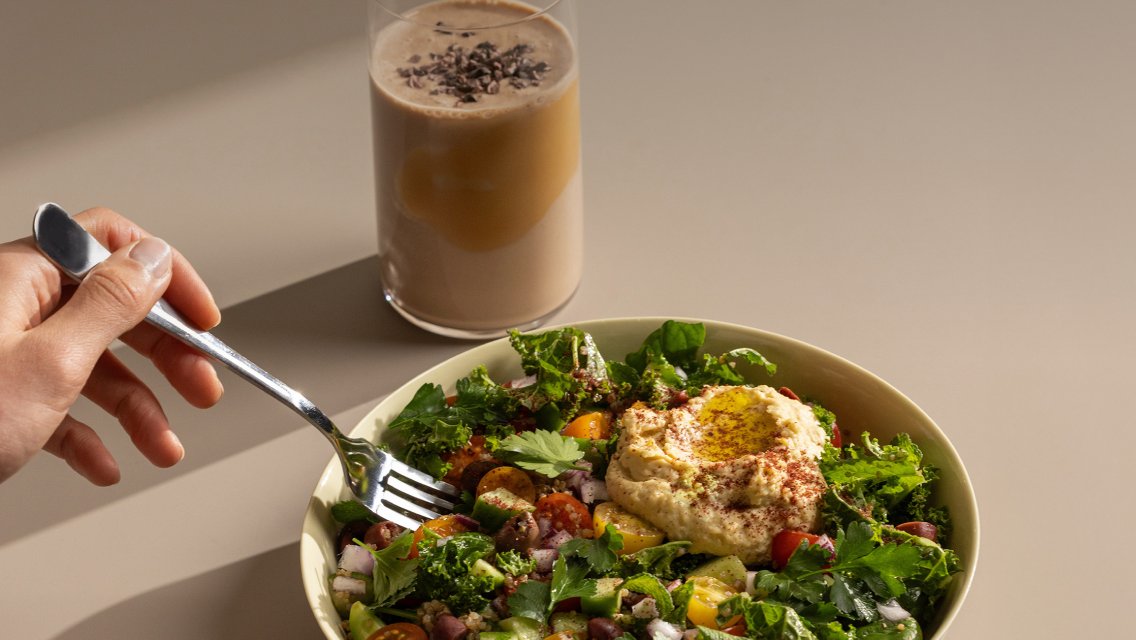
Another way to do this is to batch-prep proteins. I like to cook chicken breasts in a crockpot, make a large pan of ground beef on the stove, or bake a sheet pan of salmon in the oven and divide it up for various meals. Keep the seasoning simple during batch prep so you can diversify flavors for each meal. For example, I’ll use my shredded crockpot chicken in burrito bowls, soups, Mediterranean-inspired grain bowls, and loaded baked potatoes throughout the week.
5. Get personalized support if you need it.
The tips above are a helpful starting point, but everyone has different needs. Your schedule, training, food preferences, and goals all shape what works best for you.
If you’re still unsure how to navigate your nutrition around the holidays, a nutrition coach may offer helpful support. Through Dynamic Nutrition Coaching at Life Time, you can meet with a Dynamic Nutrition Coach for individualized recommendations and guidance. A coach can help you build on the habits that are already working, adjust the ones that aren’t, and create a plan that feels realistic during a busy season.