




Hand sanitizers and antibacterial soaps have never been proved more effective at killing germs than ordinary soap and water, but consumers still rely heavily on them: Americans spent $173.5 million on hand sanitizers in 2012.
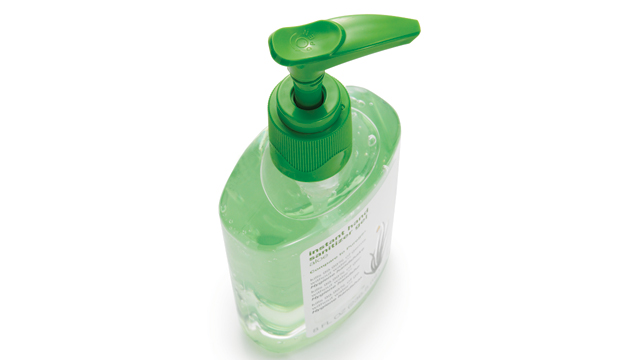
While the FDA classifies alcohol-based hand sanitizers as generally safe, some of their ingredients can be skin irritants — or worse. Here’s a breakdown of key ingredients in a typical alcohol-based product, along with their “hazard scores” from the Environmental Working Group’s Skin Deep Cosmetics Database.
Skin Deep Hazard Ratings
- 0-2 Low Hazard
- 3-6 Moderate Hazard
- 7-10 High Hazard
Active Ingredients
Ethyl Alcohol: This germ-killing agent in alcohol-based hand sanitizers evaporates within seconds after applying, but some is still absorbed through the skin and into the bloodstream. Research shows it can be an irritant to eyes, nose, and skin. Skin Deep Rating: 2.
Inactive Ingredients
Fragrance: Loosely regulated in the United States, “fragrance” might contain any number of 3,000-plus chemicals. It is often made from dozens of compounds, including those found to be highly toxic (such as phthalates, which are known endocrine disruptors). According to the Campaign for Safe Cosmetics, fragrance is among the top five allergens in North America and Europe.
An independent lab assessment of 17 fragrances found they contained an average of 14 chemicals not listed on product labels; four hormone-disrupting chemicals linked to a range of health problems, including increased cancer risk; and 10 chemicals associated with allergic reactions. Skin Deep Rating: 8.
Propylene Glycol: Various government agencies classify this chemical (which can be petroleum- or plant-based) as nontoxic, but some research indicates it may be a skin, eye, and lung irritant. It is widely used in cosmetics, antifreeze, and processed foods. Skin Deep Rating: 3.
Tocopheryl Acetate: Animal testing has found this chemical compound, which consists of acetic acid and tocopherol (vitamin E), causes tumor formation at high doses. There is strong evidence that it is a human-skin toxicant or allergen. Skin Deep Rating: 3.
Aminomethyl Propanol: This clear, colorless liquid is added to skincare products to make their pH levels less acidic and more alkaline. Research suggests it can irritate skin, eyes, and lungs. It is also considered an environmental contaminant. Skin Deep Rating:3.
Glycerin: Found in many skincare products, toothpastes, and even processed foods, glycerin is made of animal or vegetable fats. It has a low toxicity level but may irritate your skin. Skin Deep Rating: 2.
Isopropyl Myristate: This oil is derived from animal or plant fat and used as a binding agent. It has a low toxicity level but may cause skin, eye, and lung irritation. Skin Deep Rating: 0-1.
If you find yourself in a situation where you need hand sanitizer, here are two alternatives we like: Honest Hand Sanitizer or Intelligent Nutrients Hand Sanitizer.



Comments (0)