



Do your research. See databases like the National Center for Complementary and Alternative Medicine at www.nccam.nih.gov, which lists vitamins, herbs, and minerals; what they are used for; and the science behind them.
For information on specific brands, subscribe to the Natural Medicines Comprehensive Database at www.naturaldatabase.com. The independent testing organization ConsumerLab.com provides product reviews for a small monthly fee.
Seek evidence. Look for supplements proven in randomized trials. Read the label, or check PubMed at www.ncbi.nlm.nih .gov/pubmed.
Read between the lines. Supplement makers cannot claim that a product will prevent or treat any medical condition. So labels may wind up vaguely alluding to a product’s benefits both when there is and is not scientific evidence to support them. This is why checking the research databases above is so important.
Look for validation. Select supplements that have been tested by a third-party organization, like International Fish Oil Standards (IFOS) does for omega-3s or GMP (Good Manufacturing Practices). TGA (Australia’s Therapeutic Goods Administration) is considered the most rigorous agency worldwide.
Have standards. Check labels for FDA registration and “USP” (U.S. Pharmacopeial Convention) or “NF” (National Formulary), with a lot number and expiration date. These registrations mean the brand meets industry-respected quality standards.
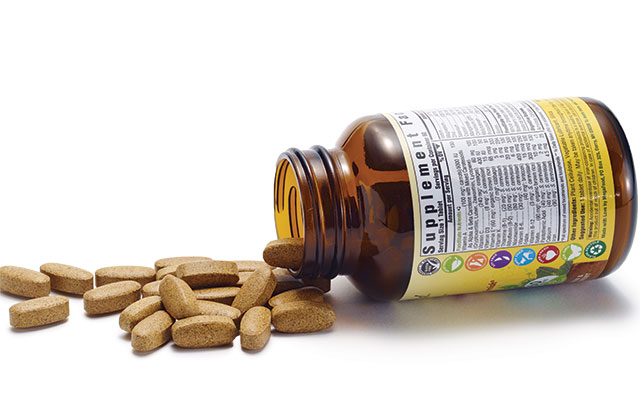
Read the fine print. Some supplements contain ingredients and fillers. Check the ingredient label for unwanted items.
Don’t buy purely on price. Cheap multivitamins are rarely a good bargain (in this category, you’re more likely to get what you pay for). On the other hand, expensive brands aren’t always necessarily better. A supplement might be higher priced because of how it’s marketed or the type of packaging.
Ask questions. There are a lot of supplement brands out there, so don’t hesitate to ask a trusted expert. Just beware salespeople pushing a particular brand, working multilevel-marketing schemes, or selling on commission. You’ll still want to do your own research.





Comments (0)