

Prevent vs. React: Why Taking a Proactive Approach to Your Health Matters
Learn how preventive medicine shifts us away from a reactive “sick care” system and toward proactive, relationship-based care.


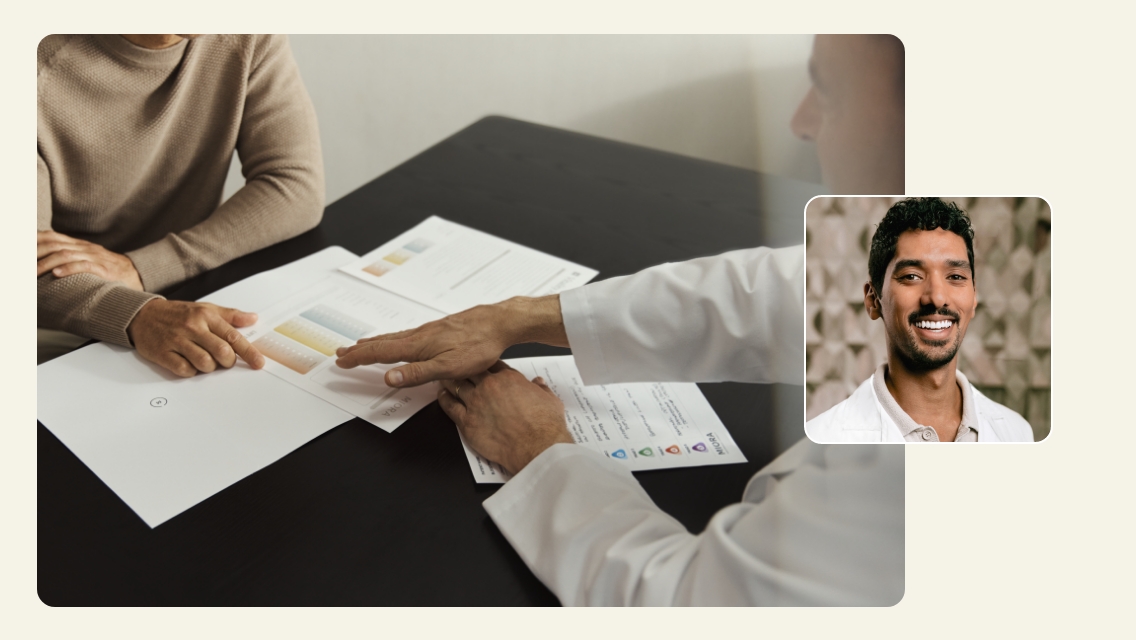
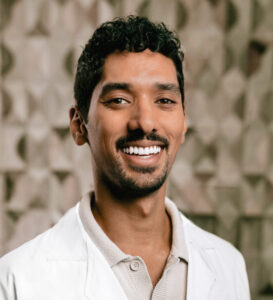
Preventive medicine flips the script on how we usually handle our healthcare: Instead of waiting until something breaks, you catch issues earlier, when they’re easier to address. In this episode, Rahul Iyengar, MD, explains why our current “sick care” system tends to wait for symptoms before stepping in — and what a more proactive model looks like.
He also shares why relationship-based care that gives providers more time with patients tends to lead to better outcomes, and how lasting health comes from sustainable habits rather than quick fixes. He offers a clear, practical look at taking charge of your health on your own terms.
Rahul Iyengar, MD, is a physician as well as the CEO and founder of Members Health Co, located in Nashville, Tennessee. Members Health Co practices a direct, preventative, and relationship-centered model of primary care — one that gives people time, access, and proactive attention. He is also the medical director of MIORA at Life Time in Franklin, Tenn.
In this episode, Iyengar explains how preventive medicine takes a different approach from traditional medical care, as well as how that can positively affect patient outcomes and long-term health. Insights include the following:
- Preventive medicine is about staying ahead of illness, not reacting to it. It emphasizes catching issues early — often before symptoms appear — when they’re often easier and less expensive to address.
- Today’s healthcare system is largely reactive. Iyengar describes it more as a “sick care system” since most people only seek care or receive guidance once something is already wrong.
- Traditional medical insurance is built for emergencies, not maintenance. Compare it to car insurance, for example: It helps when something breaks, but often doesn’t cover routine upkeep that can prevent more significant problems.
- Time is one of the biggest barriers to better medical care. Doctors seeing dozens of patients a day simply don’t have enough time to deeply listen, investigate root causes, or personalize recommendations.
- Relationship-based care can lead to better outcomes. It’s helpful for physicians to actually know their patients and maintain that relationship with them over time so they’re able to provide more thoughtful guidance.
- The current system can create confusing cost distortions. In some cases, preventative bloodwork may cost less when paid directly than when routed through insurance-based systems, for example.
- Wearables, direct-to-consumer lab tests, and online health information can be useful, but without expert interpretation, they may leave people overwhelmed and unsure about what to do next. AI, social media, and other online health information may not offer the best advice either. Beware of one-size-fits-all recommendations and know that it’s important for guidance to reflect your actual lifestyle, labs, and health history.
- Not all wellness offerings are created equal. Be sure to look for ones grounded in real medical oversight.
- Collaborative support from professionals like physicians, dietitians, and trainers all play an important role in long-term well-being.
- Better health comes from consistent behaviors rather than shortcuts, extreme protocols, or temporary motivation.
Transcript: Prevent vs. React: Why Taking a Proactive Approach to Your Health Matters
David Freeman
Welcome back to another episode of Life Time Talks. I’m David Freeman.
Jamie Martin
And I’m Jamie Martin.
David Freeman
And in today’s episode, we’re going to be talking about the rise of preventative medicine. Preventative medicine is a proactive approach to healthcare aimed at reducing the risk of developing health issues before they occur and supporting patients in living healthier and longer lives. It’s gaining interest and becoming more widely understood. And in this episode, our special guest is going to explain why, as well as the difference it can make for a healthy outcome. So who do we have, Jamie?
Jamie Martin
Yeah, we’re really excited today to have Dr. Rahul Iyengar who is a physician as well as the CEO and founder of Members Health Co. located in Nashville, Tennessee. Members Health Co. practices a direct preventative and relationship centered model of primary care, one that gives people time, access, and proactive attention. He recently joined as the medical director of MIORA in Franklin, Tennessee. And we’re really excited to have you here with us, Dr. Rahul. Thanks for being here.
Rahul Iyengar
Yeah, thank you so much for having me. Looking forward to this episode.
David Freeman
Yeah, Dr. Rahul, let’s jump right into it. Let’s start by grounding in what we mean by preventative medicine. How would you describe it as far as its approach and how does it differ from traditional medical practice?
Rahul Iyengar
Yeah, it’s a good place to start by defining what it is. So prevention, essentially the whole idea of preventing a symptom, preventing an issue, is staying ahead of it, catching it early. And if you catch anything early, it is really easy to fix it. Comparing to the traditional approach, I always find comparing to cars to be the easiest. We’re all really good at preventing issues from happening in cars and maintaining them. And then comparing it to the insurance model.
It’s the same idea as having great car insurance, which does not cover oil changes or gas or tires or car washes. Health insurance, the traditional healthcare model, is also not designed to cover your maintenance and your prevention. It’s more so designed for once you have a symptom. Then they’ll treat it. Kind of the analogy of you never took the car for the oil change. So now one day it will make that weird noise, and that’s when you take it to the auto shop. And that’s kind of what the traditional healthcare system is catered towards of okay, now we have to replace all these parts of the engine, send you to these different specialist auto mechanics, that kind of a deal. Versus we could have prevented all that really easily ahead of time by just doing the oil changes. So that’s kind of the foundation I normally give just to explain it of what prevention really means to me.
Jamie Martin
Yeah, I think it’s so important just because it’s like not waiting for symptoms to show up, right? Like it’s being aware and having knowledge of our current health status wherever we are in many cases. So I think that’s a really great analogy, like thinking about it as a our vehicles, because we’re all used to like taking care of those pretty well for the most part, to your point. So let’s dive into it. I mean, like why is our current healthcare system kind of set up to underinvest in prevention? Like, why is that not the focus in the first place?
Rahul Iyengar
Yeah. I mean, truly that’s one of my biggest questions since opening up my own practice and seeing how easy and affordable everything really is when we one, like make it you stay ahead of symptoms, it’s really easy and affordable. But two, even just direct access and being able to just for me, being able to have my patients just directly contact me when needed and handle things really easily and effectively. That is my question of why is this not what healthcare should be if I’ve actually focusing on health versus I think it’s kind of the misnomer of it’s more of our sick care system really is what we’re living in.
We wait to go to the doctor until we’re sick, which at that point most people have already, you know, we could have prevented that easily if they’d come in a year ago, five years ago, ten years ago. So that is really my question to the healthcare system as well. The biggest thing obviously is I mean, it’s the business at the end the day. So people do, you know, same thing if you had to replace parts in your engine, that’s gonna cost a lot more than doing the oil change ahead time. So that’s my speculation on it. But for me, having trained eleven years to become a doctor, I didn’t want to be a part of that kind of reactive system, especially when I am able to see how easy and affordable it is ahead of time. So hoping to reform healthcare here in the forefront of, you know, more preventive focused.
Jamie Martin
So to that point, you mentioned like your eleven years of training in medicine and wanting to do it differently with everything you knew. How did why or how, why and why was this the way you decided to focus how you were going to practice?
Rahul Iyengar
Yeah. I think it’s tough. You go into medicine because you want to help people. That’s pretty much everyone I know in clinical medicine, myself included. It is just tricky because as soon as you get started in training, you’re exposed pretty quickly to see that this is a reactive system. I think even for me, my background was more in like nutrition fitness. I was a personal trainer in LA before becoming a doctor. And that’s what in the back of my mind, and even all my training was why am I learning the third line treatment for diabetes when we could have just prevented diabetes if we caught it early? So that kind of a sentiment. Just that that’s not what the traditional system is built around.
It’s really if you just focus on treating. And so on the medical side, it kind of forces you into these kind of really hyper specialized niches, essentially, where you can end up being an expert in that niche. But and it’s really amazing what medicine can do when people are even that far into some kind of a chronic disease state. Of being able to treat and potentially reverse conditions. But for me, it’s still kind of a well, we could have still just prevented it if we caught it early. It’s just that no one’s really focusing on that. There’s really no clinical avenues to take a job in prevention, so to say, in the system. Because the system doesn’t reimburse for it, there’s no kind of incentives for any of these systems to do that. So that’s why I left to just start my own practice and then show more of a proof of concept example of this is what we can all do for healthcare.
And I’ve loved it. It’s been really nice just to know my clients. They can text or call me whenever. Everything is really easy. There’s no copays or fuss or like, it’s after four PM, the point you know, phones roll over or something. It’s more of a that really more personal approach. Kind of an old school neighborhood doctor approach that doesn’t exist but should exist.
Jamie Martin
That’s not some
David Freeman
Yeah, I’m just thinking just being in the health and fitness industry now, like for almost twenty years and being able to impact lives and obviously you have a background within training folks as well. And we always try to have that proactive approach. So preventative medicine is not anything new. And it was almost like what we would say within the health and fitness industry when it comes to training. A lot of the things that we’ve been saying over the years is not necessarily new. It just now becomes more and more available for people to really understand. So where do you see preventative medicine going in the upcoming years just because it’s more awareness to it and to your point of what you just said people like yourself that’s advocating for more people to be aware of it and bringing more people along with you.
Rahul Iyengar
Yeah, that’s a really good question. I think right now it’s kind of a pivotal shift. I think a lot of people are realizing that, hey, traditional healthcare isn’t really addressing my needs. I think even you know, younger, healthier patients too, I always kind of say, going like, they haven’t been to the doctor in years. I’m like, you’re not missing out on much. because if someone young, healthy goes for the annual physical, they’re not actually doing really anything. I’m also not really I’m limited in what I can do as a doctor. Like I can only order these two, maybe three labs on you, versus if I try to order that. Panel that I do, you get a $2,000 bill. So I think people are kind of like, well, why would I even waste time going to my primary care doctor?
But there’s a lot of awareness now on kind of this prevention and proactive approach. I think we are seeing a shift towards making these outlets more accessible by doing preventive blood work, doing more of like the I guess longevity branding around it. But I think that’s where my background differs a bit more of having more like preventive medicine, of having that medical component to it and more so medical. I think there’s a big difference between doing preventive labs, having that kind of a focus with clinician oversight, as opposed to there’s a lot of just online services these days. There’s a lot of like send-out places. And I’m not really sure what they use to vet the responses. I’m not really sure what feedback they’re actually giving you. And at the end of the day, I think there’s a lot of sales-driven wellness and longevity and prevention and that kind of a spin, which is what I found can also be dangerous in the other direction of. Do you actually need these, I don’t know, 50 different supplements and peptides and whatever else it is? Or do we need to actually focus on some of these like basic foundational abnormalities, which can be fixed with lifestyle or other kind of interventions?
And so I’m curious to see myself how we end up shifting as we kind of leave from traditional medicine approaches as a society and then switching to some of the more like upcoming, newer modalities and trends, which I think there is a lot of really good, exciting up like in like different advances that are coming up, but I think a lot of them my concern is there’s really no medical supervision for a lot of these places that just pop up overnight. So that’s why I think with MIORA and stuff too, I do like that it’s actually medically supervised and overseen. I practice in having your actual doctor oversee your care and your blood work and that foundation as opposed to, yeah, there’s a lot of places I’ve seen that just kind of pop up overnight and then they just have you sign this waiver. Like anything happens, like you should go follow up with your doctor. And it’s my s more so of like, why don’t we just do it with your doctor and stuff so that we can actually start from the beginning doing it the safe way.
Jamie Martin
Right, right. Well it’s super interesting that you’re saying like these places are popping up and may they may not have the supervision. We really want to encourage, like if you’re doing these things, we want you to have supervision. I think the thing that’s p perhaps like a good part of that is that means people are wanting to be more proactive about their health, right? They want to understand where they are. Again, we’re going to encourage that you always do it with medical supervision and have somebody to help you when you’re getting that. But I think that proactivity, one thing we’ve talked about in Experience Life magazine is a lot is how why we have to be our own best health advocates. And that means being proactive. So I mean, when you talk about proactivity, why does that matter so much? And how are you seeing that show up in patients that you’re working with?
Rahul Iyengar
Yeah, I mean I think I love that people are being more proactive about their health and interested and genuinely wanting to find out insights, make changes that are gonna lead to sustainable results. That’s my goal too. Of I’m not trying to sell anyone like a quick fix, it’s more of a let’s set you up for success down the road and kind of develop those habits that are going to change your entire health trajectory and sort of give you like a quick win. I think I was even off the trainer, same idea of my goal was always like at the end of these eight weeks, you shouldn’t need me. You should be able to kind of program your workout yourself, be able to kind of think from that standpoint of not just relying on a crutch of like, let’s actually do some education awareness, that kind of a concept. But I think with being proactive, it’s been good to see people be interested in I think it is just still that it’s really more education focused.
I think I get asked a lot these days about, hey, I saw this thing on TikTok or hey, I saw this, my friend’s getting this peptide. Should I be doing it too? And I think kind of debunking a lot of the stuff that’s out there or making it relevant in a way that’s personalized really does create the difference in terms of health outcomes and impact. Just because it’s good for or just because some so-and-so is doing it doesn’t mean that it’s good for you. I think even some of these kind of podcast episode I listen to. I hear people recommending certain supplements and in the audience listening, you don’t really know anything about who’s listening and if that’s relevant to their health and their goals. So that’s what I’ve enjoyed about the proactive approach is having time to get to make it personal and make sure it’s relevant to their health goals.
I will say the other end of it though is that there is also information overload. I feel like we’re kind of in that era of like you can go ahead and just get thousands of results from like Are you wearables, all these different online lab testing programs and stuff. So that’s also where I’ve seen a lot of people come to my office having already done the whole gamut of like testing and insights, but there’s no one to give it context. So I think people are really interested in proactive health, but then they end up getting just thousands of numbers and then it’s them and Chat GPT trying to piece it together, which Chat GPT and other AI resources are great. It’s still not the same as like a doctor that actually knows you, has some clinical context, I understand the history and context of it. So I do spend a lot of time even just with that of I like that people have already been proactive and gotten some of these results, but I actually enjoy having the time to go back through and be like, No, you actually don’t need this stuff based on what you’re telling me. Like you’re actually fine, like, it just makes it more personal and relevant.
Or I always give my mom an example, like she always gets told she has high cholesterol and to cut out red meat, but she’s vegetarian. And so that’s not really helpful advice. So some of these kind of online programs or kind of automated responses and stuff, a lot of times end up giving advice or recommendations that may or may not be applicable to the individual or their goal. So that was the other counterpart of people wanting to be more proactive. I totally hear that. I love it, but making sure that it’s relevant to them is a very different part of it.
David Freeman
Yeah, and the thing that we always speak to on this podcast is we speak to how experience is the best teacher. And being that you have experience once again in that space of training individuals, and now also having this background within preventative medicine, the one piece that we always see as an opportunity is how it can be very fragmented. I go to my PCP, my primary care physician, and then they say, Hey, you got to work out more and you got to get better sleep. And now that’s left up for interpretation. You knowing what we do within this space. And I can speak from experience as far as MIORA, not only do they go over everything in detail with me, but now they also give this collaborative effort as far as, hey, are you working with the trainer? Now they can actually work with the trainer to make sure that you’re set up for success. So it’s not like they’re trying to figure it all out on your own. So can you tell us also how that collaborative effort is so key in making all these things come to life?
Rahul Iyengar
Absolutely. I mean, I know the healthcare, it takes a village. Like you have to have your core people. You have to have you know, the advocacy part of it as well. I think that’s what’s missing a lot in the traditional system is I mean, most people don’t even have a PCP. Let’s say you want to, you know, anything comes up, like you probably can’t even get a hold of them and you’re kind of stuck in urgent care, you are advocating for yourself, which you may or may not know the right answer or what to say, and then that leads to different outcomes, and there’s not a whole bit of it. But I think even in some of this longevity wellness spaces. There’s a lot places that don’t have that kind of collaboration. I think that kind of misses the mark as well. So even MIORA, I love that they have that kind of collaboration. Like you have the gym, you have dietitian, you have clinician support. That’s what really helps to improve outcomes. So I also love having time to collaborate in my own spaces here as well for my company. But it really takes that kind of direct approach to be able to have time to connect with colleagues, you know, and that’s what I’ve liked to my practice. I have time built into my schedule to text colleagues or call them or get answers, research things that I don’t know, versus in the system, if I’m seeing 40 to 50 people a day, I don’t have time to research anything or even think.
I think I unfortunately have seen this happen a lot of times in the traditional system. Someone comes in for a visit, they start talking for like a minute or two of like these gut symptoms they’ve been having. And it’s like immediately just okay, yeah, great. I’ll send you a referral to the GI doc. And then you end up going to the GI doc however many months later. And then they just they’re like, okay, we’ll just do a colonoscopy. And then the colonoscopy, you know, not a fun procedure, and then comes back normal. And like, yep, all right, we’ll just start a medication then. And it turns out it was actually just with a food allergy or something that was really easy to have found on blood work. But it’s kind of the whole ring around when there isn’t that collaborative approach. It feels collaborative kind of and like, yeah, I sent you a referral to the GI doc, but there’s no communication even with the patient about like, hey, like let’s talk more about your symptoms and get the full history instead of just kind of sending you to specialists without really getting that full workup.
So that’s the unfortunate part of the system traditionally is that I would love to talk there. I want to talk for more than five minutes also, but your hands are tied. You have like four other people already waiting for you. You know, people are like, this person’s about to go to the ER, this person’s having a crisis. And then someone that’s kind of healthy-ish comes in wanting to talk about gut issues. I’m like, Yeah, yeah, yeah, you’re fine. Come back, go to the GI doc, bye. That’s kind of what it forces you to do. But once you have time to actually listen to the clients, hear what they need, and truly understand that, and then have time to actually go collaborate with colleagues and then go use some resources to research things, that’s what I’ve seen really helps to improve outcomes as opposed to just the same idea of even just giving them like a treatment or supplement that’s not relevant to them, that’s also not helpful. So I mean some other places are quick to sell. I’m like, great, I have a quick fix. Buy this thousand dollar treatment. That’s most times not the right answer. So I think it really comes down to time, having time to hear the patients and I don’t really just call them clients or members. I f they don’t feel like patients to me, which is why I enjoy it too of having more of that personal approach. They actually get to know everything about them, their goals, having that collaboration with other colleagues in the space, that really helps a lot.
Jamie Martin
Yeah, that’s huge. And you just painted the picture of kind of what it has like for if you’ve been doing traditional medicine, like being one of many who’s getting in and getting a couple of minutes with your doc. Talk a little bit about how that experience with you or at MIORA might be different, like the touch points prevent preventive care. I mean, yes, there you how often do you want to see people? What are those visits or interactions like? You’ve already painted it as being like, I spend more time, I talk, but like let’s walk people through that experience.
Rahul Iyengar
Yeah, absolutely. Well, even in my own practice, it’s been funny. I’ve had so many clients that have come to me and it’s like, wow, but the same PCP for eight years in a row, whatever else it is. And I spent more time with you in this one visit than I have with them in all eight years combined. Which is also what I like because then I’ve gotten to know everything about them, their life story, kind of their health concerns, or a lot of people don’t even have health concerns. It’s more focusing on health goals, and more habits, things that we can then kind of work to fine tune. Most of the stuff that I work focused on is like those little tweaks ahead of time, essentially the equivalent of the oil change where I’m like, yep, we’ll just, you know, do some minor tweaks now, but those little tweaks now really end up having some major downstream effects to prevent big issues. So that’s what I’ve really enjoyed is just more of those touch points and access to.
I think that’s where in the system it’s like, okay, I need to get a hold of my PCP. It’s like great I have to call, probably get a voicemail, get a call back like within 48 hours, and then they get you in in two weeks, and you have to go park and wait. And all that, you get five minutes with them after all that. Versus what I like is once I have that base of being able to really know them. After that, it is as easy as a text message or a phone call or an email. And I know who I’m talking with. It is way more personal. It feels like a friend or a family member where, hey, what’s up? How can I help you? It’s not just like a patient or like a number. It’s an even Mura, same idea when we have smaller panels. We get to actually know the clients, that makes a really big impact and difference.
And I think even cost-wise too. I think traditional system, it’s like, yeah, you’re covered, quote unquote. But in terms of what you get for being covered, you still end up even that example I gave with going to the GI doc and the colonoscopy and all that stuff, you’re still probably paying a couple thousand at least to hit a deductible or whatever else it is, even with insurance, and you still didn’t get any insights. So kind of that same that foundation of like, well, the car insurance. Health insurance, the health system and stuff isn’t really focused on you as an individual, what you actually need. It’s part of the system. Versus if you actually are able to take carve out some time to speak with an expert and professional in the space and get some of those insights and clarity, that safe’s it’s hard to even kind of quantify how much you save in time and money and health and outcomes.
But just having that support and advocacy, knowing that you have a provider that’s there that, hey, if anything happens, like text or call your doctor or have someone that’s overlooking your care that can actually advocate for you as opposed to I think right now a lot of people are unfortunately stuck advocating for themselves at an urgent care ER, which I mean I think versus it’s a lot easier if I can just advocate and make some phone calls on your behalf. And if you need a specialist, like let me call and like, well, one, I could just probably do it myself for have an hour to actually think about it, or I could just call them and get you an answer without you having to go see them, or if you need the specific procedure. I can call and pull some strings and get you in tomorrow. Versus individuals right now in the health system are just stuck. So
Jamie Martin
And waiting, to your point earlier, many months in some cases to get a procedure that might be n necessary or necessary. Yeah.
David Freeman
Yeah. Hey, Dr. Rahul, I wanna go back to the car analogy. All right, right, because right now, right now, the value of preventative medicine, I’m almost I would consider it like the EV, it’s our electric vehicle, and everybody wants to get in it. It got all the bells and whistles. Obviously, it’s gonna be a more collaborative effort approach, and then you’re gonna have all the support systems and advocacy. So now they’re probably scratching their head and saying, Man, I know this is gonna probably cost me an arm and a leg. So can you break down a little bit about the cost that probably is gonna be associated within preventative medicine, especially if it sits outside of insurance. And I know it’s not a like an absolute answer here, but if you can just kind of scratch the surface of what they would probably be looking at in this space.
Rahul Iyengar
Absolutely. And I’m on my entire company, Member Selts, was really focused on full price transparency. That’s something coming from traditional system. They always kept it a mystery and it’s like you might get a bill for however much. Versus now that I’ve been out of the system, I can see that it’s all really affordable and no one is talking about how affordable everything is. And it is really easy to be transparent when we remove the systems in place. So something like an MRI, I can order that in twenty minutes and it costs five hundred bucks and there’s no fuss, I get the results back in a few hours and it’s a really easy experience.
Or like blood work even for prevention. That’s a $200 panel when I order it. It’s almost $2000 when you go through insurance, because insurance doesn’t cover prevention or oil changes, it’s kind of equivalent. So that’s why insurance or the annual physical, it’s not doing that same preventive scope. So it is really and people that tend to go, you can opt charge from there and stuff, but I tend to just do full transparent pricing in my company. That’s my goal is more sort of showing people this is the real price and less, you know, put the money towards like having your preventative blood work, your doctor, our membership started just 190 a month. So I was trying to keep it affordable.
I think the biggest misnomer that I kind of see with prevention, that it seems like it’s almost like a luxury add-on. And it’s like, well, I’ll have to have like health insurance and benefits on this shelf, and then this must be a luxury boutique add-on on the other side of things. And from my perspective now, it’s they’re actually on the same shelf. And for this kind of a like membership, it’s one ninety a month, and you can get a lower level insurance plan that covers for the emergency stuff like cancer, trauma, you get hit by a car. That kind of insurance is 80 to 150 a month. That combined price is still less than half of marketplace insurance for some people. And you actually get something. So you get the policy to cover you for the emergencies. Hopefully, you never need to use it. The more so you get the prevention, the insights, you have your doctor available twenty-four-seven to advocate for you. And you’re saving money.
So that’s why I think my goal with this is really to show people this is what healthcare is supposed to look like and can look like, versus paying a lot of money for some of just the prevention stuff can also be you can get pricey pretty quickly, but then at the end of the day, it’s like having a really expensive like wax finish on your car. I’m like, that’s nice, but it still needs the oil change kind of a concept too. I think people spend a lot of money on like the exterior and versus I think having some of these more multimodal, comprehensive places that do the oil changes and the wax finish and that kind of a stuff, that’s what’s gonna lead to better outcomes and overall cost wise should be affordable.
Jamie Martin
Yeah. Well and to that point, I mean, a lot of people also have like HSAs or FSAs. Like is if if they wanted, is some of this eligible for that? I know that’s not you may not be able to answer that for everything, but okay. Yeah. So those those are if you have it, you can apply it to this kind of care as well.
Rahul Iyengar
Absolutely, especially for people that get insurance to their employers. There normally is an option to do an HSA or FSA option, then you can use that to pay for everything. And then that’s done to your employer, then allowing you to pay for, you know, prevention insights and then having you know, access to that kind of care. And then for anyone that is self employed or twenty nine, is it’s generally as tax deductible. I would obviously consult with a tax consultant for that, but that is an awesome aspect as well.
David Freeman
Back into what was said earlier about advocating for yourself. And a lot of times when these individuals now go into these spaces, they probably don’t know the right questions to ask or how to respond to certain things that’s being thrown at them when they heard hear this five-syllable word thrown at them, right? So what does what will be those questions? And once again, I never like to speak in absolutes, but the questions as far as when they go into these spaces, what does advocacy look like? What questions probably should be asked? If they’re going to their annual, to your point, like, hey, I would like to have these things done. You know, or if something’s not feeling right, how just to go about asking the right questions when it comes to advocacy?
Rahul Iyengar
Yeah, that’s a really that’s a tricky one because I one, like if you’re going to your traditional PCP, I would not ask for the blood for panel that I do in my clients, or they’re gonna get a two thousand dollar bill. So at that point, like just come do it with me or something separately. Like so don’t ask your traditional PCP. The other issue is like traditional PCPs are not trained in even how to interpret these labs. I’d pretty much trained myself on how to like I don’t know what these labs mean, why they’re important. Even Mjora has a big, big list of labs that are pretty similar to what we do. But that also for traditional physicians and training, we don’t get taught that stuff. So they’re probably not even gonna know what some of it is if they even let you order it.
I think the other hard part of like advocating for like symptoms, that kind of stuff, for generally healthy looking people, it’s tough to kind of, I guess, elaborate enough to be able to get the kind of I guess work up if you will, but the work up tends to be over imaging, over scoping, over like doing too much stuff that’s actually not needed. What’s needed is time of I can just listen to your symptoms. You probably don’t need that CT scan and like that endoscopy and whatever else it is and stuff. It’s more of like, we can just try doing like some simple lifestyle tweaks or like, you know, timing of meals or certain other things, which is free also. So I think that’s just tough.
I get it from the provider side as well of if I only have five minutes, someone’s complaining about even if you’re advocating for yourself for even if back to that stomach example and stuff. I’m like, my stomach is not great, it’s is not doing okay. I’m gonna have to jump to something that’s like, all right, well, we’ll have to go do imaging or a scope or something. So I don’t have time to actually hear the rest of the history here. I don’t wanna miss anything. Unfortunately, it is kind of in that defensive medicine culture that we’re in where in the system, you don’t want to get sued. And so it’s like, well, that way we rule it out. Even if that ends up costing the patient more or whoever whatever else ends up time-wise and doesn’t actually answer their question, it rules out the big scary stuff that could actually end up becoming a malpractice suit and stuff.
And so that’s kind of the unfortunate reality though of in the traditional spaces people are quick to sue, people don’t feel heard, and the doctor, I’m like, I want to spend time with my patients, but the strings are being pulled by invisible strings where it’s really more governed by some of these big corporations and like insurance and pharmaceuticals and everything. It’s just it’s a big industry. So it ultimately comes down to the doctor not listening to the patient. But that’s out of things that are beyond our control in the system. And so it’s tough to really to merge those because you take people that are really wanting to help others that are in those because you take people that are really wanting to help others that are in in in those spaces but then they’re getting squeezed so so much that they can’t and that’s what leads to some of the bad outcomes and stuff and patients need to advocate for themselves but then it’s still not it’s still missing the mark when they really just need time with someone clinical to be able to actually understand the symptoms in in more details.
Jamie Martin
It’s super interesting because even hearing you say that, I’m sitting here going, like, if I go in to a traditional care and say, I I really just need to talk to you for fifth. I need to tell you what’s going on. Like I don’t know what that I I’m kind of like, what would that experience actually be like? I don’t know if what would happen. Would I still be referred out probably? But maybe if I had a little bit more time to talk and explain and, you know, there we could get a little somewhere, right? But I think it also is coming in with like that knowledge around some of the pieces that like with lifestyle related things that we can do. asking questions in that, knowing what we do have control of versus what we don’t.
Rahul Iyengar
Yeah, I think it’s t it’s tough too ’cause I think it’s from our standpoint, like it it is kinda like, okay, if I the patient comes in like I need this, I have I have this infection, I need this antibiotic and yet now. And if you tell them no, they’re also gonna write you a review or like sue you or whatever else, something like that. And so sometimes I’m just kind of giving people something ’cause I don’t have time to explain what they actually need or be thorough enough to to talk I guess it does come down to time really is kind of the biggest biggest part of it.
Because yeah, i in turn I think a lot of times advocacy turns out turns into like you needing to request something that you feel like you need. But then if I don’t have time to explain, hey, maybe you don’t need to go get that CT scan or something, that also can be perceived you know, differently from the patient standpoint and stuff. So it is just tough to kind of generalize a lot of it because you advocate for yourself, but you may not know what you actually need or and if I don’t have time to contextualize it and I just either do it or I or I’m like, nah, actually we’re not gonna do that.
That also leads to like, hey, I did I went all the way to this doctor’s office. I sat here, spent five minutes advocating for myself and didn’t get what I came in here wanting to get. That that’s also not fun from the patient standpoint. Even if that might be the right answer, it does take time to be able to actually get to know the patient in more detail. Maybe they did need something else actually, but it it’s it’s unfortunate when there’s not enough time to have that history, that that background, I think it’s tough when you see someone for the first time and it is something that’s kind of acute or something’s wrong or off.
That’s why I like having these kind of relationships and establishments in place. The idea of trying to challenge that mentality of I go to the doctor when I’m sick, of like, come see me when you feel healthy and let me keep you feeling healthy. I am trained to do that as well. so and then when someone’s sick, I’m like, yeah, we can we can definitely address that. I actually already know everything about your clinical contacts, you’re not me. Not you telling me your entire backstory and stuff when you’re also feeling like crap.
So that’s not the best time to really kind of get a baseline of like of anyone’s health history either. really that kind of longitudinal aspect of it too, having that same point person as opposed to going to like a different teledoc or different ER urgent care like every single time, having someone that is your main like point person really does make a huge impact and difference. So even in terms of advocacy circling images that too. And like, yeah, if I’ve actually known you for like a few months now, a few years now, I’m like I can really help advocate when something’s needed or I really have enough clinical context to be like, to know some like more detailed things where I’m like, no, that’s normal for you. That may or may not be normal for the next person. But if I don’t know anyone, I’m like I’m gonna always go to that most extreme, like, All right, you have a headache, let’s go get a head C T just to rule it out. Just but I’m like it’s it’s not needed for the majority of the population.
David Freeman
Yeah, it we’ve been talking about advocacy. We’ve been talking about obviously preventative medicine and understanding also how we can be proactive in this space. Another thing that just popped up in my mind, I want to know more around the youth. What about our kids? We talk about advocating for self, but now advocating for someone else and being their voice. What would be the age of access to be able to have these same services? Is it is there an age that they can start or is there no limit to that as well?
Rahul Iyengar
Yeah, absolutely. so my practice, we do see kids, but it’s not I don’t charge children for memberships. It’s more so like if the parents join, I’m happy to kind of see them for anything that comes up. Most kids, it you know, I would always recommend going to the annual, you know, pediatrician visits, those kind of things. but most of the time that’s not why kids are going to the doctors and stuff. It’s more so for those acute things that come up, or like, hey, they got injured, what do I do?
That’s probably the worst time to go ask Google or Chat GPT because it’s always gonna give you like the, you know, buy it, go to the ER or something. And so that’s what it’s been the most told for our clients for is those kind of one-offs and stuff where it’s like, hey, what do I do in this situation? And and then we can actually get to, you know, advise on that those situations and give some more reassurance there, knowing that I’m overseeing their entire family’s care, as as a kind of trusted person as opposed to I’m not even sure if that would be reassuring hopping on like a random teledoc visit with someone you met for the first time and they’re telling you like, should your kid go to the ER or not? Are you gonna really listen to them or in that five minutes or something? So, but I would say majority of kind of those urgent care ER visits for children probably did not need to be urgent care ER visits. It’s just and that’s not fun for for anyone, especially not the kid. So that’s really where the value it comes from is having that kind of a report with these families and the parents, and even getting another kid that way too.
in terms of preventive blood work and that kind of a nature, I normally recommend starting at age 18 or 20. most of the time in childhood, unless there’s obviously there’s been a few folks who’ve talked where traditional medicine, like for pediatrician stuff, is just not Hearing their needs. there are some rare things that can happen in childhood that takes someone that has time to really be clinically astute and and be thorough. so that’s been helpful to be able to really dig into some of those things and find some of those rarer things that would get missed in the traditional system or get delayed in diagnosis for years until it’s like blatantly obvious that, like, yeah, you have this thing.
But if we could have just again same idea even for adults too, if I can actually just hear some of these symptoms, contextualize them, or better yet, find them in blood work before you even have the symptom. Well, we could prevent you from ever getting to that, you know, like prototypical patient. I’m like, yeah, the textbook, like, yep, you’ve now progressed to like this, whatever it is, clinical symptoms and stuff. So now you must have this diagnosis. versus yeah, it’s just a different approach, I think, in the system of while we go to these lab tests, you don’t have a symptom to like what I do now of like let’s just find out in blood work and stuff and in some of the clinical context before you develop the symptom. that’s really the difference, I think, in the proactive versus reactive approach is it’s just that mindset.
Jamie Martin
Absolutely. Well, I mean, you’re talking about you can do kind of some family care, right, with through the membership. There’s also this element in healthcare where people often feel isolated. So is there a community aspect to preventive medicine? Like what does that look like?
Rahul Iyengar
Yeah, I’ve and so that’s been an it’s been a really fun one of mine. I think community is such an important part of health. we all forget that we’re we’re humans. We need that kind of social connection and support. I think especially after COVID and so much isolation, I think there’s there’s a huge need for us to just actually spend time with each other. so I think it’s been really fun seeing a lot of the wellness space develop. I partnered with a lot of different people in the wellness industries to help bring people together and really kind of have that social connection, which is really important for health.
I will say it’s still important though to have kind of that clinical and like insights and stuff too. I think I see some places where it’s just focused on community and wellness. but then there is no real health insights with blood work, having that kind of medical point person also part of that same team. I haven’t really seen that in too many places. So I think that’s something just to consider too in terms of finances and and cost and budgeting. Of I think I see a lot of people spending thousands on like wellness and even some of the community stuff, but then missing some of that low-hanging fruit, that solid foundation of having your main point person for anything that happens, having the real health insights to stay ahead of any. kind of symptoms or clinical things that we can see coming years out of that time.
so that’s kind of my approach to health is kind of that pyramid approach of having blood work, your doctor, community, I would even put that in that kind of foundation part of it. And then kind of building up from there to get into some of the more optimization, kind of niche parts of of of help there. But I think price wise, it’s probably the opposite other way around of people end up putting the most time and money into these things at the very top of the pyramid. Cause that’s what’s being talked about on TikTok or social media or these kind of trending different treatments that have to cost a lot of money, but those aren’t gonna bring you community either. They’re also not going to actually cater towards what your your body needs, which we can find out easily.
David Freeman
Yeah. So we covered a lot. We covered a lot. And I want to make sure that our listeners, we didn’t miss anything that you want to make sure we want to put out there before we get into our special mic drop moment.
Rahul Iyengar
Yeah, I mean I think it’s just it’s different. I think this is it’s been the hardest thing for me to kind of relate to to people of like what exactly preventive medicine is versus primary care versus wellness. and then what I’ve kind of created with my company too, of like it is kind of it’s all of the above. and it’s a different concept than what exists on the market. So it’s really hard to kind of contextualize that. So I would encourage any listeners that are interested just to to take a look and and read up more on what we’re doing on our website, membershealthcoat.com, but just educate and know your options out there. But the whole idea is really designed to save you money. I would say know the difference between sales driven wellness and like doctor led wellness.
So Like so instead of just falling for any kind of ad or kind of like something that’s just like, hey, you should get these peptides and these kind of different treatments that doesn’t know you, that doesn’t know your blood work, that’s probably someone that’s trying to just sell you on something. they might say some really nice words, some really good science. They might not they might be correct in some of the science, but at the end of the day, it’s not the same as having your clinician, your doctor that knows you and your blood work recommends something that’s based off of your needs and is tracking that to make sure they’re doing it safely.
that’d be the biggest caution that I see these days of yes, you can get access to things very quickly and easily. That doesn’t mean that it’s good for you or that that’s in your best interest. So that’d probably the biggest thing of before you get sold and put money towards things that are dangerous, I would make sure you’re doing it with someone that actually has some more you know, that personalized context.
David Freeman
Love it. All right. Now it’s time for the mic drop moment. So this is just a fun question that we throw at all of our guests. It’s nothing to be afraid of. I’m pretty sure you’ve heard any and every question underneath the book, just being in the field that you’re in. But all right, so if every person was to listen to today’s episode, what would be one shift, just one shift that would have the greatest long-term impact on their health and the overall quality of life? What would that be? And more importantly, let me ask this. More importantly, what belief would they need to let go of in order to make that actually stick? That shift to actually stick? So one shift and what would they need to change to actually make it stick? What would you say?
Rahul Iyengar
That’s so tough to pick one. I mean, for me, I think what I at least in In America, I mean I think it’s food. Food’s really the biggest I think it’s it’d be because so much there’s so many things we can do like reverse it or try to reverse the the effects of food, but at the end of the day, I think food is that’s the fuel we put into our bodies. That’s the gas you put into the tank, essentially. If you put the wrong fuel type in there, the car might still drive, but it’s not gonna drive for very long or it’s gonna cause a lot of other issues in the engine. So I think even just shifting that mindset to look at food differently, and and I think right now we have a big focus on like Just like calories or that kind of a thing.
And and calories are not all the same. It’s and it’s weight’s not the same either. It’s more about composition and and muscle. And so I think there’s a lot of things that all tie back to food essentially and how we view food. it’s not about eating less. It’s about what we are eating and the nourishment there too, making sure that it has enough of what we need, which again diff differs by the individual. so I think that that something that I think the shift in mentality, I think looking at food as fuel, not just as like, I need to eat less. It’s like, what are we eating? That’s a that’s I think underlies a lot, the majority of different chronic health conditions that we really can prevent. It’s really hard once it’s already occurred. That’s kind of like, okay, you’ve been putting the wrong fuel in the car for five years. I’m like, well, you’ve switched the right fuel now, it’s not gonna reverse some of that stuff that’s already been occurring.
So I think the sooner the people are able to kind of shift that mindset of viewing food more as like this is what’s fueling my body and my cells, that definitely starts to have some really good effects in the body. I think things that someone would have to I think giving up some beliefs and stuff to, I think in general, I think just kind of the quick fix. I think that’s what we’re being sold a lot of these days. I’m like, you’ve been doing you’ve been putting the wrong fuel in car for years. Here’s just one thing that you can just pay five thousand bucks for and it’s gonna reverse it all. It it doesn’t work that way.
It’s really it sounds really appealing of like being able to undo some stuff like that or even optimize or or that kind of a thing with a quick fix, but ultimately what ends up changing health is habits over time. So there’s no way to shortcut that. You can there are still ways we can help optimize it ahead of time, but it really requires some of those more deeper habits that really lead to sustainable change. And sustainable being the real impact there for me of can you maintain it? I think even being a trainer and stuff, that background of like, yeah, you can crush your workouts, you can hit your goal. You can do it in four weeks, and then most people do that and they give up.
And so that’s not really useful for long term health either. So I think finding habits that are sustainable, really having more of that mindset as opposed to having like I’m gonna do a quick fix and are gonna really dial it in and do like a hundred percent and the burn out versus an eighty twenty kind of a rule. That’s what works. It’s and also live your life to twenty percent. Life’s supposed to be fun, it’s not supposed to be this super strict kind of like I have to do this, this, this, this. so that’s kind of the that’s probably the answer for that question.
David Freeman
I love that.
Jamie Martin
Feel like you just spoke like our love language of health or something there. I mean, like all those words sustainable, avoid quick fixes, those kind of things. Those are things we talk about all the time between this podcast, between Experience Life and at Life Time. So Dr. Iyengar, thank you so much for coming on. We want to make sure our listeners can find you. You mentioned your website, membershealthco.com. You’re also on Instagram at membershealthco. And then also you mentioned working with MIORA at Life Time and you can people can find information there at MIORA.lifetime.life. So thank you for taking the time to join us. We hope you’ll come back.
Rahul Iyengar
Yeah, thank you so much for having me. We’d love to come back some time.
Jamie Martin
Thanks so much.

More like this





We’d Love to Hear From You
Have thoughts you’d like to share or topic ideas for future episodes? Email us at lttalks@lt.life.
The information in this podcast is intended to provide broad understanding and knowledge of healthcare topics. This information is for educational purposes only and should not be considered complete and should not be used in place of advice from your physician or healthcare provider. We recommend you consult your physician or healthcare professional before beginning or altering your personal exercise, diet or supplementation program.
Life Time provides administrative, non-clinical support to MIORA as well as services and amenities related to general wellness and fitness; Life Time does not provide medical advice, diagnosis, treatment or care.
Advertisement