










Skip to content

Mental Health

ONE HEALTHY HABIT:
Get Outside Every Day

This year, we’re building healthy habits together. Join us by starting with this One Healthy Habit challenge.
By Experience Life Staff

How to Use Journaling for Mental Health

Explore six types of journaling practices that can offer meaningful benefits for your mental health.
By Jon Spayde

Merry and Mindful: How to Navigate the Holidays — Stressors and All

A Q&A with a Life Time MindCoach on handling the seasonal challenges that arise, reducing stress, and coping with loss and grief.
By Emily Ewen

13 Ways to Combat the Winter Blues at Work

Learn why we experience a lull in the winter months and how we can set ourselves up for success.
By Callie Fredrickson

What Is a Behavioral Addiction?

Shopping, gambling, social-media use, and sex are all behaviors that are potentially addictive. Learn how they happen and what defines this type of addiction.
By Alexandra Smith, MA, LPCC

6 Strategies to Cope With Climate-Change Anxiety

Here's how to move beyond fear, overwhelm, and anger — and respond with your emotional well-being intact.
By Jill Patton, NBC-HWC

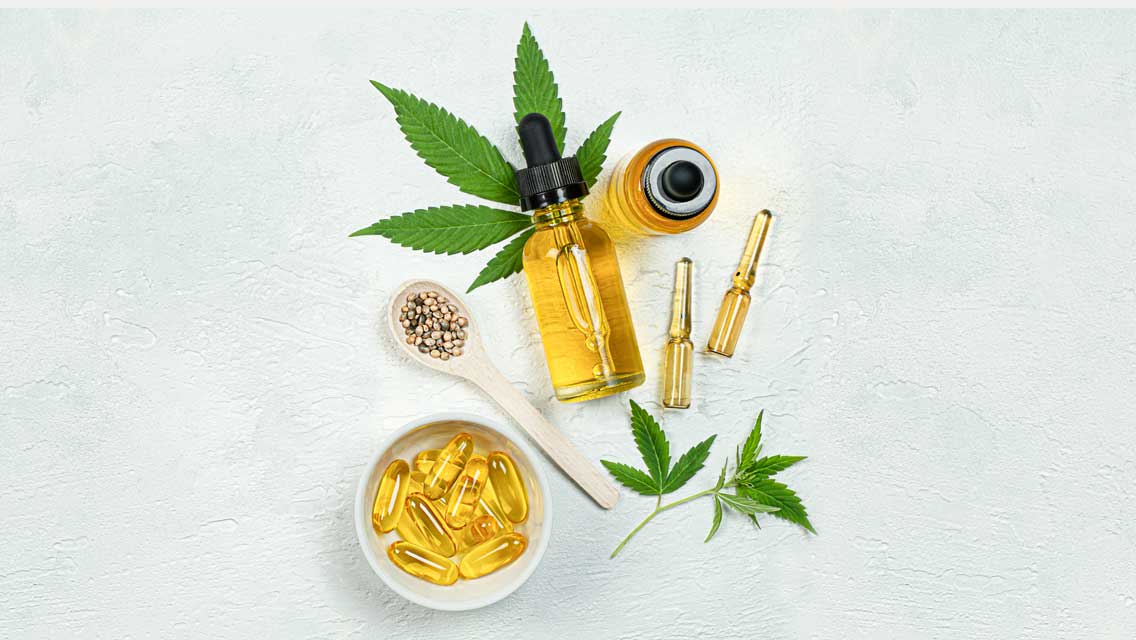
How to Use CBD to Support Your Mental Health

Learn how this plant compound can help us regulate our mood and sleep for better mental health.
By Henry Emmons, MD

What Are Seniors’ Most Common Mental Health Issues?

Depression and physical decline are just two issues many seniors face.
By Alexandra Smith, MA, LPCC

How to Prepare for the Daylight Saving Time Shift

Here are tips to reset your internal clock when Daylight Saving Time ends.
By Henry Emmons, MD

What Happens to Your Brain When You Fall in Love

Stephanie Cacioppo, PhD, shares what happens to your brain when you fall head-over-heels for someone.
By Michael Dregni

Meditations for Your Moods

Feeling stressed? Angry? Nervous? Learn how to select a meditation that can help relieve various emotional states.
By Emily Ewen

3 Adaptogenic Plants to Help Relieve Stress

How rhodiola, eleuthero, and holy basil can help you alleviate the effects of stressful situations.
By Henry Emmons, MD

Support After a Suicide

A grief specialist offers thoughts on how to support yourself or a loved one after a suicide.
By Alexandra Smith, MA, LPCC

Why Social Bonds Are So Important for Our Health

Expert advice on how to deal with loneliness.
By Mo Perry

Can Lithium Orotate Be Used for Everyday Mood Support?

Lithium carbonate is a popular medical treatment for bipolar disorder, but a milder, over-the-counter form of this mineral can be used as a mood stabilizer.
By Henry Emmons, MD

Does Exercising Help With Anxiety?

Yes, according to a recent study — and the more intense the exercise, the more it may help.
By Craig Cox

Talks — S5, EP14 / Why Self-Compassion is a Learnable Skill — and One We ALL Need

Self-compassion is a powerful tool for improving our own well-being and our relationships — yet cultural blocks often dissuade us from practicing this skill. In this episode, Kristin Neff, PhD, shares what self-compassion is, the strong, positive ways it can affect us (and others), and how we can start cultivating more of it in our daily lives.

With Kristin Neff, PhD

5-Minute Meditation to Prepare for Sleep

Let go of the day and invite in relaxation with this guided meditation.
By Life Time

How to Talk About Mental Health — and Ask for Help

The key? Understanding and overcoming the stigma surrounding mental health.
By Alexandra Smith, MA, LPCC

4 Strategies to Filter Out Fear

Being afraid is natural — but here are some ways to keep fear from controlling you.
By Henry Emmons, MD

Talks — S5, EP8 / Struggling With Stress: Why It’s So Prevalent + What You Can Do

More so than ever, rates of stress are high: Many of us are experiencing it at great intensities and for far too long. Henry Emmons, MD, talks about the impact of stress on the body, including how it influences our wired responses and how it can trigger mental-health issues like depression and anxiety — and shares tangible things we can do in the short- and long-term to support our bodies in and when recovering from times of stress.

With Henry Emmons, MD
Back To Top