



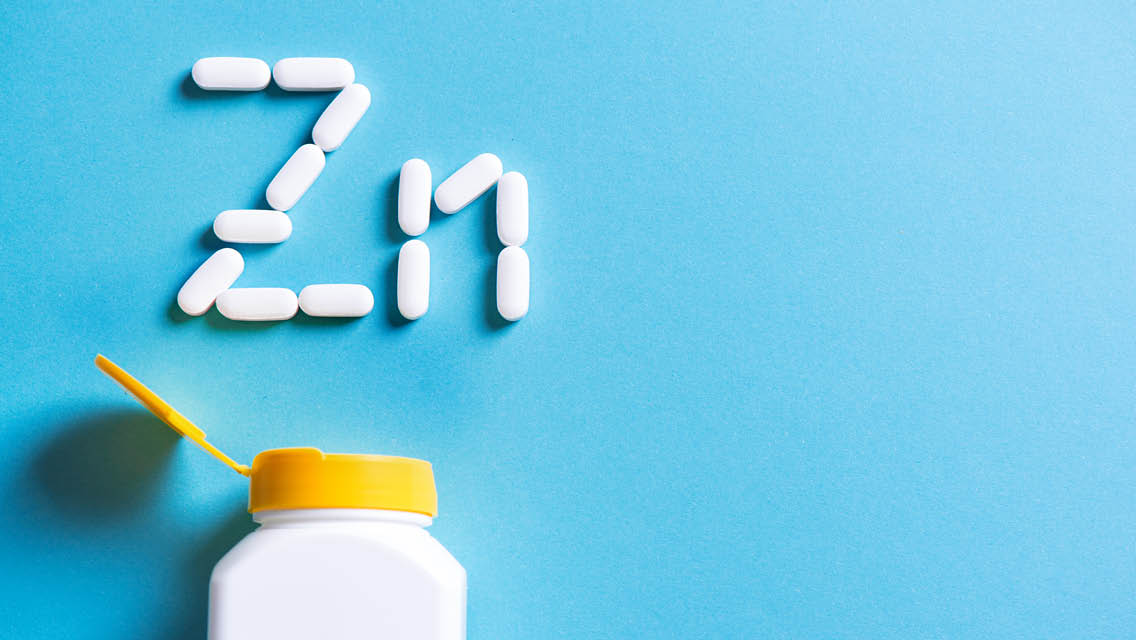
The immune system’s gatekeeper, zinc attacks viruses head-on and galvanizes the body’s defenses to fortify the frontline. Studies show zinc supplementation improves recovery time from both chronic and acute viruses, and a 2022 meta-analysis found that COVID-19 patients who took zinc had a lower mortality rate.
Zinc’s powerful anti-inflammatory and antioxidant properties also help support mood. “A strong correlation exists between low zinc levels and rates of depression,” says integrative psychiatrist Henry Emmons, MD, author of The Chemistry of Calm. “And boosting zinc is helpful not only in getting antidepressants to work better but in improving recovery rates.” Zinc plays an important role in fertility too.
Zinc doesn’t have its own storage spot in the body, so you have to eat it every day.
The second most plentiful trace mineral in the body after iron, zinc is found in all body tissue and fluid. But, unlike most minerals, it doesn’t have its own storage spot in the body, so you have to eat zinc every day.
Zinc deficiencies are rampant, especially in athletes, who are more likely to eat high-carbohydrate, low-fat diets. Up to 90 percent of athletes may have low zinc. Vegetarians and vegans are also at risk, because zinc absorption is thwarted by the abundant phytates in a plant-based diet.
How much: Adults need between 8 and 12 mg of zinc daily.
Best sources of zinc: Oysters are an exceptional source of zinc, with roughly eight times more milligrams per serving than the next highest source: beef. But more people eat beef routinely, which makes it responsible for 20 percent of the zinc in the American diet.
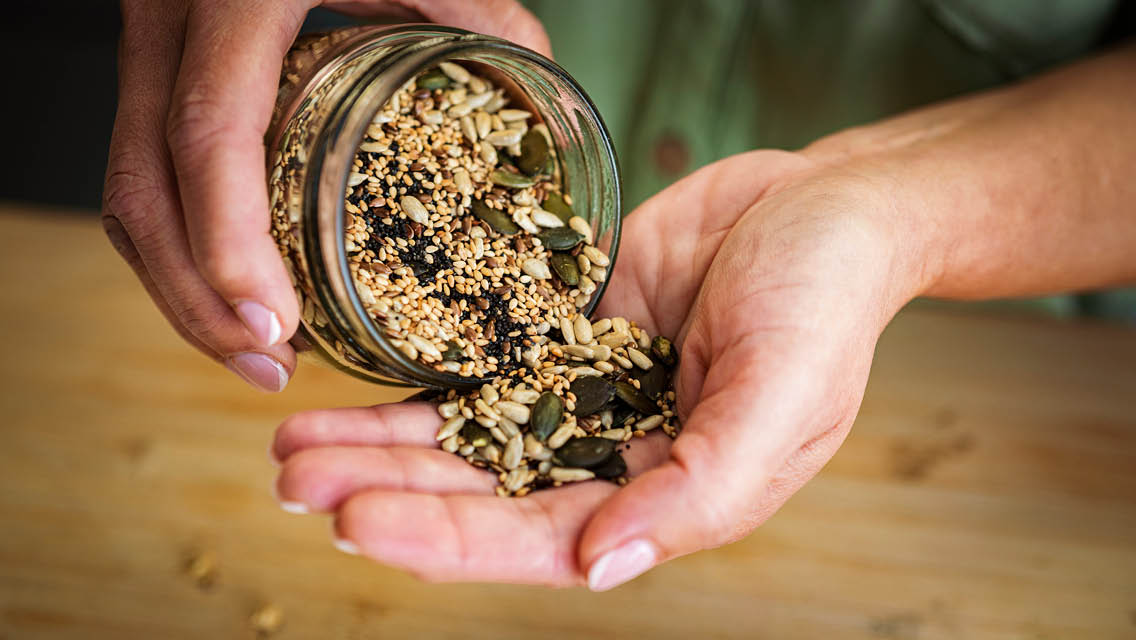
Other zinc-rich foods include pumpkin seeds (a quarter cup has about half the daily RDA of zinc), sunflower seeds, whole grains, and legumes.
How to know if you’re low: Zinc deficiencies can be detected through hair analysis as well as blood-plasma or urine tests. A lackluster immune system, impaired taste, and slow wound-healing are all potential signs of a deficiency.
Worth noting: Zinc’s wound-healing properties extend to the gut’s lining. Studies also suggest zinc may reduce the damage caused by alcohol.
(For a deeper dive into this powerful building block, see “The Health Benefits of Zinc.”)
This was excerpted from “5 Essential Minerals to Support Your Mind and Body” which was published in Experience Life.


Comments (0)