


You reach for your shaker bottle mid-workout and pause: What should I be sipping on right now? Is plain water enough? Do I need protein? Electrolytes? Amino acids? With all the nutrition advice out there, it can be confusing to know how to fuel and when.
With many conversations centering on protein as of late, one of the questions I often hear is, “Do I need protein during my workout?” It makes sense if you understand protein’s role in muscle health, but the answer may not be what you expect.
Supplementing with protein can be a beneficial part of your workout routine, particularly for recovery, muscle building, and other benefits. Yet consuming it during your workout is not typically recommended.
During your workouts, you want your body to focus on shuttling energy and blood flow to your working muscles, heart, and lungs. Protein requires significant digestive capacity, which means the body can shift from prioritizing training to digestion when you consume protein. This can compromise both, leading to poor nutrient absorption, digestive upset like bloating and cramping, compromised energy availability, and other issues, as your body fights for resources to complete both processes at once.
Consider Amino Acids
Amino acids are the building blocks of protein. They’re used to build and repair tissues, including micro-tears in muscle tissue, throughout your body, as well as to provide energy and support hormone function. They’re also involved with muscle protein synthesis, which helps build shape and tone, as well as reduce soreness.
For protein to be absorbed in the body, it must first be broken down into amino acids through the digestive process. But when protein is consumed during a workout and is inefficiently digested, those nutrients aren’t accessible to the muscle tissue where or when they’re needed.
But consuming essential amino acids via supplementation doesn’t require the same level of digestion because these protein-building blocks are already broken down. This makes them a good in-workout fuel option: They can bypass digestion and be quickly delivered where they’re needed, stimulating the muscle-building and recovery benefits that are needed for optimal performance.
While almost anyone can benefit from supplementing with essential amino acids, it’s especially necessary for the following people:
- Those not meeting their protein goals (one gram per pound of ideal body weight per day);
- Those who train fasted;
- Those who engage in a hypertrophy-focused training program (and therefore have increased amino acid needs with demand on their muscles);
- Those following a calorie deficit, as it can help preserve muscle mass, reduce muscle breakdown, and promote muscle protein synthesis.
Newer research also shows that pairing essential amino acids and exercise together, compared to exercise alone, more effectively improves muscular strength and functional performance for older adults.
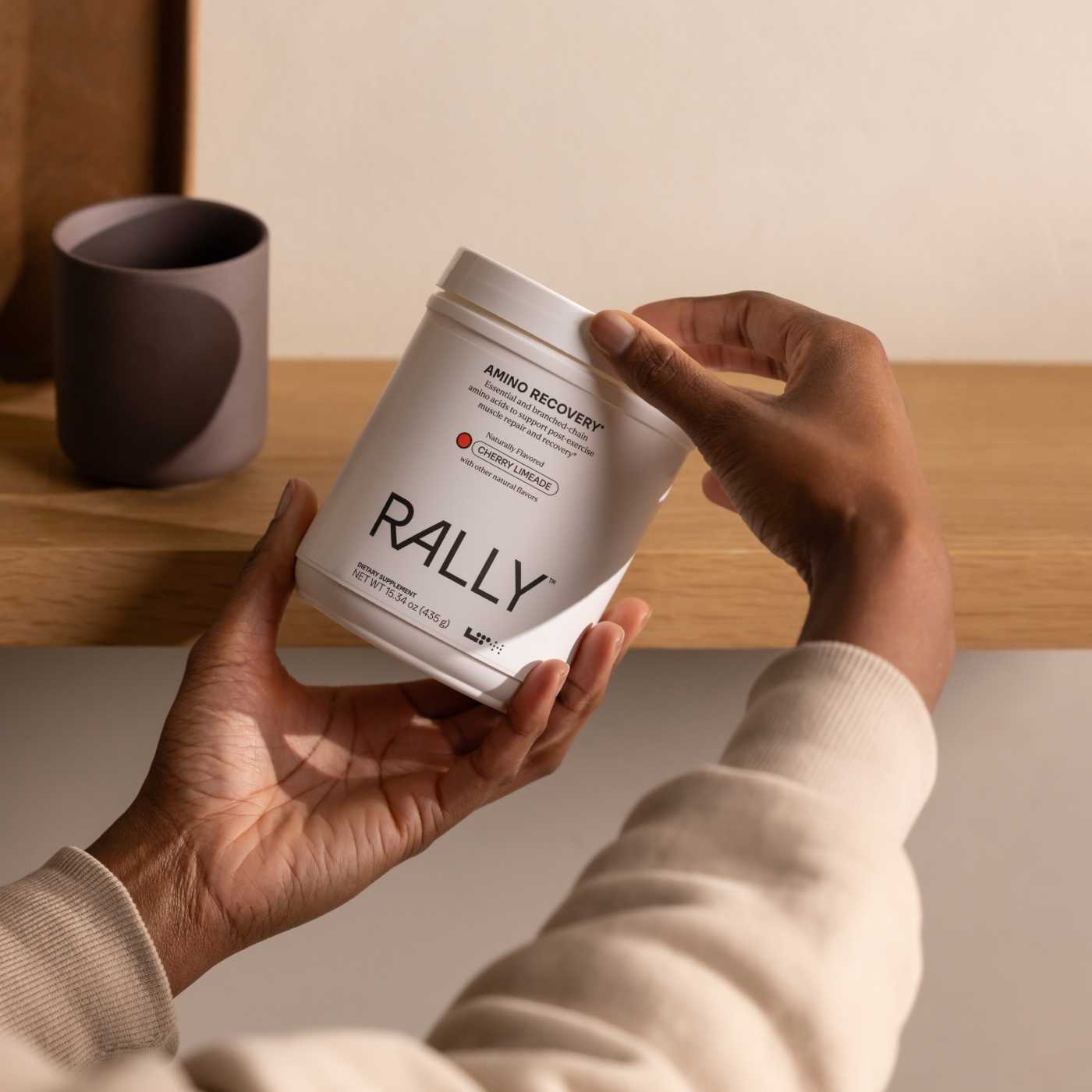
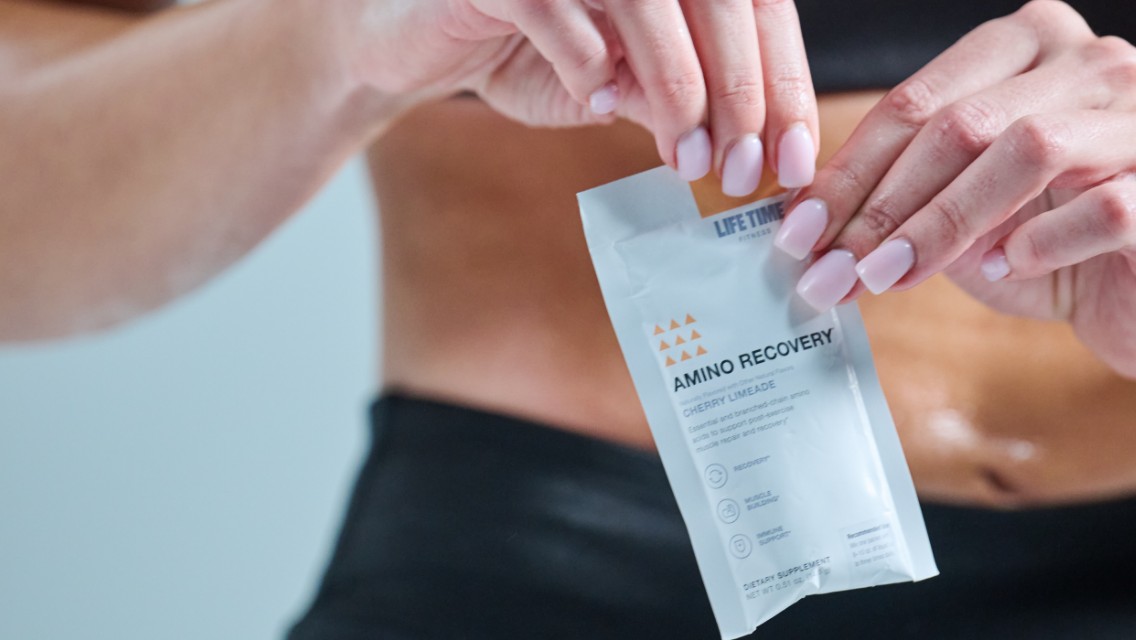
A favorite supplement option among Life Time dietitians is LTH Rally Amino Recovery. It’s easily mixed with water and includes all nine essential amino acids, including the branched-chain amino acids (BCAAs) leucine, isoleucine, and valine. Available in five flavors — cherry lime, lemon lime, watermelon (vegan), wild berry, and glacier (vegan) — LTH Rally is also free of added sugars, artificial colors, and sweeteners.
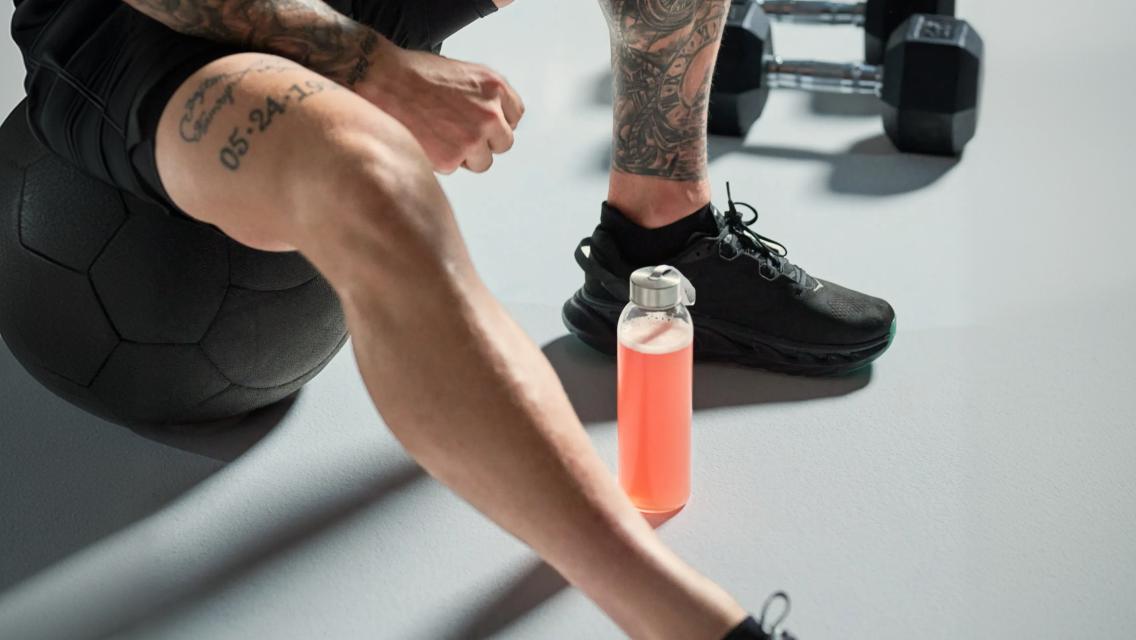
I recommend using it immediately before, during, or after exercise, mixing a serving of it into about 8 to 10 ounces of water. You can also customize your dose by using one serving (scoop) per 100 pounds of body weight. (Learn more: “Why Aminos for Recovery?”)
Depending on your goals, protein powder supplements or a small serving of whole-food protein can typically be consumed as part of an easily digested snack about 60 to 90 minutes before and after your workout, depending on tolerance.