


Skip to content

Get Experience Life delivered to your door

Experience Life
Delivered every two months

Real Health. No Hype.

More than 600,000 subscribers trust us to keep them informed, inspired, and authentically healthy. Join them.

Do You Have to Eat Protein Immediately After a Workout?

Why the advice to "optimize in 45" may still hold true.

Optimize in 45

The “optimize in 45” principle was popularized in the 2004 book Nutrient Timing. The theory asserts that your body is primed to turn protein into muscle in the 45 minutes following a hard workout, so you should take advantage of this anabolic window by eating protein soon after your session’s final rep.

Recent research challenges this notion. In 2013 a review study published in the Journal of the International Society of Sports Nutrition examined the results of some 1,000 subjects and found little support for the practice of nutrient timing. The authors concluded that “consuming adequate protein in combination with resistance exercise” — not the timing of your meals — is the key factor to building muscular strength and size.

Nevertheless, says Life Time program manager Paul Kriegler, RD/LD, following the “optimize in 45” concept is still a worthwhile habit for people seeking general fitness. “For average gym-goers and active adults,” he says, “a postworkout protein focus is a good way to promote recovery and fitness improvements.”

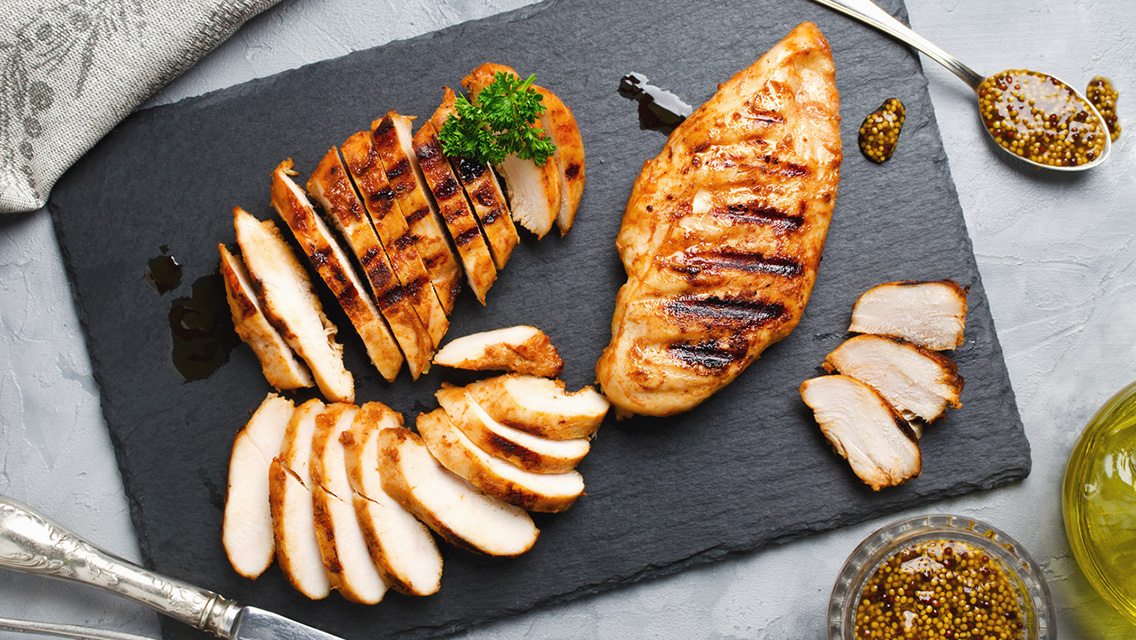
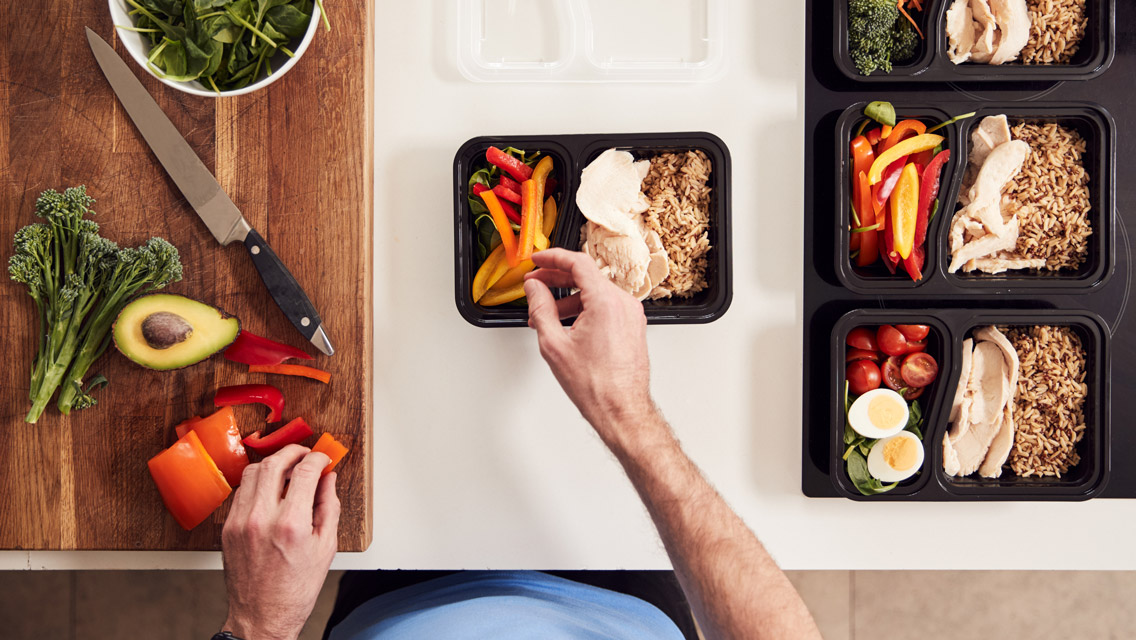
The anabolic period probably isn’t as brief as 45 minutes — the study suggests it may be as long as six hours — but for most fitness enthusiasts, consuming 20 or so grams of protein shortly after a workout can support muscle growth and recovery. Try three whole eggs; a hand-size portion of cooked chicken, turkey, seafood, or red meat; or a large scoop of protein powder in a smoothie to hit the 20- to 30-gram goal.
Photography by: John Mowers
Share

Discover more from Life Time

The “optimize in 45” principle was popularized in the 2004 book Nutrient Timing. The theory asserts that your body is primed to turn protein into muscle in the 45 minutes following a hard workout, so you should take advantage of this anabolic window by eating protein soon after your session’s final rep.

Recent research challenges this notion. In 2013 a review study published in the Journal of the International Society of Sports Nutrition examined the results of some 1,000 subjects and found little support for the practice of nutrient timing. The authors concluded that “consuming adequate protein in combination with resistance exercise” — not the timing of your meals — is the key factor to building muscular strength and size.

Nevertheless, says Life Time program manager Paul Kriegler, RD/LD, following the “optimize in 45” concept is still a worthwhile habit for people seeking general fitness. “For average gym-goers and active adults,” he says, “a postworkout protein focus is a good way to promote recovery and fitness improvements.”

The anabolic period probably isn’t as brief as 45 minutes — the study suggests it may be as long as six hours — but for most fitness enthusiasts, consuming 20 or so grams of protein shortly after a workout can support muscle growth and recovery. Try three whole eggs; a hand-size portion of cooked chicken, turkey, seafood, or red meat; or a large scoop of protein powder in a smoothie to hit the 20- to 30-gram goal.

More like this

Share a thought

0 Comments

Comments (0)

Leave a Reply

Your email address will not be published. Required fields are marked *

Keep the conversation going

Leave a comment, ask a question, or see what others are talking about in the Life Time Health Facebook group.

Facebook Group

Advertisement

Back To Top