


Skip to content

Get Experience Life delivered to your door

Experience Life
Delivered every two months

Real Health. No Hype.

More than 600,000 subscribers trust us to keep them informed, inspired, and authentically healthy. Join them.

How Do I Know If it’s Safe to Exercise Outside?

Wildfires, smog, and other environmental issues can cause poor air quality. Consider these four factors when contemplating an outdoor workout.

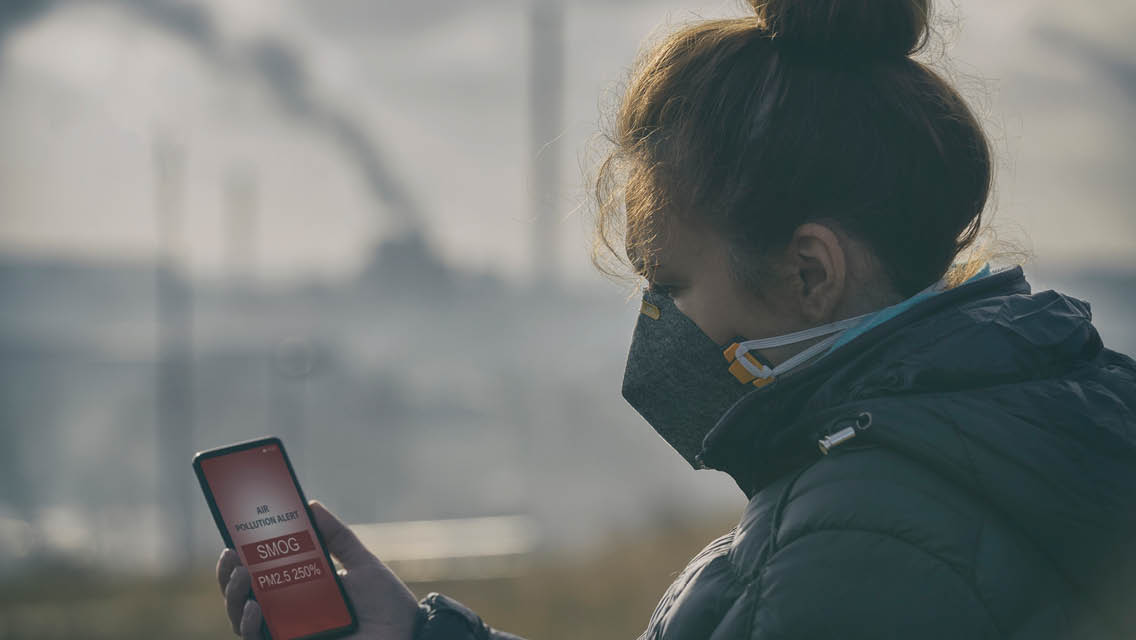
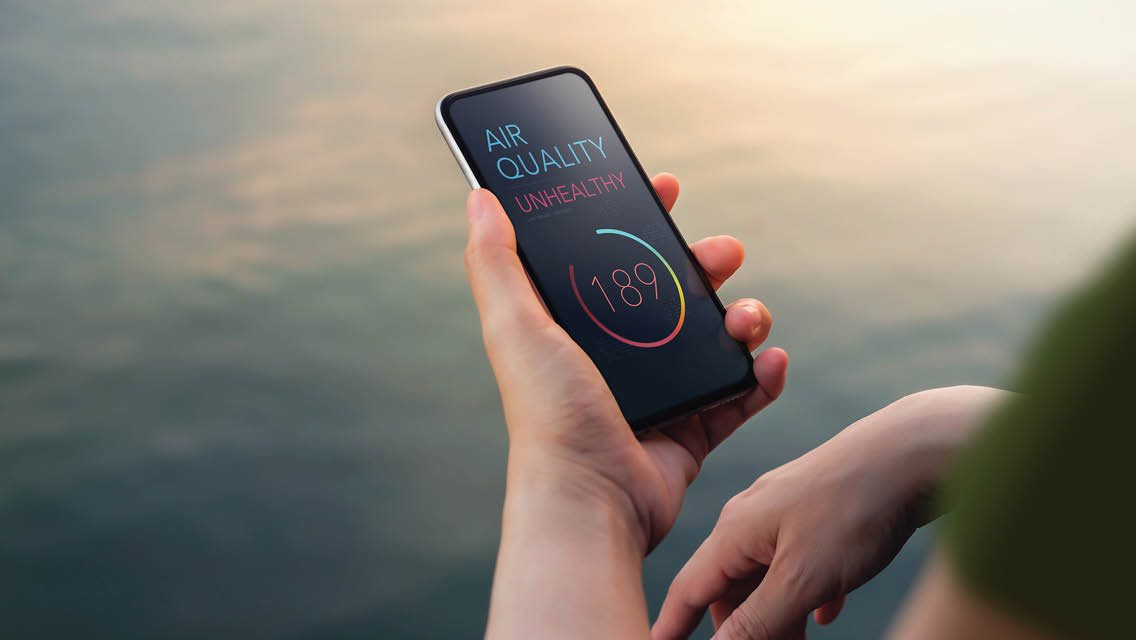
a person checks the air quality on their phone

When contemplating an outdoor workout, consider these factors:

  1. Do you see smoke or haze? Can you smell smoke? These are strong indications to reschedule or relocate an intense workout, says Paul Kriegler, RD, CPT, director of nutrition product development at Life Time.
  2. If you wear a fitness tracker that provides a performance indicator such as heart-rate variability (HRV), use that info to guide you during your workout. “Anytime I see a negative performance indication, such as lower-than-usual HRV, I pay extra close attention to how hard I push that day,” he notes.
  3. Zero in on how you’re feeling. If you’re feeling sluggish, if you have a headache, or if you’re struggling more than usual, he advises, consider slowing your pace, reducing your intensity, or even stopping your workout. “The last thing you need to do is push yourself harder when the conditions are unfavorable.”
  4. Look at the Air Quality Index (AQI) from AirNow.gov, which offers activity guidance based on ozone and particle pollution in your ZIP code. (Many weather apps also report the AQI.) When air quality is good, the AQI will be flagged as green — meaning it’s a great day to be active outside. Yellow indicates that sensitive groups, like those with asthma, should take precautions. Red and purple denote higher levels of ozone and particle pollution, suggesting that vulnerable individuals should reduce the duration or intensity of their workout — or skip it altogether.

Go Deeper

In the past, thunderstorms, heat waves, or snowstorms may have derailed your plans for training outdoors. Now there’s another environmental scourge to add to that list: poor air quality. To learn more about exercising outdoors, including tips on how to protect yourself, refer to the full article “Is It Safe to Exercise Outdoors When the Air Quality Is Bad?,” from which this article was excerpted.

Jessica Migala

Jessica Migala is a writer specializing in health, nutrition, fitness, and beauty.

Share

More like this

How Air Pollution Damages Cognitive Function

The air you breathe may be harming more than your lungs, according to a recent study.
By Craig Cox

How Air Pollution Undermines Physical and Mental Health

Many people may underestimate the extent to which air quality can affect their physical health and mental well-being. Read on to learn more.
By Michael Dregni

How Climate Change Affects Your Health — and How to Build Resilience

Extreme weather and other climate conditions are affecting our bodies and minds. Discover strategies to build resilience.
By Mo Perry

11 Ways to Improve Indoor Air Quality

Simple steps to clear the air inside your house.
By Kim Syrios

14 Ways to Reduce Your Exposure to Airborne Toxins

Here are some simple changes to reduce pollution exposure — and improve your lung health.
By Courtney Helgoe

4 Simple Ways to Detox the Air in Your Home

Do you know what you're breathing in your home? Here's how to improve your indoor air quality and create a healthier living environment in your home.
By Jacqueline White

Share a thought

0 Comments

Comments (0)

Leave a Reply

Your email address will not be published. Required fields are marked *

Keep the conversation going

Leave a comment, ask a question, or see what others are talking about in the Life Time Health Facebook group.

Facebook Group

Advertisement

Back To Top