


How Exogenous Ketones Support Clarity and Resilience (Sponsored)
Learn how exogenous ketones can support mental clarity, metabolic flexibility, and long-term resilience.



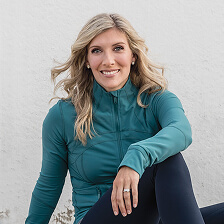



Are you looking for a steady, reliable way to fuel your brain without the inevitable afternoon crash? In this episode, we’re speaking with Devon Price and Brandon Dyksterhouse of Kenetik to break down the science of ketones and how they support mental clarity, metabolic flexibility, and long-term resilience.
While many people associate ketones with strict low-carb eating, you actually don’t need to follow a ketogenic diet to experience their benefits. We explore how drinkable exogenous ketones are a clean, efficient energy source and why they can be useful for everything from enhancing athletic performance and daily focus to healthy aging and brain health.
This episode of Life Time Talks is sponsored by Kenetik.
Devon Price is the CEO of Kenetik. Brandon Dyksterhouse is the head of nutrition at Kenetik.
In this episode, Price and Dyksterhouse discuss the benefits of supplementing with ketones, including the following:
- Ketones can act as a highly efficient nutrient and fuel source that your cells use to produce energy. Our bodies naturally create them as a backup fuel to support our brains when carbohydrates are scarce.
- You do not need to follow a strict ketogenic diet to experience the benefits of ketones: Drinkable exogenous ketones allow your body to absorb this fuel directly.
- Consuming ketones can support metabolic flexibility, allowing your body to efficiently switch between burning sugar and fat. This helps prevent energy crashes and supports clarity throughout the day.
- Unlike caffeine, ketones are not stimulants that trigger the adrenal system. They provide actual energy to your cells without causing a sudden jittery spike followed by a crash.
- High-quality drinkable ketones feature a clean label free of artificial colors, flavors, and sweeteners. Kenetik, for example, uses plant-derived allulose to provide a zero-calorie sweet taste.
- The development of drinkable ketones stems from a science-first approach that was originally funded by the military. Researchers successfully created this fuel to help soldiers maintain quick decision-making and reaction times in extreme environments.
- Ketones help regulate inflammation and activate your body’s natural antioxidant pathways to reduce brain fog.
- Endurance athletes often use exogenous ketones during long events when carbohydrate digestion naturally becomes less efficient. Supplementing with ketones after several hours of physical exertion provides an alternative, easy-to-process fuel source.
- Consistent, daily use of ketones yields better long-term results than sporadic consumption. Regular ketone intake can train your body to use this energy pathway more efficiently over time, rather than building a tolerance like you would with caffeine.
Transcript: How Exogenous Ketones Support Clarity and Resilience (Sponsored)
Jamie Martin
Welcome to this sponsored episode of Life Time Talks. I’m Jamie Martin.
David Freeman
And I’m David Freeman.
Jamie Martin
And in this episode, we are talking all about ketones and how they can help support clarity and resilience. We know that people want to feel clear, steady, resilient. And today and over the long haul, we want them to feel their best. So emerging research is showing how ketones do more than provide fuel. They actually act as signaling molecules that can support cognitive steadiness, inflammation balance, mitochondrial function, and metabolic flexibility, among other things.
This episode, we’re really gonna be focusing on grounding the conversation in the science while talking about how daily ketone intake is a simple, sustainable habit that can really support a long, healthy life. So with that, David, I’m excited for you to introduce our two guests today.
David Freeman
Yes, we have two amazing guests from Kenetik We got Brandon Dyksterhouse. He’s the head of nutrition. And we also have the CEO, Devon Price, in the building. And y’all, just to set the stage, set the stage, what are ketones? And we know that people are constantly talking about them. And what Jamie’s kind of alluded to as far as focus, energy, long-term health are just a few benefits that we hear about in this space. We’re excited to have you both on.
We’ll go ABC order, Brandon, that’s going to be you coming out the gates. What are ketones and why are people constantly talking about them nowadays?
Brandon Dyksterhouse
David, great question. And for the longest time, most people thought that you had to be on a strict keto diet to get the benefits of ketones, but that’s not actually how it works. When you drink Kenetik, you’re giving your body ketones directly, no diet change required.
And it doesn’t matter if you’ve had oatmeal for breakfast or if you’ve had a sandwich for lunch, your body just naturally absorbs them. This raises your blood ketone levels and your brain and body has access to that fuel within 30 minutes time. So if you want mental clarity, the focus benefits, and you have zero interest in cutting carbs, you can just drink it. think Devon, Devon will probably go more into the science side, but for me, it’s like, we have a product now that allows you to open up the opportunity of having that metabolic flexibility just by consuming a drinkable product.
Devon Price
Yeah. Ketones are a fuel source. I like to think of them as a nutrient, similar to carbohydrates or protein or fats. your fuel, your cells actually get, they use them to produce ATP energy. So our, our bodies have evolved over millions of years to use ketones as a backup source of fuel because you know, historically we need to survive. We need to support the, the energy demands of particularly our large brains when food isn’t available. So we convert fat into ketones when carbohydrates aren’t available. So that’s why you feel good when you’re fasting after you’ve gotten over the initial hunger, know, paying part, you feel fresh. Your brain works like it’s supposed to because it’s being fueled with ketones.
Jamie Martin
What’s one of the biggest misconceptions you’ve heard about ketones? I mean, you’ve been doing this a long time, talking about like this nutrient as you referred to it. I mean, Brandon, you kind of said a little bit like, people think you need to go into ketosis probably to have the benefits of them. But what, is there anything else?
Brandon Dyksterhouse
Yeah, generally that’s the biggest myth. When we go to expos or events and we talk about kinetic, people are generally familiar with the ketogenic diet. what ketones aren’t just for people on the keto diet, you know, it’s, it’s where most people have heard of them, but the research on focus and mental clarity that wasn’t done on people avoiding carbs or being carb restricted. It was done on everyday, everyday people eating everyday food. So you think about going to Life Time cafe, doing what your kids do at school. It’s those type of people.
The ketones, you know, they’re doing the work, these changes that Devon’s gonna describe later in the show, that it’s not the diet. You don’t have to change anything about how you feel or how you eat to notice a difference, which is really what makes them remarkable.
Devon Price
Yeah. I’d add that, you know, one of the biggest misconceptions about ketones and kinetic in particular is that it’s just another energy drink in disguise. There’s a real difference between ketones and caffeine or other types of stimulants. It’s, there is no caffeine, no stimulants in kinetic. And the mechanism is completely different. Stimulants work by triggering your adrenal system. So you get a spike and then a crash, caffeine, block sleep receptors, and those accumulate. And when it wears off, you know, they all funnel in and you hit the deck. So ketones actually are again, a fuel source that provide real energy to your cells.
David Freeman
I like how you kind of set that up. You talked about within Kenetik how no caffeine, no sugar. What are some other things that helps separate what Kenetik has within its product versus the other things that are out there?
Devon Price
Well, in addition to the ketones themselves, it doesn’t have anything artificial. It’s a very clean label. There’s no artificial colors. Pour it out and it’s clear. No artificial flavors, no artificial sweeteners. So we don’t use aspartame or anything like that. We use allulose, which is actually a very healthy, low calorie sweetener, it’s derived from plants. So yeah, it’s a very clean, healthy product.
Jamie Martin
One thing that we know that you talk about at Kenetik is that you took a science first approach when you developed it. So tell us a little bit about why that was so important from a philosophy standpoint for you, Devon, when you started Kenetik.
Devon Price
Well, my background is as a scientist. I’m a scientist and engineer. And so that’s just where my brain goes. And I got, I got interested in ketones seven years ago when I started this company, the first drinkable ketones had just been developed by, was funded by the military, a study done between NIH and Oxford. And they were looking for a super fuel for soldiers.
They knew the power of ketones as a metabolite. The problem was we don’t have access to them unless we’re fasting typically or on a ketogenic diet. And that isn’t compatible with most lifestyles, in particular people in the military. they said, what if we could create a drinkable ketone so that we can have carbohydrates and ketones at the same time? And it worked fantastic. It improved performance of soldiers.
One of the studies that they did was in the Arctic where in extreme cold temperatures, your reaction time and your decision-making speed, they fall off very quickly, but supplementing with ketones prevented that degradation altogether. And the other cool thing that it did was it opened up avenues for research into other health conditions like dementia, Alzheimer’s, cancer, diabetes, conditions that are really rooted in metabolic dysfunction. And I got really, I just got fascinated by this and went into a rabbit hole for six months, just reading everything.
And the problem with, and I wanted, and I wanted this to be, I wanted it in my life. But the problem with those first drinkable ketones, the ketone esters, was they taste like nail polish remover. They are super expensive. The first, the first ones were, you know, $80 a serving. They’re still $30 a serving. So they’re still super expensive. So not practical. And so decided to create something that tastes good, that’s cost effective, and that works just as well. my initial interest and the only reason that I’ve dedicated so much time and I have so much passion around this is because there is so much science, so much interesting science around ketones and how it works with your metabolism and all of the potential clinical benefits that come with it.
David Freeman
Yeah, just to piggyback off that, love what you were talking about from the physicality piece of it. So any and everybody from the soldier project, if you will, it’s another great benefit that I want to definitely make sure that we unpack and we somewhat mentioned it earlier. Mental performance. So we talked about physical performance, but the mental performance when we talked about cognitive function and making sure that we’re next level within that space. So I’ll throw it at you, Devon or Brandon, as far as when it comes to the mental focus and clarity, how does it speak to the brain?
Devon Price
Well, ketones are your brain’s preferred fuel source. So if you’ve got carbohydrates and ketones present at the same time, your brain will use ketones first. It’s a very efficient fuel source. And it’s very, very clean. When you think of carbohydrates, they, when you, when you use those for energy, kicks off free radicals, oxidative stress, which damages adjacent cells, leads to inflammation, which leads to brain fog. So ketones, so carbohydrates are like a diesel truck. Ketones are like a Tesla, no exhaust whatsoever. And in fact, they are also a signaling molecule.
So they, not only do they not produce inflammation through oxidative stress, they also regulate inflammation. So they activate your body’s natural anti-inflammatory processes. They also activate your body’s natural antioxidative pathways. So they are, they are a, they give your brain cells the resources that it needs, the actual energy substrate to function effectively. And they modulate inflammation and keep your brain clear.
Jamie Martin
I mean, does that inflammation and whether Brandon or Devon jumping in on this, like thinking about knowing how damaging inflammation is to the entire body, not just to the brain, right? Like are there body-wide effects from that as well or is it mostly brain effects?
Devon Price
It’s body wide. So ketones actually block the NLRP inflammasome, which is the first step in the inflammatory process. So that applies all, you know, throughout your metabolism.
Jamie Martin
Awesome. Okay, so let’s jump on that because you both, you Brandon and Devon, you’ve mentioned metabolic flexibility. So let’s talk a little bit like what does flexible metabolism look like in real life and like how do ketones actually do the work there?
Devon Price
You want to talk about that, Brandon?
Brandon Dyksterhouse
Yeah, sure. I’ll jump in. Well, most of us like we’re very familiar with our primary fuel source and that’s for the majority of the population sugar. That works fine into your blood sugar drops, but then you hit a wall that 2 p.m. We’ve all felt it. We’ve all known it was coming in and it’s a horrible feeling when you’re in it. You know, we we work with a lot of athletes, whether it’s cyclists, runners, you name it.
The dreaded mile 20 crash, the epic bunk climbing up power line. You guys are obviously familiar with, with light bill. that’s your body with no backup plan. When ketones take over, allows your body to get comfortable burning fat as fuel. So it’s switching your metabolism from carbohydrate metabolism to ketone metabolism. So you’re not completely dependent on that last meal to function as a human.
In real life, that means that, you know, we get busy throughout our day. means you can skip lunch and still be sharp at 3 p.m. You can do a long workout. David, you can host a number of classes and you’re not feeling completely cooked mentally. It means getting through your afternoon without having that third, fourth, fifth coffee that so many of us are accustomed to. Your body has more options. We just have to expose it to these options and allow it to be utilized as fuel as a resource.
David Freeman
I think for our listeners, what would be helpful too is, all right, break it down. All right, we have two different options here. We can do the 12 ounce fluid ounce can, or we can also do the shot. When we are thinking about the amount of ketones that are in the can or the shot, what would be optimal within a day’s period? Cause I know the taste was a thing that you spoke on earlier, Deb, on that now is something that is palatable. meaning that I could drink four or five of them, but that might not be recommended based off the amount of ketones that I’m getting within a day. So what would be the recommended amount of ketones within a day?
Devon Price
Well, for general use, at least one a day. But there isn’t a real practical limit unless you’re starting to talk about 15 or 20. And even that isn’t a big issue. mean, a lot of the clinical, we have a kinetic pro line, a clinical version as well that’s highly concentrated.
It’s available through practitioner, through healthcare practitioners only. And many practitioners prescribe 80 grams of ketones per day for people with, you know, conditions where they really need that metabolic support. So for, for you and me, you know, one or two a day, I’ll have one in the morning. I’ll have, you know, to get my brain activated and, and in the flow.
I will have one after a workout, particularly a long workout. I’ll have a, I’ll have a, a can of kinetic after a long bike ride or something, because you know, my brain is taxed. My blood sugar is low. need, and when I have a, when I have a kinetic, I, I don’t end up sitting on the couch feeling like a zombie. I’m ready to go.
So there’s also, so that’s just for day-to-day focus and clarity. There’s also some really interesting research that was published just last year by the National Academies of Sciences that showed that not only for day-to-day clarity and brain function are ketones important, but also as support for brain aging. they found that they, this was a huge study, was a $10 million study. And they looked at 19 million fMRI brain scans from, people from ages 18 to 88. So across the lifespan.
And they found that in the window of ages 40 to 60, your brain ages at an accelerated rate. basically drops off a cliff and that ketones return your brain to that more youthful like state. So the reason that’s happening is because it correlates with HbA1c elevation. So glucose sensitivity decreases as we get older and our brain can’t use glucose as effectively as an energy source. So essentially our brain cells are starving. Ketones close that gap because they are so easily used by your brain cells.
From a longevity, a health span perspective, keeping your brain cells fueled keeps them young. And so the follow-on study they did, it was an animal study, so it’s preclinical. But what they found in mice was that supplementing with ketones in that window, that middle age window actually delayed or prevented altogether dementia and Alzheimer’s. those conditions begin 10, 15 years before symptoms show up. it’s related to a brain energy metabolism deficit. You’re not getting enough energy. Your brain cells start to decline and that progresses over time into what a lot of people call type three diabetes, Alzheimer’s. So maintaining mental energy, maintaining your your brain’s fuel source on a daily basis throughout your life is really important to, you know, health span and longevity.
David Freeman
Jamie, I saw you about to ask the question. I just I want to confirm it. So two a day is is okay. Is there a limit is also what I keep going back to. And if so, what would you say, hey, maybe don’t go over 40 grams like that’s that’s what I want to make sure we also advise or at least give insight to the listeners.
Devon Price
Six. Six from a FDA regulatory standpoint, that is what we are approved up to. That’s what the data, the research supports.
David Freeman
Okay, and the can holds 12. So that would be 72. You would not go above 72. 72 would be pushing the limit there.
Devon Price
Yeah.
David Freeman
Okay. Okay.
Jamie Martin
Got it. Well, I was just going to talk, I mean, I’m just thinking about this, everything happening in the brain. We’ve done a lot of coverage at Experience Life magazine on cognitive health, on Alzheimer’s, Parkinson’s, all these things. We talk a lot about like that low level inflammation that often is happening in the brain that can, it’s like a brush fire, they say, that it can become a fire, right, and lead to longer or bigger issues.
And I’m just thinking about like the cellular repair piece of this, because I do think you mentioned earlier like, preventing the oxidative stress and that, I mean, that is cell damage that’s happening versus the cell repair. So Brandon, maybe you can speak to that for a moment. how does like, how do ketones help with that? Like getting right down to that cellular level, cause you don’t, mean, there’s so many things where like, almost seems too good to be true, but like there are these little, these things that can help with that to the point that you made about antioxidants, Devon earlier.
Brandon Dyksterhouse
Sure. Well, I just want to touch on one thing before we move forward and how it relates to athletes. And so I got involved in the exogenous ketone space in 2019 when we were selling ketones to the world tour. So think Tour de France riders. And these athletes are typically putting 20, 30 upwards mid thirties of hours of training on their bike.
And what we’ve learned, at least from that population, we see it in bodybuilders and so on, that they’re usually the early movers before the science catches up. And a lot of these athletes, they were noticing that in hour one, their body was very efficient in absorbing and digesting carbohydrates. Hour two, little less efficient, hour three, so on and so forth. And if you were to look at that metabolic curve of distribution between burning glucose and burning ketones. Early in the event, athletes were primarily 90 plus percent burning carbohydrate. Really efficient, really powerful. you think of a sport where an event that has a fast start, you want that high octane fuel. It’s when you get in these longer distance events, three hours, four hours, five hours, you’re racing Unbound at 10 hours, know, halfway through that event, four to six hours, your body is starting to burn carbohydrates at a much less efficient rate. And that’s where these exogenous ketones really are beneficial where athletes, we’re working with athletes at hour four, that’s when they start to supplement into their routine because they know they’re starting to have some glucose deficiencies and ketones just work so well in that state. When you have that inflammation, they’re easy to process and they have that clarity on board. Just wanted to bring that up before we move forward.
Jamie Martin
Absolutely. Yeah. I mean, I just think about even those athletes, whether it’s somebody who is in their 40s and 60s and they’re seeing that brain decline or it’s an athlete who’s pushing their body and that we do know that that has the effect, the wear and tear on the body too, right? So if we get back to that idea of cellular repair, like what is the role of ketones there?
Devon Price
Yeah. So cellular repairs, really, it’s an emerging area and I want to characterize the science accurately. What the research suggests, and this is still earlier stage mechanistic work, that ketones support the body’s cellular maintenance systems, autophagy, including how cells clear out damaged components and renew function. You know, the practical takeaway is that ketones might be supporting your biology at a level beyond just fuel and immediate performance. That’s why, that’s part of the reason the longevity angle is so compelling. The research is still young, but it’s pointing in a really exciting direction.
Jamie Martin
That’s awesome.
David Freeman
Devon, I can speak to our Frisco location as far as so many people have been just in flocks of folks going towards Kenetik and in the shot shot more specifically, usually early in the morning, coaching the five and the six AM classes and within the benefit of what they’re doing within that shot, a little bit more concentrated, but so many of them, I would say three weeks, four weeks out talking about a lot of the mental clarity, a lot with their performance throughout the day. So what variance, if any, if you can share is the difference between the shot versus the 12 fluid ounces.
Devon Price
Yeah. So the shots are, you’re getting a concentrated dose very quickly. I’ve noticed personally that the shots are, I mean, I, just noticed the effect more acutely with the shots. And I think it’s because you’re getting a more concentrated dose. ⁓ it’s interesting that you say, and it’s interesting that you say that over, over time, two, three weeks, people are realizing that, wow, this, you know, is making a huge difference for me. For a lot of people, it can take a little bit of time. It’s very different than it’s the opposite of caffeine, where you develop a tolerance and it works less and less over time. more and more ketones are the opposite. The more you drink them, the better they work because your body’s developing those metabolic pathways to actually use them more efficiently. They become — this is where the metabolic flexibility comes into play because you’re using them. Uh, your body learns how to use them better. Um, so, so yeah, the, the effect builds.
Jamie Martin
Well, and that actually just takes us right into the next thing because what you’re referring to is consistency versus like sporadic use, right? And why is that? Why does that, like you’re explaining why that matters here. mean, do you think, you know, is it taking for three weeks would you say like, this is just part of your regular routine? Like we’re gonna do this on an ongoing basis every day. Because I do see like, I’m a kind of person where like I’ll have one one day and I’ll skip a day or two and then I’ll take another one. Like, is that gonna help me or not?
Devon Price
It’ll help you in the moment. Sure. You know, if you’re feeling foggy and, and you want to, you want your brain back. Yeah, it’ll help you in that moment. Yeah. Over, over the long run, you know, the, the, signaling benefits, the metabolic balance and health benefits are really best if you’re consistent with it. Right. Because it’s a source of fuel that you use and then it’s gone. So if you want a consistent source of fuel for your brain, because you’ve got a brain energy gap, because you’re in midlife and, and you’ve got a glucose bottleneck, then yeah, you want to, you want to provide that consistent source of energy so that your brain works optimally. Additionally, the signaling benefits, ⁓ are present when you’ve got ketones in your system. So, the, you know, the inflammatory support, the antioxidant support, all of that comes from consistent use and that those benefits build over time.
Jamie Martin
Well, I think David, it just goes back to what you and I talk all the time about on this podcast with so many guests. It’s like the, you know, be consistent. You have to practice, right, for it to become a habit and all these pieces. it’s one of those things. It’s just like you’re how you work out. You’re not going to work out one day a week, you know, and think you’re going to get good results, right? Anyway.
David Freeman
Reps matter. I mean, it makes me think and once I want to ask the question too, we have so many different ways of like measuring progression here. Like I use the example, we got like a metabolic test, allow us to know, you know, what our VO2 max is and how efficient we are at burning fat versus carbs. just within your background, Brandon, you could chime in on this too. Is there a way that we can do maybe a baseline cognitive test?
And then, you know, let’s say three months later, come back and actually see how I’m more cognitively like efficient or better in this space. Is there a test out there that can measure that?
Devon Price
It’s funny. It’s a, that’s a great question. cause I love measuring things. We literally work, we just built internally a test and we’re going to launch it on our website. iI’s a strip test. It’s a standard test that you measures, you know, mental reaction time. So we’re going to, we’re going to be experimenting with that, and make it accessible to everybody, assuming that, you know, once we get the bugs worked out, but that could be a cool way to do it. We’re also, that reminds me of an interesting case that we’re working with right now. Matt Hughes, I don’t know if you’ve heard of him. He’s a UFC fighter. was a time world champion. you know, he was, if you’re a UFC fan, know, Matt Hughes, because he really helped to build the sport. But he in 2017 was hit by a train. was crossing the train tracks in his truck and the train hit his truck and he suffered severe, traumatic brain injury. Like, the worst, the worst kind he was in a coma.
A lot of people didn’t think he was going to come out, but he’s a fighter and he came out of it and he’s recovered pretty significantly compared to what everybody thought would happen. He still struggles with speech and balance and emotional regulation, but his recovery has plateaued a bit. We connected with him and said, know what, think we’ve got something here that might, might be able to help you out. And we brought him to the Gray team, which is a veterans organization we work with in Boca. They work with veterans who are at risk for suicide and have a world-class brain health center down there. And so we did some brain scans with him and measured before and after drinking ketones. The before scans, using a Wavi, it’s a QEG scan. So it measures brain activity. The before scans measured almost none. It was, the overall brain voltage was very low. 45 minutes after drinking Kenetik, it was off the charts.
If I could show you this, I have an image of it. If I could show you that, you would see, you know, a dark image of a brain in and a bright red image of a brain. The difference between a non-responsive and a fully active brain. It’s incredible. So yeah, just turn the lights on because again, his brain cells now have the resources that they need to work because similar to as we age in, with traumatic brain injury, there’s a glucose metabolism bottleneck and ketones overcome that. They go right past that bottleneck and fuel your brain cells. so we’re working with him over the next six months. He’s on a protocol of Kenetik daily and tracking his progress. So exactly to your point, can we measure the before and after?
We’re doing that with him. He goes through a number of standard cognitive and evaluation tests. And so we’ll be tracking that as we go. And the hypothesis is that with adequate resources in his brain, recovery will improve and that, and that those tests will show it just in the day that he was with us. He was like, yeah, I feel smarter. And anecdotally, he does, he does, uh, he tests himself every day. He, asked himself, what did I eat for breakfast yesterday? You know, similar questions like that. And he’s already noticed that he’s having a much easier time with, you know, a short-term memory recall. So yeah, it’s pretty profound. It’s really cool.
David Freeman
No, that’s real cool. And just knowing like, I’ll speak candidly as far as like my father’s had two, I think it was two or three strokes. And then just knowing like his fast score and just speaking to my mom and she was talking about how like he’s in the mild stage and like core memories and all those things are things that he’s used to from a structure standpoint, like coaching and all that is like second nature. anything that like numerical math, things like that is kind of like not clicking.
So I’m just, when you say that, obviously I’m selfishly thinking of him, but I’m also thinking of other individuals who have any kind of brain trauma or strokes or anything like that of how this could be a great benefit to them. So that’s interesting for sure.
Brandon Dyksterhouse
David, we had a coworker whose father’s had dementia for the past 30 years and he had childhood seizures when he was younger. And recently we had her give him some Kenetik pro. And it was the first time in three decades that her father was able to recall a childhood memory of her and her sister. was literally the most transformative moment to witness change like that after so much time to see improvement like we’re seeing in Matt Hughes and others. It really gives us hope that there’s opportunity even, you know, we actively support athletes post-concussion. That’s one area we’re really looking into, but we’re starting to learn that we’re able to even make change years and even decades after the fact.
Jamie Martin
Well, to that point, I mean, obviously we’re talking, there’s the daily use for the everyday person like myself or David or any of us here, but you mentioned the pro and you mentioned earlier, we are doctors on the clinical usage side that are doing this. So you mentioned TBIs. What are some of the other like metabolic dysfunctions where doctors might be like almost prescribing it clinically for people?
Devon Price
I’ll give you another really interesting kind of case that’s close to us. As a general answer, it’s for really anywhere, any condition that has a metabolic or cellular dysfunction at its root. So Josh, he’s our head of sales and he came to us because he had an experience with his daughter in kinetic.
His daughter has a rare condition called PDCD. It’s childhood condition and she is not able to metabolize glucose or protein effectively. Three years ago, was at the end of her life. She was, and our doctors didn’t have any other tools in their toolbox. said, you know, it’s time to start planning for her funeral.
There’s nothing more we can do. They put her on palliative care, pain medication, use her passing and she, and Josh didn’t give up at that point. Josh is an incredible human, by the way. And he found Kentik. He and his wife found kinetic and started giving it to Lily four times a day. A week later, her blood tests came back normal.
Her organs were no longer failing. She was off all of her pain medication and she, three years later is now in school and she’s developing at three times the rate of a normal child her age. She’s in catching mode. Having, so those are the types of stories that really keep us going. I mean, it kinetic and ketones are really good for everyday performance and for, for, you know, maintenance of long-term health, but they can be life giving in many cases. So I’m excited about the potential of, of ketones in general, in the clinical space, it’s still early, you know, they, in order to really establish them as a standard of care, a lot of research, human clinical trials need to be done. And that’s in progress right now. But the types of conditions that are very promising are in addition to traumatic head injury, stroke, cognitive decline, mild cognitive impairment, Alzheimer’s, my dad has Parkinson’s, he uses it. That’s a similar degenerative condition that comes back to brain metabolics. And cancer is another really interesting one as well, that there’s a lot of research going on with right now because cancer cells, they use glucose to survive. Typically, cancer cells cannot use ketones as a source of energy. as an adjunctive therapy to traditional chemo and radiation, ketones have been shown in many cases to improve those outcomes, reduce the side effects of those side therapies as well.
Part of that comes down to the fact that ketones actually lower blood sugar levels. And when you’re going through a cancer treatment, you want to keep your blood sugar levels as low as possible. a lot of physicians prescribe a ketogenic diet, just carbohydrates out altogether. Kenetik exogenous ketones is a really helpful tool in that process because it lowers your blood sugar. You can actually see it if you wear a continuous glucose monitor, you can see your blood sugar go down, but it offsets that with clean source of fuel that cancer cells can’t use. there are lots of exciting kind of, there’s a lot of exciting potential in the clinical space.
Jamie Martin
Yeah, it seems like an area we’re just going to continue to be watching and hearing more about in the coming, you know, months and years probably.
Devon Price
Another area, yeah, I think so. I absolutely believe that. Another interesting use case is for women in menopause, pre-peri and post-menopausal. So there’s a direct relationship between estrogen and glucose metabolism. after menopause, estrogen levels can drop 90%.
And it completely changes your brain’s relationship with glucose. You develop that similar glucose bottleneck. And the number one symptom that women report menopause is brain fog. And so there’s a lot of research, new and emerging research that connect the two that decrease in estrogen, decrease in brain or glucose metabolism and ketones again bypass that to fuel that starving brain when it doesn’t have access to the resources it needs. So that’s another really exciting and important use case as well.
Jamie Martin
Absolutely. All right, David, I’m seeing you’re about to say something. I can see it.
David Freeman
No, no, I mean, I know we covered a good amount. We covered a good amount. is there anything else that you want to leave our listeners with that we did not hit on?
Brandon Dyksterhouse
I think the question we often get, it’s like, how do I get started? It’s simple, right? Like start with a can, start with a shot. Take it in the morning when you wake up or take it during your most demanding part of the day. It’s like Devon has already mentioned, it’s not a stimulant. So don’t expect to get a jolt like you would from coffee. What you’re going to feel is much smoother, much quieter.
Think about the times during the day when you start to lose steam, that 2 a.m. crash, more focused, are you able to do work while keeping the focus, keeping the distractions out? That’s where we really see the benefit to ketones. Some people, they’ll notice it when they take it on day one. Others, it will take a week or two to start to see these patterns. But when it clicks, it’s super steady energy.
Instead of these peaks and crashes, you’ll be sharp later in the day when you’d normally be fading. That is why we love it and the biggest benefits we’re seeing with the product.
Devon Price
Yeah, that’s well said.
I was just, I was just at a meeting, sort of an all day kind of offsite with a colleague of mine. was like, you know, I, I, I was introduced to ketones through cycling. He’s also a cyclist. He was like, I had no idea that you can, you know, that these are good, you know, on a daily basis, but now, you know, I can’t, I can’t get through my afternoon. I don’t want to get through my afternoon without it.
I used to not want to lunch because it slows my brain down. Now I just have a Kenetik afterwards and I keep going.
Jamie Martin
That’s awesome. All right, David.
David Freeman
Yeah, it’s mic drop moment time. You ready for it? Okay. Five years from now, where do you want Kenetik to be positioned in the health and fitness industry?
Devon Price
Yeah, five years from now, want Kenetik to be a, and ketones in general, to be, you know, recognized in a similar way that protein is recognized now as, you know, an important part of our nutrition strategy.
Jamie Martin
Brandon.
Brandon Dyksterhouse
I tell Devon all the time and anyone who will listen, think ketones have the opportunity to be the single most significant beverage in the history of mankind. I know it’s a huge statement, but what we’re seeing in the research, what we’re feeling anecdotally, it’s just, they’re so transformative. They’re so special. And we’re just, we can’t share this with enough people.
Jamie Martin
Well, thank you. I mean, we had one of your doctors not it’s like I know her name and this is where I’m like, I need a Kenetik right now because it’s her name is not coming back to me right now — yes, Dr. Yurth was here with us and she was fantastic. That’s been one of a really highly listened to episode. And so just thinking like if people want to learn more kind of like she’s like she really got into the weeds with us on all of the things with the with the ketones as well there. So we want to point people to that episode.
We also want people to know if they want to learn more about Kenetik, they can visit drinkkenetik.com. It’s K-E-N-E-T-I-K is how you spell that. And you can learn more there. Anywhere else you would point people to, Instagram, any of the socials.
Devon Price
Yeah, you can find our Instagram, BeKenetik on Instagram.
Jamie Martin
Okay, cool, perfect. Well, Brandon, Devon, thank you both so much for joining us. We’re so happy to have you.
Devon Price
Thanks for having me.
David Freeman
Appreciate y’all.
More like this


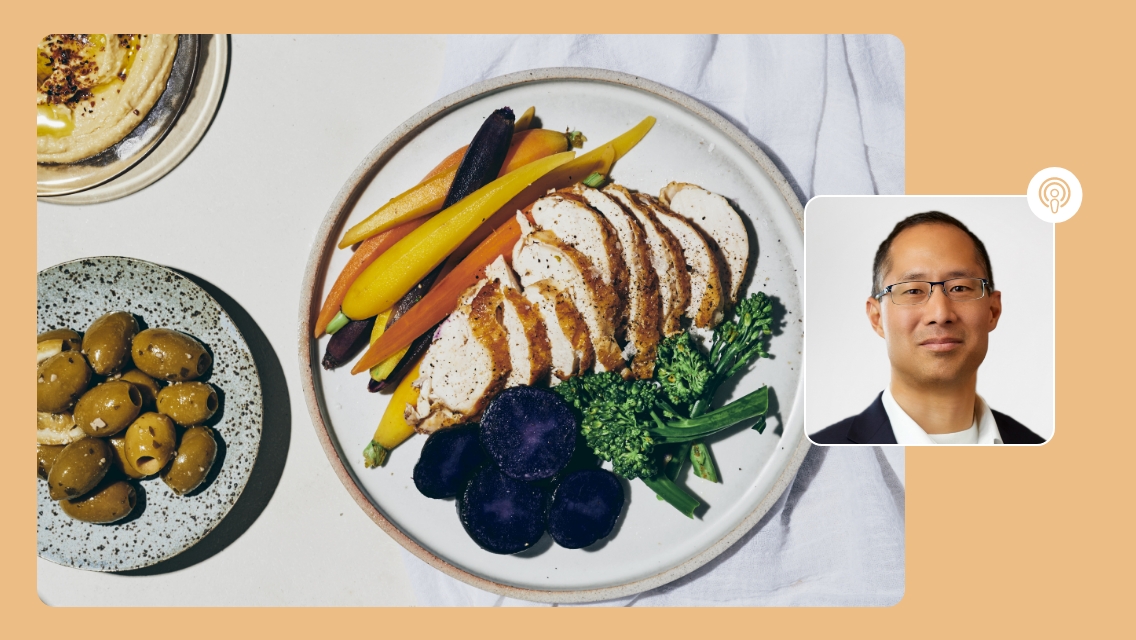
Talks — S7, EP3 / How to Keep Your Brain Healthy as You Age
Our brains age just like the rest of our bodies, and just like it’s important to care for our bodies so we can move functionally well for as long as possible, it’s also essential to do everything we can to maintain and support healthy brain function as the years pass by. With the current absence of effective treatment options for most neurological diseases, prevention really is the best treatment for them, and it’s never too early — or too late — to start. Edward Park, PhD, explains what to know about normal and abnormal brain aging, as well as the lifestyle strategies we have control over to support our brain health and help reduce the risk of decline and disease.


We’d Love to Hear From You
Have thoughts you’d like to share or topic ideas for future episodes? Email us at lttalks@lt.life.
The information in this podcast is intended to provide broad understanding and knowledge of healthcare topics. This information is for educational purposes only and should not be considered complete and should not be used in place of advice from your physician or healthcare provider. We recommend you consult your physician or healthcare professional before beginning or altering your personal exercise, diet or supplementation program.
Life Time provides administrative, non-clinical support to MIORA as well as services and amenities related to general wellness and fitness; Life Time does not provide medical advice, diagnosis, treatment or care.
Advertisement