


Check the Box: Bringing Awareness to Prostate Health
Gain practical, empowering guidance on prostate cancer awareness, PSA screenings, and the life-saving importance of early detection.



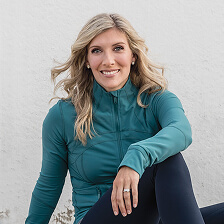
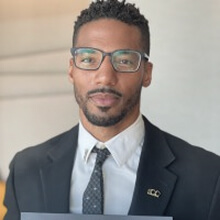
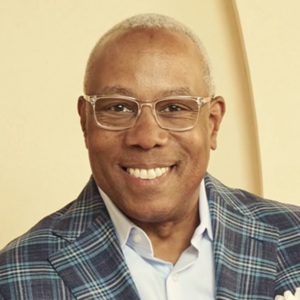

Taking charge of your health starts with having the right information, and when it comes to prostate cancer, early detection is your greatest strength.
In this episode, Jay Harris, ESPN anchor and prostate cancer survivor, and Nancy Liberman, basketball hall of famer and prostate cancer advocate, break down what you need to know about regular PSA screenings and why getting tested is a simple step that can save lives. With one in eight men diagnosed with prostate cancer in their lifetime, this conversation offers practical guidance, urgency, and empowerment for anyone looking to take control of their health.
Jay Harris is a longtime ESPN anchor and host.
Nancy Lieberman is a two-time basketball hall of famer, two-time Olympian silver medalist, BIG3 head coach, and founder and president of Nancy Lieberman Charities.
In this episode, Harris shares his personal experience with prostate cancer, while he and Lieberman both speak to the importance of early testing. Insights include the following:
- One in every eight men is diagnosed with prostate cancer, and one in six of those men are Black. The diagnosis rate for prostate cancer is on par with the rates for breast cancer in women.
- Early detection of prostate cancer improves the survival rate to 99 percent.
- PSA (prostate-specific antigen) can be screened through a blood test. Men should begin regular PSA blood tests at age 45, or age 40 if they are Black. If there’s a family history of the disease, earlier screening is better.
- Prostate cancer can develop quietly without any noticeable symptoms, making proactive testing essential.
- Black men are disproportionately affected by prostate cancer, facing diagnosis rates that are 2.5 times higher than those of white men.
- Make sure your physician explicitly includes the PSA test in your annual bloodwork; it’s sometimes left off standard panels, and you may have to “check the box” for it to be added and screened.
- You don’t have to face a diagnosis alone; open conversations and shared experiences make navigating treatment and recovery easier.
- If you struggle to schedule medical appointments for yourself or are afraid to go to the doctor, remind yourself that you’re doing it for your loved ones to ensure you can continue to be there for them.
- Getting a PSA screening is a sensible, empowering choice that puts you in control and can ultimately save your life.
- Visit the Prostate Cancer Foundation to find information, advice, and supportive networks.
Transcript: Check the Box: Bringing Awareness to Prostate Health
David Freeman
Welcome back to another episode of Life Time Talks. I’m David Freeman, and we got some special guests here today. Men’s Health Initiative around prostate health. Mr. Jay Harris, longtime sports center anchor at ESPN. Spent more than two decades delivering sports stories to millions of viewers. A native of Norfolk, Virginia, graduate of ODU. Old Dominion University, Jay began his career in local radio and moving into television and news and sports broadcasting. Off camera, he’s a proud husband, father, bass guitar player, and dedicated supporter of community and youth initiatives. Welcome, Jay.
Jay Harris
Thank you, bro.
David Freeman
Yes. Last but certainly not least, Miss Nancy Lieberman, basketball legend, two-time Naismith Memorial Basketball Hall of Famer, Olympic silver medalist, a championship, winning the big three as a head coach. Over decades in the game, as a player, coach, trailblazer, she has broken barriers and helped shape the future of basketball while mentoring the next generation of athletes. Off the court, her foundation has built more than 140 dream courts, impacting millions of kids across communities nationwide. Welcome, Nancy.
Nancy Lieberman
Thank you, Dave. Appreciate you guys. I just before we start, I just want to thank Life Time. Everything you’ve done for me and how you care about people. And when I come to you with an initiative, you always say yes. So thank you just for putting your arms around us. This is really important to me. So Jay and I have been friends, it seems like for twenty —
Jay Harris
Twenty, thirty you know what?
Nancy Lieberman
I was a child when I first met him. Yeah, so we’re both old Dominion Monarchs, but it was that we met when we were both working at ESPN and we’re inseparable. I mean, we get on phone calls and we’ve been doing this for years and we just we’ll be on the phone like for an hour and we right talk about everything everything. Everything and for years we joked around, we should, this should be a podcast, you know, for what we’re doing and how we’re talking about it. And I got this phone call from Jay maybe nine or so months ago, a phone call that I didn’t expect to hear. And it says, Nancy, I’ve been diagnosed with prostate cancer. And my brain was like, No, no, you’re big, you’re strong, you’re you cannot be sick. And I think s you know, Stephanie was on the line with his wife, and I just I had a hard time metabolizing the —
Jay Harris
My my other wife. I have two. Yeah.
Nancy Lieberman
Stephanie calls me your cancer wife. I love her, by the way. So it hit me, it hit me really hard. And those of you who know me, I’m like Big Mike on the Blind Side and I have protective instincts for people. So I called a friend who was on the board, is on the board, Neeland, and I said, What do I do? What do I do?
And it’s important for me to give you this context. for where we are now here and he introduced me to Gina Carithers the CEO we talked two or three times during the summer I flew out there September after big three and I’m like okay what do I not know how can I help and she starts talking about research and all this other stuff which is so vital and raising money for that and I’m like Gina that doesn’t really metabolize with us, we need to know, we the people need to know what we’re dealing with.
And sometimes like me, I don’t understand. I know research is important, but how is it affecting me now or Jane now? And she gave me a couple numbers. She said, one in every eight men will get prostate cancer. And I was like, you gotta be kidding. She said, Nancy, one in six will be black. And again, I got kicked in in the gut again. And I said, What do you mean? It’s so two and a half times black men to white men will have prostate cancer. And I was like, How can that be? And so what happens is if you’re 45 or so years old, you got to get tested as males. If you’re you have this in your family, and if you’re black, 40 years old, if it’s somehow in your family.
And I said, so what can I do? How can I help? And she said, Nancy, so I said to Gina, I said, what are we doing for black black America? And she goes, Nancy, I can’t get in those those doors. And I looked in her and said, I can knock down every one of those doors for you. What do we have to do? And you know, I came back, right, and shared with you and we can get into the the check the box, but They were there. So with that, the Nay Smith Basketball Hall of Fame, I called our CEO, I’m on that board, and he said, Yes. So Martin Luther King Day, we we had a big event, half court at the Basketball Hall of Fame with Gina and Jay, and I was like you, I just moderated. Then the NBA Players Retired Players Association, Jay came out for All-Star and talked to a lot of the guys about.
You know, if you’re in the the hall of fame, you’re old. If you’re in the hall of fame, you’re by and large a black men. So Jay and Gina were just incredible. Now we’re going to to do this today. And during the big three season, Ice Cube, by the grace of God, has said not only will we push out the message, Clyde Drexler is gonna do a PSA, we’re gonna have free testing for 10 weeks in a row in every city that we play. Almost like remember when you got swabbed for COVID. And Ice Cube said you don’t even have to have a ticket to the game. We wanna come to your city and we wanna get you tested. And came back to Jay with this information. And Jay’s story is amazing. So Jay, I’m gonna let you just take it from from here. But I do wanna say one thing before you go. if prostate cancer is detected early, it’s a ninety-nine percent chance you’re gonna live a a great life. But once prostate leaves what once cancer leaves the prostate and metastasizes in your blood and your bones and your organs, it’s not going to be a happy outcome. So you’ve got to get screened. prostate cancer is jumping 4.8% per year. And Jay, you you’re living it and tell your story, please.
Jay Harris
First of all, I had no symptoms. I feel then like I feel now. I feel good. Feel healthy. There’s absolutely nothing wrong with that. I went to my annual physical November 2024, got blood drawn. My PSA numbers came back high. We checked my PSA because my dad had prostate cancer.
You know, you fill out your medical history form. Does anyone have cancer? My dad had prostate cancer. So we we watch it. my numbers were high. My doctor said, I’m gonna send you to a urologist. went to the urologist and Have y’all seen the Super Bowl commercial with the the tight ends, the the the guys, you know, you don’t have to you don’t have to get the the finger in your butt to prostate exam. It’s a blood test. Y’all seen that, right? Okay. y’all are kind of squeamish when I say get the finger in your butt.
But I’m I’m I’m very graphic and I share and I don’t care. You know why? Because y’all need to hear it. People need to know. And I need to be as transparent as possible. So I don’t mind sharing. So she gave me the finger test and didn’t like something like that. I’m gonna see you get an MRI. Got the MRI, the MRI came back and said, Yeah, you you have cancer. So then it was a biopsy to really confirm the MRI, and the biopsy confirmed that I had cancer. after the biopsy, once we settled on where we’re gonna get the the treatment done, I had to get a PET scan. That scanned my entire body to see if the cancer had spread outside of my prostate, somewhere else, like Nancy was just talking about. And I remember getting the results back in my in my email, my little health thing, and I didn’t want to open it. I didn’t open it because I was afraid. And I wait, I was gonna wait till the nurse called. And she called, which I knew she would, and she was very happy because it had not spread. Then I opened my email and I saw, cool, it had not spread.
I had two options, radiation or surgery to remove my prostate. And I talked it over with my doctor, and he’s like, you can do the radiation, and both procedures have pretty much an equal outcome of success. If you do the radiation and God forbid it comes back, it’s very difficult to treat it surgically then. If you do the surgery and something comes back. We can hit it with some targeted radiation and and hopefully you’ll be okay. Based on that information, we chose surgery to remove my prostate.
And that was on June the 10th, and it has been nine months. The surgery went well. I had a catheter for nine days until I took it out. And my friends were like, You took the catheter out? I said, Yeah, because I wanted the story. I just I just wanted the story. It wasn’t that bad. It was pretty easy, to be honest with you. my wife, my wife coached me.
She watched, and it’s like, it was it was, I’m not lying, it was really easy. And all my friends who are going through this go, you’re something’s really wrong with you. It’s like, no, it’s really easy, trust me. and I have been, I took four weeks off from work, and I feel really good. Now, with prostate cancer and with the surgery or the radiation, you have different things that can happen to you. two things are most prominent. one is the incontinence issue and the other one is erectile dysfunction. and I was pretty good with the incontinence thing. I I always joke my stop start game was pretty strong early after the surgery. It’s it still is, although you have to go bar. I’ve noticed that.
The er erectile dysfunction part, it it is real and it has Especially if the doctor’s not able to save all the nerves that surround the prostate and he had to go pretty close to one side. So I’m just now getting back to closer to normal. But that’s just part of the deal. I was having a conversation with a buddy of mine at work who, after I had my surgery, had the same surgery and we were just talking about it.
And he’s like, you know, all these things that I’m I’m going through, my other alternative is to ignore it and I’m just not here. I said, Yeah. That pretty much is your only other alternative. Either you treat it, you take it seriously, or you potentially die. So it’s your choice.
And it’s like you need to think outside of yourself. Which is why I’m so open and graphic, because we as men, we don’t like talk. We don’t like talk about health. We don’t like y’all, lady the ladies, y’all are fantastic. Y’all will get with each other, you will talk, you will share, and we need to be more like y’all. ‘Cause it It’s we are dying. Nancy gave you the numbers. And we don’t have to be. We don’t have to die. We don’t have to suffer through this. We d we just don’t. And then we get to today. And if if I can fill in any more blanks during this conversation, I will. But that’s pretty much my story.
David Freeman
Yeah. And I asked the question. So yeah from the PSA that you were talking about, can that actually be normal and still something be present as cancerous? ‘Cause I know people can go get the blood right now, come back with a normal PSA, is is it something more they should test beyond that?
Jay Harris
The PSA is the marker. I mean, if it doesn’t show, chances are no one’s gonna be really invasive to test you. And I don’t even I don’t even know what that would be. Because there’s nothing, yeah. I mean, you could get an MRI and it could see something, and maybe you could get a buy. I just don’t know. Okay. but the the the PSA is the thing. And yes, because interesting that you said that. My P my dad had prostate cancer, like I mentioned, and my PSA. as I go back and look at my health records, had been slowly rising. Now part of that’s due to age. Right. and part of that is due, like if you if they’re if you have sexual activity the night before you get your PSA test, your PSA is probably elevated. So there’s there’s that too. but my PSA had gone up a little bit. And I wonder the previous year, did I have cancer when my PSA was creeping up? I probably did. I don’t know, but I probably did. So the only way to, even if you you have a low PSA, there may be cancer there, but you have to get the PSA check to even have a baseline to know.
Nancy Lieberman
Yeah, and and the PSA is the prostate specific antigens. And one of the things that we have learned is that I believe it was 2001, there was one percent of men who had prostate cancer. And you can fact check me. It was like, why are we doing this with insurance? It’s really not a big factor for men. And I think it was about 2011 where they took it off your insurance. And it has skyrocketed ever since. So you have to advocate for yourself or you know, the the women, the grandmas, the daughters, the sisters, and make sure the doctors check the box, the PSA box, because like when we go for blood tests, and that’s the one the other thing, it’s a simple blood test. And you’ll be able to get your numbers and understand where you are.
And you know, Gina Carithers cannot be with us today. And she I mean, she put on a master class at the the Basketball Hall of Fame. So she gave me some notes and I just want to reiterate a couple things. this is coming from Gina. First of all, as we said, one in eight men will be diagnosed with prostate cancer in their Life Time. It’s the same rate for women as who have and get breast cancer. For men, that will increase to 1.6. So we already talked about 2.5% more black men. In tw in 2026, an estimated 333,830 US men will be diagnosed with prostate cancer. About 36,320 will die from this disease. And that’s roughly one new case every 1.5 minutes. And one death about every 15 minutes. And this is how aggressive this cancer is, especially with men.
And as I mentioned, prostate cancer has risen 4.8% over the the last year. So she talks about early prostate cancer is highly treatable and curable, 99% when caught early, simple screening, early detection, prostate cancer risk increased. Increases with age. So you might think it’s not going to affect you, but it can. So ex experts recommend that all men should begin PSA blood test screenings at 45, as we as I mentioned earlier, men with a history of prostate cancer and black men who are at higher risk. you need to get that at at least 40. Please don’t wait. After years of decline, you know, prostate cancer is on the rise, as you heard from the numbers that I have shared. And what happened was I started to do some research again because of Jay, and I couldn’t believe just in basketball how many men had prostate cancer. So he gets it.
One of my friends, my first boyfriend, older minion in college, Tommy Conrad, he had prostate cancer. Then a couple months later, Michael Ray Richardson, who was a four-time NBA All-Star, when I played in the United States basketball league in nineteen eighty seven, because there was no, you know, W, I had to play in a men’s league. Michael Ray Richardson, four time, like I said, All Star, played for the Knicks and the Nets. And he was my teammate. in the USBL and he he died and about four months ago I spoke at his funeral. He was so healthy. again, all these people that were so healthy.
Then I found out that Alonzo Mourning had is a survivor of prostate cancer. So I called Alonzo and I said, What do I what do I need to know? The same thing like I asked Jay or Gina. He says awareness, knowledge And you gotta get tested. So the way I took in the information, you gotta run the offense, you gotta execute the offense, but at the end of the day, you have to score the bucket. The bucket is getting the test. It doesn’t matter, we can have Life Time open up this incredible you know men’s health initiative today for all your your your your clubs and members and you know The guys and and gals at work, you know, the trainers. If you don’t get tested, everything we say to you, all these numbers. Don’t mean nothing. It means nothing.
So so here’s what happened for me. I go to vote like four months ago. And you know what happens when you vote? You walk out and they peel that thing and they slap it on your chest. I voted. So I’m a little tricky bird. And I went, my gosh, I got it. And I called. Tracy from my office and I called Gina and I go, I have it. I have it. And they’re like, You have what? I go, check the box. you know, Nike has their swoosh. We have to have an identifier. So we created this check the box initiative that’s going all over the world. And this one was the Hall of Fame and you know, PCF, Prost Prostate Cancer Foundation. Check the box right here. We have to save lives together. We have to to get tested and screened, and then we can save lives together. And I think I called you and I was like so excited, probably too much for you. But I was like, Jay Day, I got this, blah blah blah blah. And then they finally got this right. So
Jay Harris
I welcome your enthusiasm. Thank thank you. I it’s it’s it’s been fantastic to watch it. I appreciate it.
Nancy Lieberman
But so we we go to the Hall of Fame. What hit me with the hall was there’s this group of men, Mocha, men of color health initiative. I our Alliance. I I I didn’t even know there was a group of these incredible men in right, you got to talk to them. A lot you guys are scared. You need support, you need information. Gina
Jay Harris
Nice on In Springfield, Massachusetts.
Nancy Lieberman
Like I said, she put on a master class.
Jay Harris
Can I piggyback off for you the support thing? Because ESPN is owned by Disney and we’re affiliated with ABC, I I was presented the opportunity to go on GMA and talk about this. at first I wasn’t sure about doing it because I didn’t want to appear like this dude just wants sympathy or whatever, blah, blah, blah. And my wife is like, No, I don’t I don’t think so. I think people will see it and especially the women will watch it because it’s a different audience than ESPN and they’ll get their husbands or significant others to to go get tested. And she was right.
I was I I I talked to Michael Strahan, we had a good chat and got the message out and turned my phone on when we got back in the car to go home, and it just blew up. It had just like text messages from people like, How do you how who how do you get my number? DMs on Twitter and Instagram, people just like with support, or I had the surgery two months ago. Here’s my number, call me and I’ll tell you about it. Or I’m having the surgery after you. So let me know how you’re doing and I’ll let you know how I’m doing. It was that kind of a thing. Support. I was introduced to an entire new community of men in this prostate cancer club who opened their arms and wanted to help me get through it. And I appreciated it so much.
As you were talking, I was writing down notes of things that popped into my head. you mentioned ladies taking care of their men and making the milk get tested. I one of the text messages that I got was from a former coworker of mine who basically said, Thanks a lot. I was all set to go to the beach tomorrow. I had my umbrella picked out and the snacks because it’s nice day, but I can’t go now because my wife saw you on GMA and she’s making me go get tested tomorrow. Thanks a lot. It’s the best text I ever got. Fantastic text message.
Men, if you don’t want to do it for you, do it for your families, not just your sons, because depending on the genetic markers that you have, your prostate cancer can be passed to your daughter and it will manifest itself as breast cancer. So we can either take care of it or we can put our families at risk. Your choice. That’s basically it. my son is twenty seven. His granddaddy had it. His daddy had it. Good chance he might get it. he will have his PSA checked at his next physical. He’ll be twenty-eight. So I don’t think there’s a I don’t think you can do it too early. I don’t think you can start monitoring your health too early. I know we get the you start the the the the colonoscopy at 40 or 45, all this stuff. You start when you want to start. Because we have to take our health seriously. We we really do. A cousin of mine said, yeah, man, I meant you, you I saw your story. I just want you to know you had a bunch of uncles on your dad’s side of the family that died of colorectal cancer, prostate cancer. And I’m like, what the heck happened? He’s like, they just didn’t go to the doctor. They just didn’t do it. And now they’re they’re not here. So go get checked. It’s very important. blood test and you’re you’re jarring your blood anyway, check my PSA. We said something.
Nancy Lieberman
which to his point, men, you gotta talk about it. I I’m assuming most of you are on social media. I hope that you will get to on X or Instagram or TikTok, wherever it is, and just say, Hey, you know, I was at this this cool thing at Life Time Fitness today and we were given, you know, really great information about prostate cancer. obviously we’re not doctors and this is why with Gina was here, but you know, we even talked to Dion.
I I had called Dion because what I’m learning is the prostate is here and underneath is the bladder. And if some of that as we’re talking about trickles into your organs or into your blood or it you know, metastasizes into your bones, now you’re gonna have more problems. And I’m not saying I’m not trying to to figure out what D had, but you know, he he had bladder cancer, which is right underneath the prostate. And you know, I mean, we don’t want you fighting for your life the way Dion was when he had bladder cancer.
And somehow this is all connected and to to what Jay was saying. They have a cute little saying at PCF, you know, PS, I love you. So my thing to Jay was PS, I love you. And you’re not doing this by yourself. And I don’t know not I I don’t know what to do, but I know that I can I’m an influencer and I can pick up the phone and call people. so nudge each other, please. it’s something that can be curable. But you have to have a hand in doing this and you can’t be afraid. Because if your your daddies and uncles and man, we’re in this community and I I mean, it worries me for everybody, but it it worries me for black America. You owe this to your families to get tested. It’s a responsibility. It’s not a hey, an ask. It’s a do. So I know I’m a tough New Yorker, but I do it. Stop looking at me like that, Jay. I have peripheral vision ’cause I’m a point guard. And I’m not giving you the ball if you look at me like that. But you have to be strong. You know.
Jay Harris
Or be weak. Be whatever you are. Just get the damn test. Just talk to somebody. Just it there’s there’s no failure in that. There’s no non manliness in that. There’s just there’s just it’s smart and it makes a lot of sense. And and again, you probably won’t have any symptoms. You probably won’t.
David Freeman
What we should unpack to your point, you even said you kind of gave a little bit of a leeway to it when the nurse sent the email. You didn’t want to open it up. And a lot of what we fear as men, whether that be more black man or white man, or just being men in general, is not being in control and then also the unknown. So I go to my father, for example, military. I’m not going to doctor, I feel good. I’ll, you know, shake it off. It’s culturally. a mindset that has been here for so many generations. So breaking down that barrier to your point, having more conversations, normalizing, being vulnerable, that’s the area of opportunity. And and I mean obviously this conversation helps open up those conversations. So we appreciate that.
Nancy Lieberman
Thank you for saying that. That’s so true. and for me I I’ve got two things. I know now when I I saw you, have you been tested? Worry, you were down at the the cafe and the first thing I looked at you and he’s probably wondering why I’m asking about his health, but I’m like, I know you’re over 40. Have you ever been tested, right? And you said no. And I said, Please. There’s a a a lab corp or something somewhere around us. Please get tested. And that’s all I’m saying to people right now. Please, not, you know, I’m trying not to be overbearing, which is, you know, not my way of life. but there you go again. What? What are you talking about? So please, and if you are not sure. The people at Prostate Cancer Foundation are amazing and they they have kindness and empathy. If you go to PCF dot org, they will help you. They will lead you. They will help you get to the right doctors. They’ll walk you through it. they’ll make you feel so okay with your questions. That you don’t have to be scared or embarrassed or like, I can’t call this number. You you can or just hit
Jay Harris
You know if you need somebody to hold your hand, DM me on it on social media. Yeah. I’ll I’ll I’ll help you. I don’t mind. I don’t mind at all.
Nancy Lieberman
Yeah, we have to be in this together. And their strength in numbers and belief systems. It it broke my heart when Michael Ray died. I found out that Emma Smith’s dad died of prostate cancer. I I can go down a whole list of over forty-three people just in my world of professional basketball, you know, who have had survivors. some didn’t make it. So we have a chance to you know, y I think everybody wants to do something that they can say, you know, I help change the world. You can change the world. You might not even know somebody and you can change the world. So please get the message out. We can help you. I mean Jay’s offered to give you his Swiss bank account number. I’m sorry, it was his DM. My fault.
Jay Harris
There is a difference.
Nancy Lieberman
Yep, they’re right.
David Freeman
Nancy, walk us through, because I think it’s super important. You said this initiative that you’re you’re creating, the big three, and they’re gonna have these hubs be able to do, you know, the the the test. What what does that process look like? What’s the turnaround from them getting the results? Can you walk us through that?
Nancy Lieberman
Yes, I can. Thank you for asking that. So we start in June, there’ll be ten cities. And so we’ll have we’ll have you know some covered tents and . . .
Jay Harris
Partnering partnering with separate health organizations in each city.
Nancy Lieberman
Yes, Prostate Cancer Foundation has relationships in every city. So once we tell them where the what arenas we’re playing in, they will go to the hospitals in that area. we will then set up those tents, a chair, boom, it take I even asked the question, like how many can we test in each city? And I think depending on the phlebotomist, that’s a big word for me. That’s the people who draw the blood. Staring at me like, I just went to another respect level. And so they’ll take your blood, you’ll fill out the paperwork, and no more than two and a half to three weeks, you’ll get all your results back. so think about it, even if it’s a hundred people, right? And we’ll have water there, everybody’s gonna get a t-shirt. I check the box.
Jay Harris
You said it really well though. Good job.
Nancy Lieberman
Some people might have tickets for the event. Some people we might just be coming to your community and again Cube they’ll do media. Clyde Drexler is gonna do a PSA and we have so many guys over 40 in the big three and so we’ll get content like this that we can share with people. And they also like with Nancy Lehman Charities and we have Dream Courts. We’re gonna do five dream courts a year. and then we’re gonna put partner with PCF. We’re gonna have a QR code. Okay. So, you know, you hold your phone and it’ll have Jay Harris, it’ll have Gina, it’ll have Clyde Drexler, Alonzo Morning just talking to you, not over your head, talking to you with just love, kindness and reality of what’s gone on. So the kids are playing on the new dream court that they have. And then we’re gonna roll up with a mobile unit in that particular city. So we’ll bring it to you and maybe fifty, sixty people while we’re opening up a dream court. We’ll get tested and they you we’re just doing the best we can to expose how important this is. Especially again in the black
David Freeman
So recapping that, launches in June, you’re gonna have the select cities to kind of kick off, probably can get through a hundred or more tests, complementary, and then they get those results within two to three weeks.
Nancy Lieberman
Yes. Yeah, and thank you to Cube Ice Cube for that. I love that man. He’s amazing. Yeah, and we’re gonna build on it because then next year we’re hoping Jay will take us to to HBCU’s, right, during the football season or the was it the cricket bowl that you do every year?
Jay Harris
Or maybe sooner. The X Black Challenge and the Cricket Celebration Bowl.
Nancy Lieberman
Celebration ball. So you know, we’re starting on steroids. Apparently I am the steroid. And I’m like, okay, we’re gonna do this boom, boom, boom, boom, and people are like, whoa, we just started talking about this in January and we’ve rolled out the Martin Luther King Day at the Basketball Hall of Fame and the Hoop Hall Classic. We then went to the NBA All Star game and rolled this out in California.
Now we’re here and then we’re gonna go into the big three and then in we’ll do five dream courts and just DM me because if you want to do more, maybe we can do this locally in certain markets for for Life Time and you putting it on your podcast and Jay, we’re getting after it. I’m not well let me see if we can do this.
I’m a born again agitator and I push people because we the more we wait and think and process, the more we’re gonna lose man. So no, we’re we’re we’re it’s in the NBA, right? It’s the read and react and we we we are running fast pace early offense. So this is fast pace early offense for me, and everybody has to be involved in the process.
David Freeman
What’s I don’t think is irony at all. Obviously the marketing outside of the studio is a young lady, she came in, her name was Robin, and she started asking questions about my husband, he just actually got his PSA tested and it was it was, you know, three, it’s on this moderate to high level, and now he has to get this MRI and he’s I think she said sixty-nine. And she just that curiosity fact of opening up that door, having that conversation, and just being aware. That whole piece.
Sixty-nine now, he’s sixty nine, so he’s been here quite for some time. And she said out her mouth, I hate going to the doctor. I never go to the doctor. I don’t need to go to the doctor. She said that. So understanding once again, having more of these conversations, normalizing these conversations, knowing where resources are and access, you’ve mentioned it a few times. I think the beautiful part about positioning and understanding the resources that we have around us, but not only having them, but actually tapping into them and asking those questions. And you said it a few times. You went to Alonzo, you went to Gina, you went to G you were going and you were asking questions. Yeah, and we need to ask those questions.
Nancy Lieberman
We all have people.
The other thing I’ll say, and Jay, if you can corroborate this, I mean, Jay was talking about, you know, DM me, just reach out to me. What did Gina do? She was like, call me. She is all over the globe. Yeah. You know, trying to raise, you know, fifty, sixty, seventy million dollars a year for research. And now they realize that not only do we need research, but we need awareness and we have to tell this story.
And we came back from one of the big events in Palm Beach. You should have seen we look cute dressed up. Yes. And Jamie Foxx was the MC, who was amazing. They raised seven million dollars that night. There was maybe 175 people in the room, Tony Robbins, people of that ilk. And you’re realizing that everybody, we’re not here to hold it, we’re here to.
Jay Harris
We did. Really really really good.
Nancy Lieberman
Let it go and start sharing this and these things are going all around the country and we just I’m gonna say it again. Thank you Jay for flying in. This man was supposed to be here at nine twenty two, I believe yesterday. Morning. Morning. And we had planned to play golf and then somehow it became thirty degrees. So i I call him I go Jay as he goes . . .
Jay Harris
That’s I mean, that’s Connecticut weather. Y’all don’t need Connecticut weather.
Nancy Lieberman
Right, I called you and I go, I don’t think you wanna bring your clubs and it’s . . .
Jay Harris
It wouldn’t have mattered because that plane that flight was canceled. Then everything during the day I sat in the airport from three until eleven after almost midnight last night.
Nancy Lieberman
He got to my house last night at four thirty in the morning. Is that what it was? It was four thirty. So I was a good wing girl because I was I did the Mavs game last night, we lost and I was really down.
Jay Harris
They’re going a lot of that lately. I mean I report the news, Nancy, so I know. I see the scores.
Nancy Lieberman
So I was really down last night after the game. I got back home, spent some time talking to my puppies. And Jay and I were, you know, going back and forth and he was still there. So at four thirty in the morning he got to the house and here we are, because you you have, you know, given us energy to t to tell this story. So you know we share this with great humility, thankfulness, gratitude. Just thank you.
The last time I was in this room, it it was hot yoga, and she was and I was like, I couldn’t keep up. But I was sweating. So I’m so happy to be in this room. Just kind of chill. Where’s Jen? She’s killing me. No, best class I ever sweated in. So thank you. And and again, thank you, Life Time.
More like this



We’d Love to Hear From You
Have thoughts you’d like to share or topic ideas for future episodes? Email us at lttalks@lt.life.
The information in this podcast is intended to provide broad understanding and knowledge of healthcare topics. This information is for educational purposes only and should not be considered complete and should not be used in place of advice from your physician or healthcare provider. We recommend you consult your physician or healthcare professional before beginning or altering your personal exercise, diet or supplementation program.
Life Time provides administrative, non-clinical support to MIORA as well as services and amenities related to general wellness and fitness; Life Time does not provide medical advice, diagnosis, treatment or care.
Advertisement