


An Integrative Approach to Mental Well-Being
Learn why taking an integrative approach to mental well-being can be a productive route to a more optimal state of mental-well-being, and gain tangible ideas for different practices and modalities that can help you feel and function better.


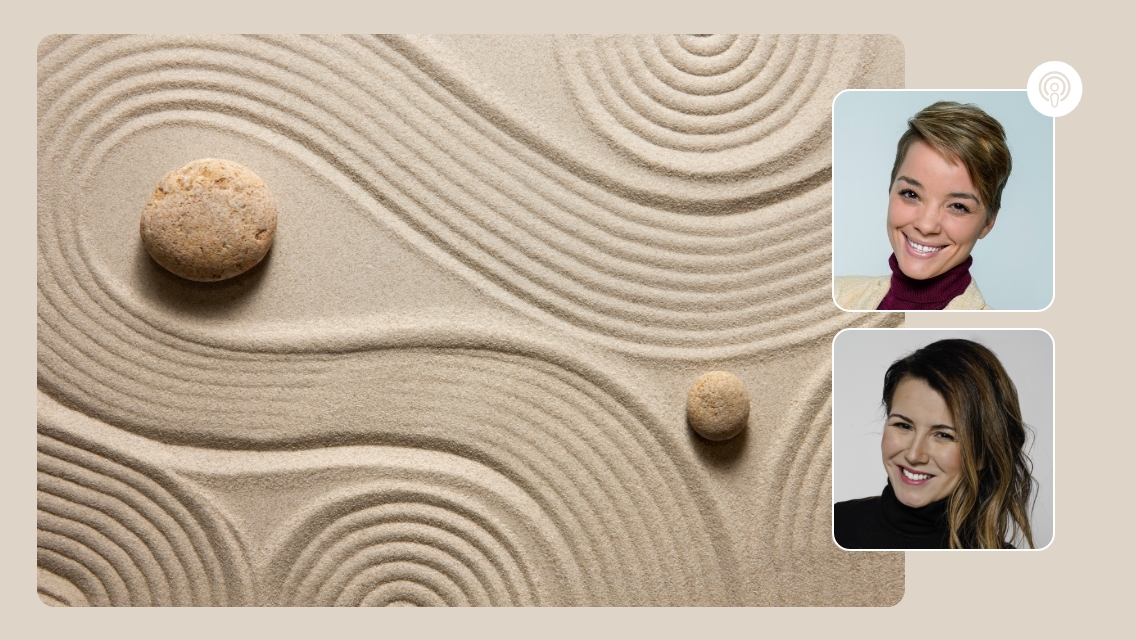
Mental well-being — something we can feel both when we’re thriving and when we’re struggling— is well understood and researched. Yet despite its many effects between our ears as well as throughout our bodies, it’s not something that many of us prioritize.
Brie Vortherms, MA, LMFT, and Barbara Powell, MA, share why taking an integrative approach to mental well-being can be a productive route to a more optimal state of mental-well-being, and they offer tangible ideas for different practices and modalities that can help us feel and function better.
Brie Vortherms, MA, LMFT, is a licensed marriage and family therapist. She is also the director of Life Time Mind, an internal performance-coaching program at Life Time. She focuses on bringing relational health and holistic well-being to her clients.
Barbara Powell, MA, is a nationally board certified health and well-being coach. She received her master’s education from the Center of Spirituality and Healing at the University of Minnesota. She’s also a holistic performance coach for Life Time Mind.
Mental well-being is personal to each of us, and as a first step toward identifying areas where you might be needing some intentional action or support, Vortherms and Powell recommend asking yourself some thought-starter questions.
In general, Vortherms suggests thinking about your mind, your body, and your energy, and considering how are you doing and feeling in each of these three areas: Is there any self-neglect you can identify in them?
To further your introspection, Powell offers some more targeted questions you can also ask yourself:
- What feels like peace to me?
- Where do I feel energized?
- What or who helps me feel resilient?
- Am I safe? Where don’t I feel safe?
- What’s going on in my movement?
- How am I feeding myself?
- How is my rest?
- What is my sense of connection?
While it is unlikely that any of us will ever feel we’re perfectly caring for all areas of our mind, our body, and our energy, Vortherms suggests aiming for, at a minimum, a 60/40 balance. “If a little bit more than half of the time you can be in enough self-care, you’re going to probably be on the side of wellness versus dis-ease,” she says.
- What Is Self-Care, Really? With Brie Vortherms, MA, LMFT, and Barbara Powell, MA
- How Do I Rest — Really? Understanding the 7 Types of Rest With Barbara Powell, MA
- How to Support Your Mental Health
- Life Time Mind
- @barbarapowellruns on Instagram
- Barbara Powell on Linkedin
- Brie Vortherms on Linkedin
- relationaltraumarecovery.com
Transcript: An Integrative Approach to Mental Well-Being
More like this

Talks — S6, EP2 / What Is Self-Care, Really?
“Self-care” is a term that gets tossed around a lot, but what is self-care, really? In this episode, Brie Vortherms, MA, LMFT, and Barbara Powell, MA, of Life Time Mind talk about it in a way that may be new to you — and explain why they think it should be rebranded as “performance recovery.” They share the 12 types of self-care and three categories of ways to integrate it into our lives so we can better support our health and well-being.

Talks — S7, EP13 / How Do I Rest — Really? Understanding the 7 Types of Rest
Rest is essential to our health and wellness, yet it often gets pushed to the side in favor of other things that require our time and attention. Importantly, it’s not just physical rest we need: There are six other types that contribute to our overall well-being.
In this episode, Barbara Powell, MA, NBC-HWC, joins us to first explain the signs and symptoms of under-rest to watch for. She then delves into the seven versions of rest we need, and for each, the micro, macro, and habitual ways we can get more rest so we can perform better and live life more fully.
Talks — S5, EP5 / An Honest Talk About Mental Health
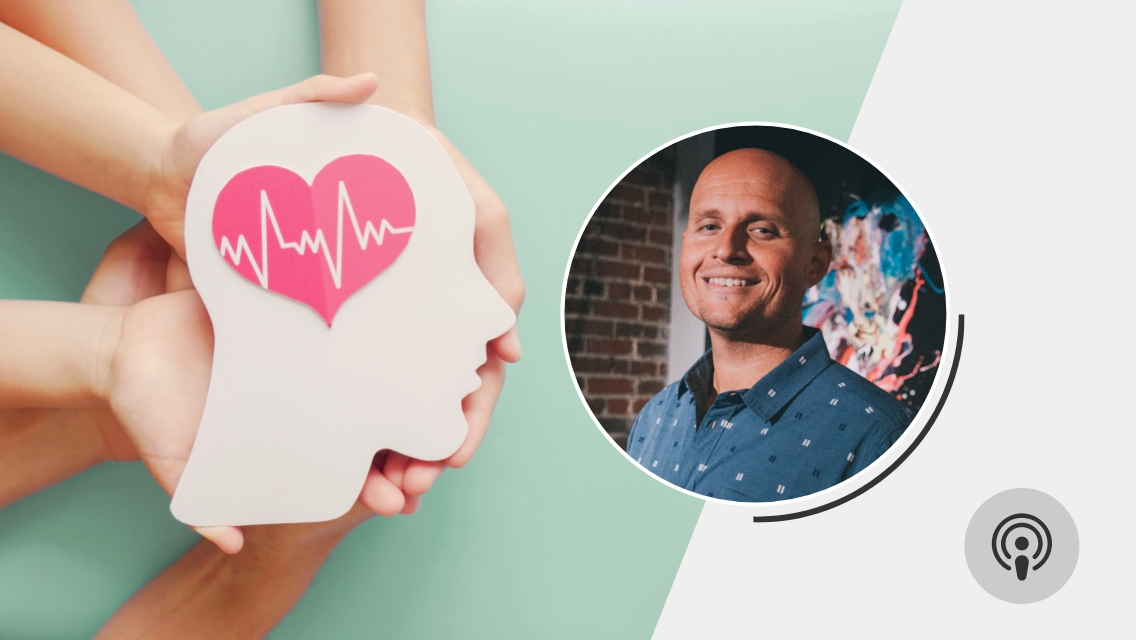
Anxiety, depression, limited self-beliefs, perpetual feeling states — we all experience mental-health struggles, and what we often don’t realize is the effect they can have on every area of our health and wellness. Dr. Mondo joins us for an honest talk about mental well-being, including the role trauma plays and the power that comes from healing.

We’d Love to Hear From You
Have thoughts you’d like to share or topic ideas for future episodes? Email us at lttalks@lt.life.
The information in this podcast is intended to provide broad understanding and knowledge of healthcare topics. This information is for educational purposes only and should not be considered complete and should not be used in place of advice from your physician or healthcare provider. We recommend you consult your physician or healthcare professional before beginning or altering your personal exercise, diet or supplementation program.
Life Time provides administrative, non-clinical support to MIORA as well as services and amenities related to general wellness and fitness; Life Time does not provide medical advice, diagnosis, treatment or care.
Advertisement