


The summer heat can feel harsh. When the sun is blazing and the humidity is high, the body can struggle to regulate its core temperature, triggering physiological responses like dehydration, heat exhaustion, muscle cramps, and more. Whether you’re walking, running, or training outdoors or you are simply spending time in hotter weather, your body has to work harder to keep itself cool.
“Your body is always working to balance its core temperature,” says Danny King, master trainer and director of performance and recovery at Life Time. “It wants to be in the middle — not too cold and not too hot.” During seasons with greater temperature swings, you can help your body recover and regulate its temperature with tools like the cold plunge.
“Let’s say you’ve been in extreme cold and then hop into a sauna; the warm-up feels great, right? It pulls blood back into your muscles,” King says. “On the flip side, if you’re in the heat, your body’s working hard to keep you at that middle state. Giving it an assist through cold plunging creates that shock to the system to supercharge your body back into a cooler state.”
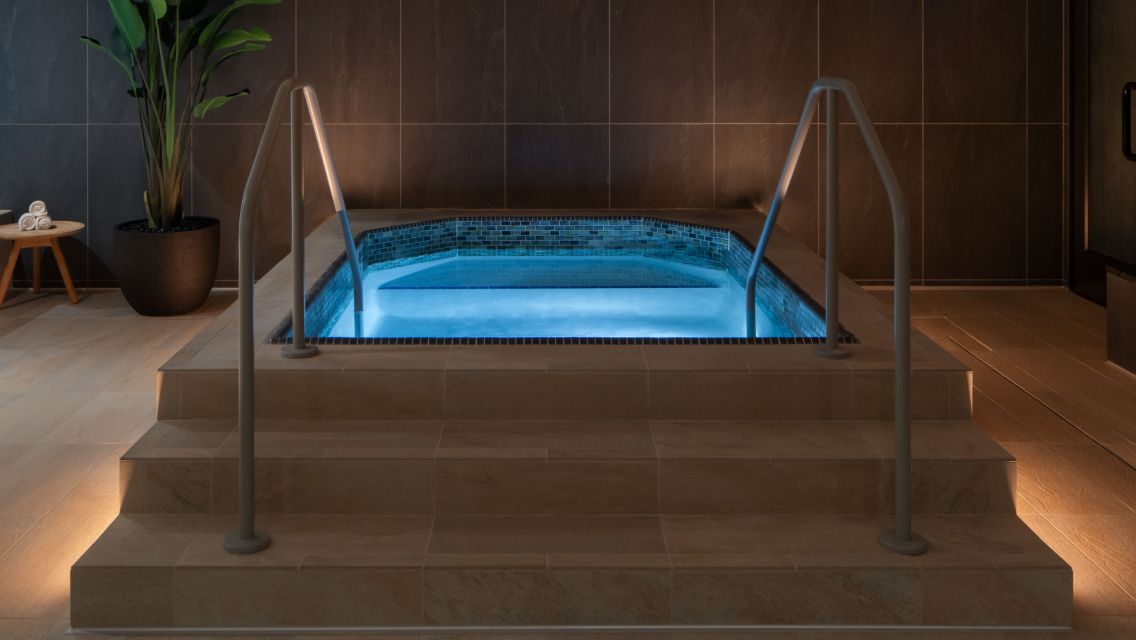
Here, King offers three ways you can integrate the cold plunge into your summer routine as a recovery and temperature-control tool.
1. Cold plunge before your outdoor workout.
A recovery tool is often thought of as something you use post-exercise, but King says a quick dip in the cold plunge before your outdoor workout can help keep you cool once you head out.
“If you’re about to go for a run or train in the heat, there’s a good amount of research on the benefits of keeping your body cool,” he explains. “Pre-exercise cooling can help bring your core temperature down and keep it down for longer, so you have more resilience in the heat.”
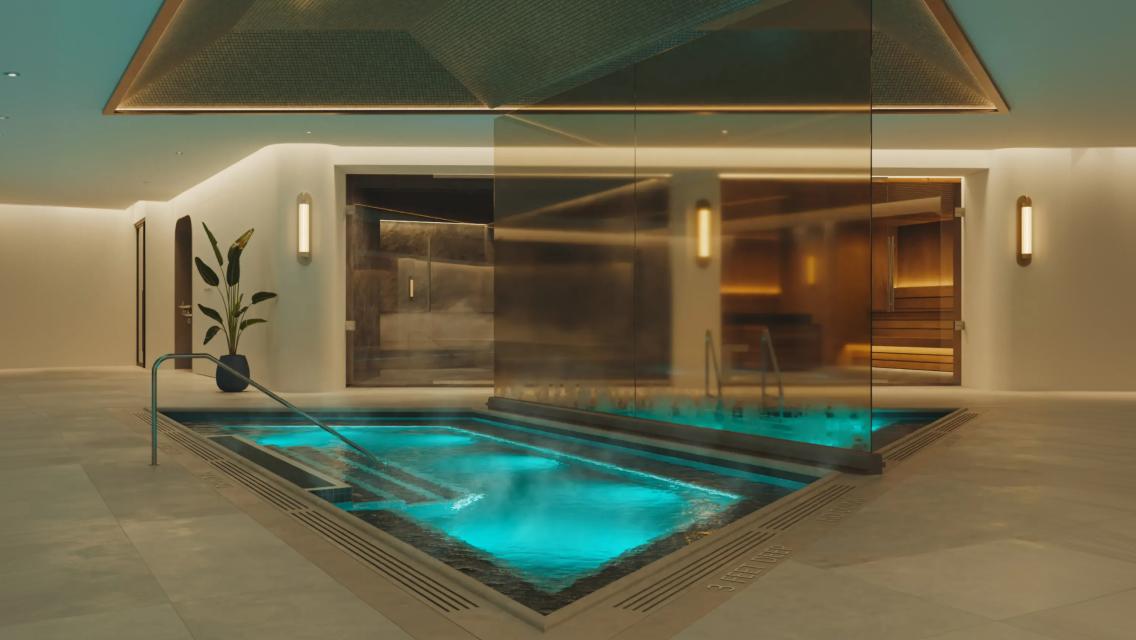
To do this, King recommends starting your outdoor run, walk, or workout at a Life Time club. “Come into the club, hop in the cold plunge for two to three minutes, toss your shoes back on, do your warm-up, and then head out,” he says.
2. Cold plunge to cool off after exercise — but do it gradually.
Submerging yourself in cold water triggers your body to direct blood flow toward your core to maintain its core temperature. After, as the body warms up over time, your blood vessels expand, causing blood to circulate from the core to the rest of the body. This is beneficial post-workout as it helps redistribute fresh, oxygenated blood throughout tissues, facilitating recovery and reducing inflammation.
“Cold plunging after a workout can also help bring your core temperature back to homeostasis faster,” says King. “You can help get your body back into a recovery state and get rid of the heat stress. Plus, if you’re navigating a busy schedule or you have to get to work after your workout, using the cold can bring your core temperature down for an easier transition into your day.”
But King stresses the importance of safely transitioning from hot to cold post-workout.
“Give yourself a minute or two to catch your breath after your workout and let your body briefly regroup,” he says. “A fast transition between extreme temperatures can make people feel lightheaded or dizzy, so it’s important to give your body a pause to reorient itself. After resting, do a quick rinse in the shower to wash off any sweat, and then submerge your body in the cold plunge for two to three minutes. The goal is to undergo a major temperature change of the tissue to really reap the benefits.”
3. Cold plunge to bring your temperature back down after being outside all day.
Even if you’re not exercising, spending a day outside in the heat can take a toll on the body. Cold plunging can provide some assistance in cooling it back down.
“If you’ve been outside and have had an elevated core temperature all day, you’re sweating more and your body is working hard to keep you cool,” King says. “If the body stays in that ‘working’ state, it might be harder to rest and recover or more difficult to sleep. A brief cold plunge of two to three minutes can help shut those signals off and get your body into a recovery state faster.”
How to Cold Plunge
If you’re new to cold plunging, King recommends starting with shorter durations — around 30 seconds — to manage the initial shock response and ease into it. The intensity of the discomfort typically subsides after the first 30 seconds, so it’s crucial to push through this threshold.
As you feel more comfortable with plunging over time, gradually extend the duration to challenge your mental resilience and maximize physical benefits. The ideal duration typically falls between two to five minutes. (Learn more: “Expert Answers: How Do I Use a Cold Plunge?”)