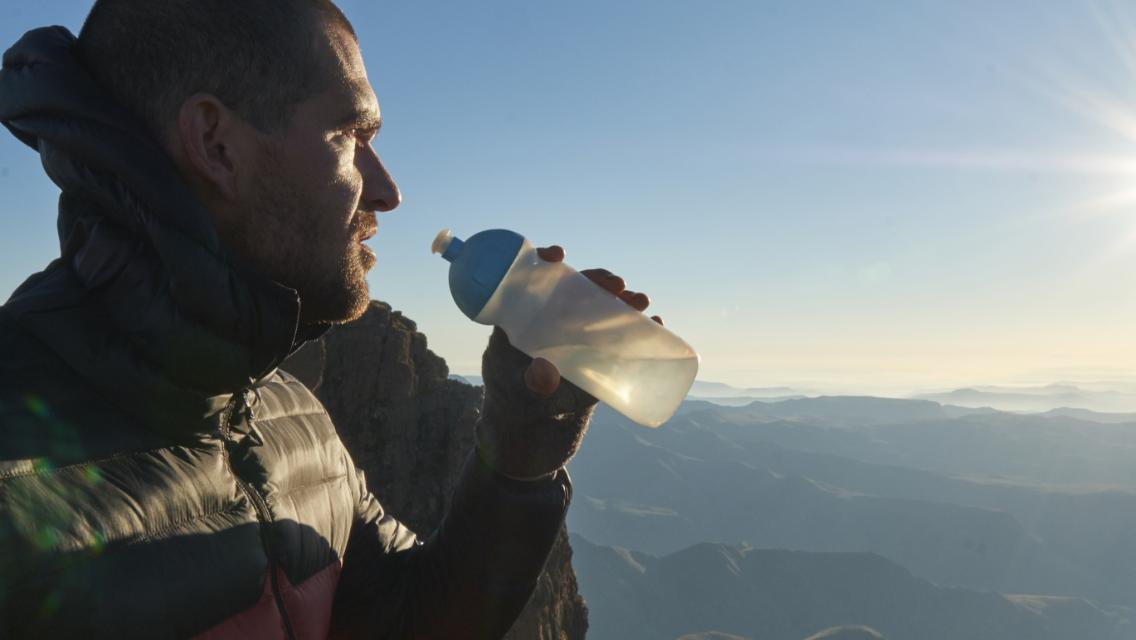



When the temperature spikes and you’re feeling the heat, hydration is your body’s first line of defense. It’s key for performance, energy, muscle function, and temperature regulation. Suboptimal hydration levels, however, can make your workouts feel harder in the summer months: Even mild dehydration — as little as 2 to 3 percent loss in your body’s total water — can affect endurance, strength, and recovery, making what would usually feel like a strong training session fall flat.
But workouts aren’t the only implication. Since our bodies are about 70 percent water, staying hydrated is essential for nearly every single biological process to function correctly. So, during the months when heat can more easily deplete us, it’s important to prioritize fluid intake.
“Most people spend more time outdoors in the summertime, which can lead to sweating more, which means you’re losing more fluids and electrolytes,” says Chella Wahlin, MS, RD, registered dietitian for Life Time. “This can cause stress on the body and lead to waning energy levels and harder recovery. It’s important to hydrate more than your typical amount.”
But adequate hydration involves more than simply drinking enough water — and it’s not a one-size-fits-all equation. A tailored approach is key, according to Wahlin. “To achieve proper hydration in the summer, be mindful of your body’s baseline needs and your current activity levels. From there, you can adequately develop a made-for-you hydration plan.”
Baseline Hydration Needs
You’ve likely heard the go-to recommendation to drink eight glasses of water each day, but Wahlin recommends a more tailored-to-you measurement: Consume half your body weight in fluid ounces. “For example, if somebody is 150 pounds, they would aim to consume 75 ounces of water daily,” she says. “But that’s the absolute baseline and would be adequate only if you’re not going outside in the heat or working out.”
For each hour you’re outside in the heat or are training, Wahlin advises tacking on another 16 fluid ounces; if you’re a heavy sweater, then likely a bit more than that, too.
More Fluids Aren’t Always Enough
Addressing dehydration does not simply mean drinking more water. “You may have noticed before that the sweat on the corners of your mouth tastes a little bit salty. That’s a reminder that you’re not just losing fluid in your sweat,” Wahlin explains. “You’re also losing electrolytes.”
Electrolytes are minerals — specifically calcium, chloride, magnesium, potassium, and sodium — that regulate many of the functions within the body. Your cells use electrolytes to carry the electrical charges your muscles need to contract. Consumed in the proper ratios, electrolytes also play a role in the healthy balance of intracellular fluid and extracellular fluid that is needed to maintain homeostasis. (Learn more: “How Electrolytes Can Boost Your Athletic Performance.”)
In extreme situations, replenishing with fluids alone can also result in hyponatremia, notes Wahlin, which is when your body has a lot of fluids but a dangerously low concentration of sodium. “Your body has all this fluid to work with, but not enough electrical charge from electrolytes, leaving it to remain dehydrated and waterlogged. We want to make sure that if you’re putting in the effort to drink all this water, your body is absorbing it. That’s where the inclusion of electrolytes is beneficial.” (Learn more: “Why Drinking Water Alone Isn’t Enough to Stay Hydrated.”)
How to Incorporate Electrolytes
Electrolytes can be found in foods, including those that are higher in sodium like pickles, beef jerky, and olives.
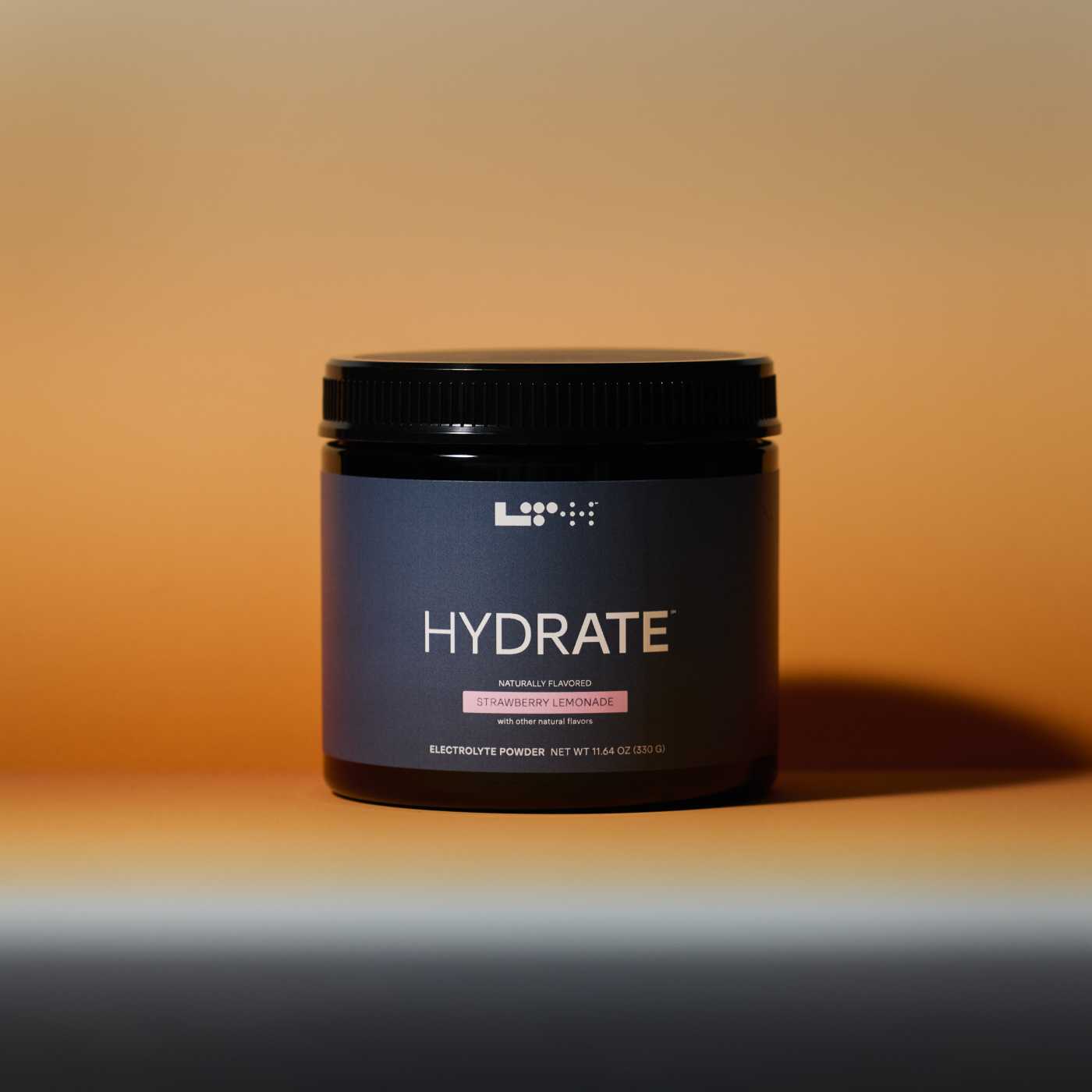
An intentionally sourced, well-formulated electrolyte supplement powder can replenish all electrolytes — not just sodium — lost in sweat, according to Wahlin. If you choose this option, she recommends ensuring the product does not contain added sugar or artificial colors, flavors, or sweeteners. Her favorite option is LTH Hydrate, which is dietitian-formulated and includes a blend of electrolytes and trace minerals specifically designed to support rehydration.
“LTH Hydrate delivers more than 60 trace minerals and the five electrolytes that we need at the ratio designed to match human sweat,” notes Wahlin.
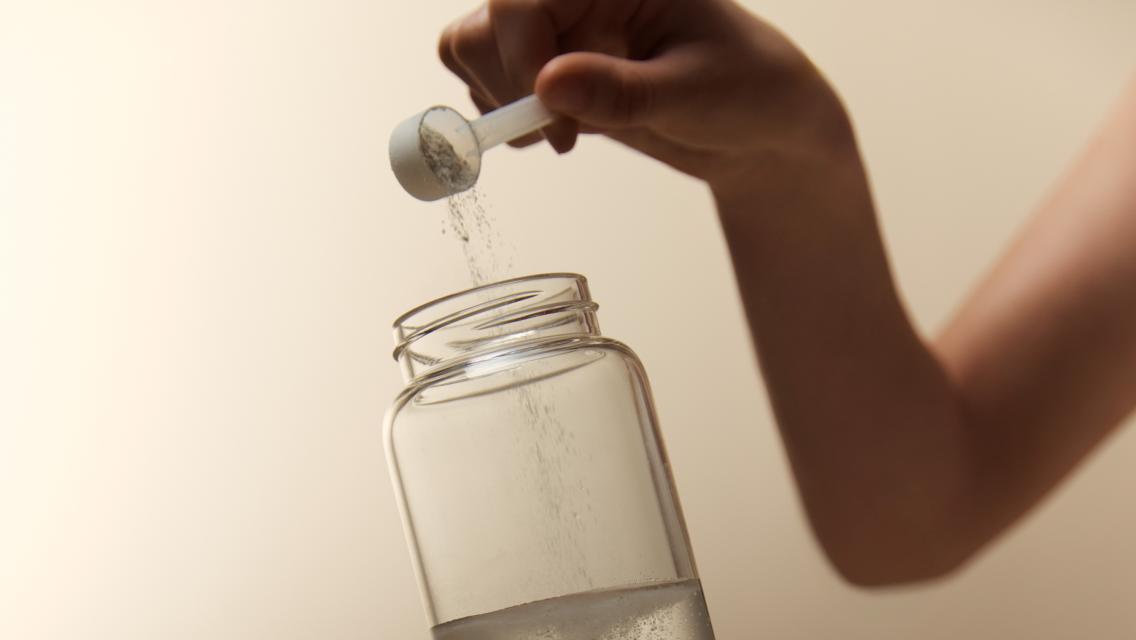
Timing of electrolyte and fluid intake throughout the day depends on a person’s routine and needs. “I like to recommend adding a scoop of LTH Hydrate to the first glass of water every morning before breakfast,” she says. “When you are sleeping overnight, your body depletes itself of both fluids and electrolytes, so it’s essential to rehydrate as soon as you wake up. Factors such as sleeping in warmer environments and being a mouth breather can further exacerbate these losses, making it even more crucial to replete these lost nutrients as soon as you wake up.”
If you train regularly, it’s also important to begin your workouts well hydrated so you’re not playing catch-up throughout the workout. This is especially important if you are a heavy sweater or normally train outside.
“If you begin your workouts dehydrated and then you tack on sweating and intense or prolonged exercise, your capacity to train hard not only gets depleted, but your recovery timeline is negatively affected, which can elevate your risk of injury,” she says. “When your body begins a workout in a dehydrated state, your soft tissues, which are comprised of muscles, tendons, and ligaments that normally glide past each other, become compromised. Not only that, but dehydration also puts more pressure on the heart and depletes oxygen delivery to the brain, making it harder to focus and train effectively without spiking the heart rate.”
Adds Wahlin: “Whether you are trying to optimize your morning routine or workouts, intentionally hydrating with electrolytes and fluids can positively impact your health outcomes in a meaningful way.”
5 Tips for Staying Hydrated This Summer
1. Be proactive, not reactive.
There are some common cues your body gives you when you’re dehydrated: Think brain fog, soreness after a workout, headaches, and increased cravings and thirst.
While it’s important to recognize and respond to these cues, being proactive versus reactive can be more beneficial for your overall well-being and health goals.
“Our body’s cells work like a sponge,” Wahlin explains. “If you were to pour water onto a sponge every hour, it would be a constant moist sponge and never completely dry up. But if it were to dry up, and then you dump a gallon of water onto it, it’s not going to absorb all the water, and some will spill out right away. Drinking water consistently throughout the day helps your body absorb fluids more effectively, whereas flooding your system all at once will likely pass through quickly.”
2. Add more water-rich produce to your diet.
Water isn’t your only hydration option. Consuming seven or more servings of produce daily can meaningfully contribute to your hydration needs, though it depends on the type of produce and your unique activity level and needs. Even if you don’t reach that amount, smaller portions can still boost your intake. (Learn more: “6 Common Myths About Hydrating Foods and Drinks.”)
During the summer, lean on in-season options like watermelon, cucumber, strawberries, peaches, tomatoes, and zucchini.
3. Make a fun and hydrating mocktail.
Mixing up a fun summer drink can also be the perfect opportunity to integrate more hydration. These two mocktail recipes — the Peach-Mango Refresher and Blood-Orange Marg-norita — feature LTH Hydrate electrolytes as a key ingredient.
4. Infuse your water for more flavor.
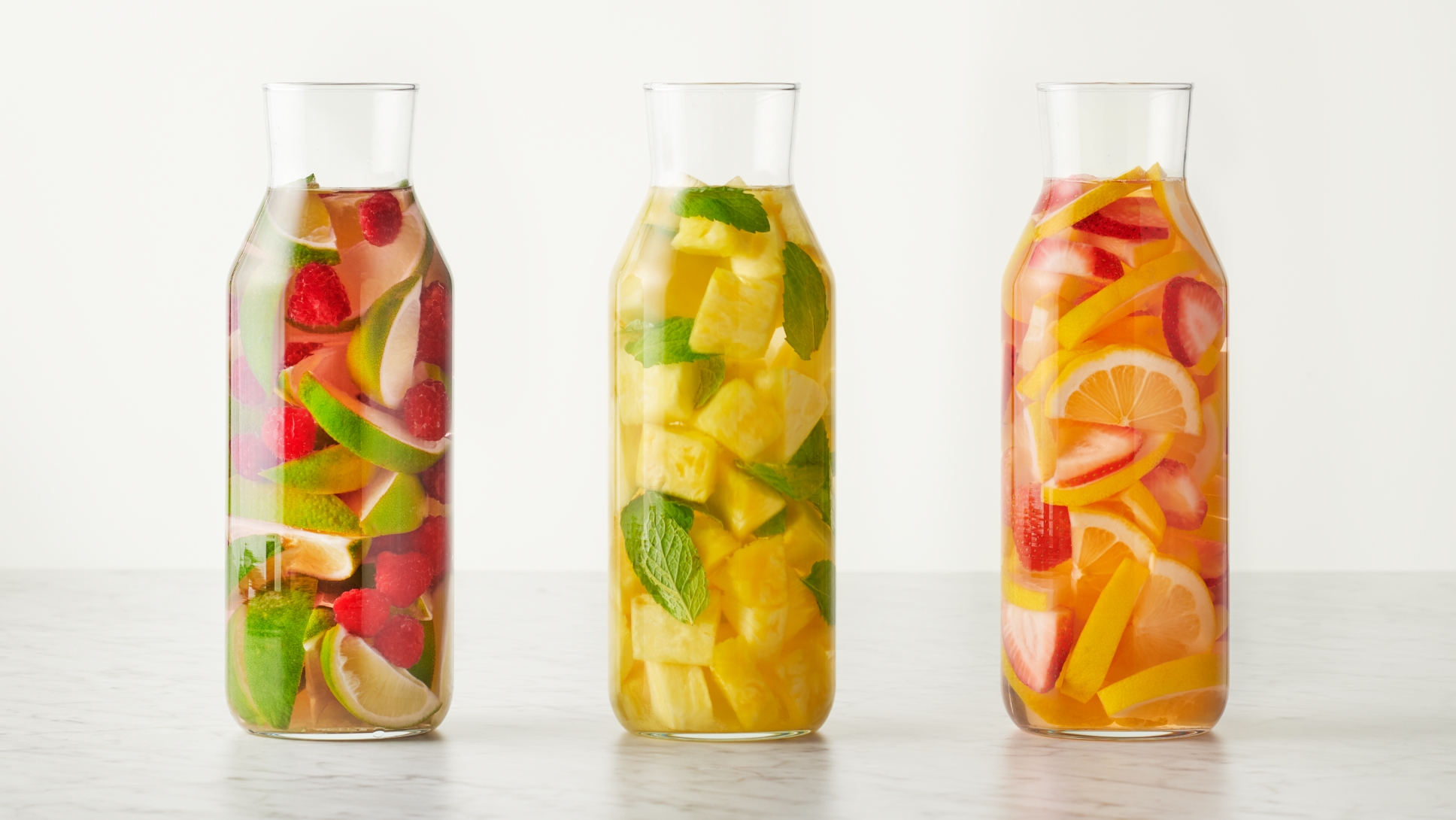
Drinking more water doesn’t have to be bland, nor do you need to add sugar to make it tasty. In your next glass of water, add some fresh fruits and herbs to get some boosted flavor. (Learn more: “3 Ways to Get Hydrated That Aren’t Plain Water.”)
Try these combos:
- Lime wedges with raspberries
- Halved strawberries and lemon slices
- Blackberries and cucumber slices
- Pineapple chunks with fresh mint
5. Find a water bottle that you love.
Carrying a water bottle you naturally reach for — whether because of its style or functionality — can make a big difference. Wahlin recommends figuring out how many refills or servings you’ll need to meet your daily hydration goals.
“To avoid getting to 3 p.m. without drinking any water since breakfast, it can help to set a goal for how many bottles you want to finish by lunchtime,” she says. “That kind of milestone can keep you motivated to drink water consistently, which supports optimal absorption and helps you meet your fluid needs by the end of the day.”