


When your energy fades, your drive drops, or your body feels different than it used to, it’s a sign that it’s time to pause and dig into what may be causing the concern. For an increasing number of men, the source of these kinds of changes is often a result of hormonal issues.
Part of the issue is lifestyle factors, according to Rahul Iyengar, MD, medical director for MIORA at Life Time in Franklin, Tenn. “We’re more sedentary than ever, not following healthy eating habits, more chronically stressed, and sleeping less, and all of these things directly affect hormonal health,” he says. “But there’s also a growing cultural awareness: Men are talking about these issues more openly now, which is a good thing. The downside is that “low T” [low testosterone] has become almost a catchphrase, and it’s leading a lot of men to jump to conclusions before they’ve looked at the basics.”
The conversation around testosterone and male hormone health is growing louder every day. Men in their 20s, 30s, 40s, and beyond are noticing shifts in their well-being. They might feel fatigued. They may experience low libido. They could be seeing decreased muscle mass. Naturally, they look for answers, and although it’s tempting to search for a quick fix, if you’re experiencing these issues, there’s likely a deeper reason behind it that needs to be addressed more comprehensively.
“I see a lot of men who think they’re simply experiencing issues with their testosterone or sex hormones, which they might be, but there’s usually more behind it,” Iyengar explains. “For example, let’s say we see that you have low levels of testosterone. If you have other things going on, like stress or overtraining, your cortisol levels may be high. When that happens, your body can deprioritize reproduction, which can lead to lower testosterone because your body is just trying to survive rather than reproduce. But the solve for this isn’t as simple as only addressing your testosterone levels.”
We asked Iyengar to further explain testosterone and the other key sex hormones involved in men’s health, as well as the issues men may experience if they are unbalanced. He also provides some solutions.
A Closer Look at Testosterone
Testosterone is the primary androgen, meaning it’s responsible for what we typically associate with male development and function.
“Testosterone plays a role in everything from muscle growth and bone density to red blood cell production, fat distribution, mood, and sex drive,” says Iyengar. “It’s also deeply tied to energy and cognitive function in ways that often get overlooked.”
Testosterone is a primary focus in men’s hormone health as it’s the hormone that tends to decline most noticeably with age and lifestyle stress. “Men typically peak in testosterone production in their late teens and early 20s, and levels gradually decline from there, about 1 to 2 percent per year after age 30,” Iyengar says. “More recently, we’re seeing that decline accelerate in a lot of men — and it’s happening earlier. When you layer in poor sleep, chronic stress, excess body fat, and sedentary behavior, you get a compounding effect that can push someone into a symptomatic range well before they expected to be there.”
A Closer Look at Estrogen, DHT, and DHEA
Although testosterone is often the focus, there are three other important hormones to consider when addressing men’s health: estrogen, DHT, and DHEA.
“We don’t look at testosterone in isolation,” says Iyengar. “Most people think of estrogen as a female hormone, but men produce it too, and the right amount matters. Testosterone actually converts to estrogen through a process called aromatization. Small amounts of estrogen are important for men for bone health, libido, and cognitive function. Higher estrogen levels — in relation to testosterone — can lead to weight gain around the midsection, mood changes, and reduced libido.”
DHT (dihydrotestosterone) is a more potent derivative of testosterone, converted by an enzyme called 5-alpha reductase. “DHT is important for sex drive, prostate function, and hair follicle activity, which is why it comes up a lot in hair loss conversations,” Iyengar explains. “Elevated DHT can contribute to prostate issues and accelerated hair loss, but it’s also essential to normal male function. It’s not something we want to blindly suppress without understanding the bigger picture.”
DHEA (dehydroepiandrosterone) is produced by the adrenal glands and acts as a precursor hormone, meaning the body uses it to manufacture both testosterone and estrogen. “DHEA levels peak in your mid-20s and steadily decline with age. When DHEA is low, it’s often a signal that the adrenals are under stress,” says Iyengar. “It’s one of the markers we look at to understand the full hormonal picture rather than just chasing a single number.”
Common Symptoms of Male Hormone Issues
While many issues can be related to hormones for men, Iyengar most often sees patients who are seeking solutions for low energy, low libido, and decreased muscle mass. “These are the three biggest signs where I see men in their 20s or 30s asking about hormones and testosterone,” he says.
Low energy: “Testosterone has a direct relationship with mitochondrial function and red blood cell production,” says Iyengar. “Both of these are central to how energized you feel day to day. When testosterone drops, you may notice that your energy doesn’t come back even after a full night of sleep. Cortisol, your primary stress hormone, can interfere with this too. When cortisol is chronically elevated, it blunts testosterone production and keeps your body in a survival state. So low energy tied to hormones is often not a single-variable problem, which is why we look at the full picture before drawing conclusions.”
Low libido: “Testosterone is one of the primary drivers of sex drive in men, so it makes intuitive sense that lower levels can reduce libido,” Iyengar says. “But estrogen balance plays a role, too. If testosterone is converted to estrogen at a higher rate, that can further dampen sex drive. Low thyroid function, elevated prolactin, and chronic psychological stress can all suppress libido independently of testosterone. This is why we look at the full hormonal panel rather than just total testosterone before making any recommendations.”
Decreased muscle mass: “Testosterone is anabolic, meaning it promotes protein synthesis and muscle growth,” says Iyengar. “When levels are suboptimal, building and maintaining muscle becomes significantly harder, even with the right training and nutrition in place. This is one of the more objective signs we track because it’s measurable. If someone is training consistently, eating enough protein, and still losing muscle or can’t seem to build any, hormones are absolutely on the differential list.”
What Is Testosterone Replacement Therapy?
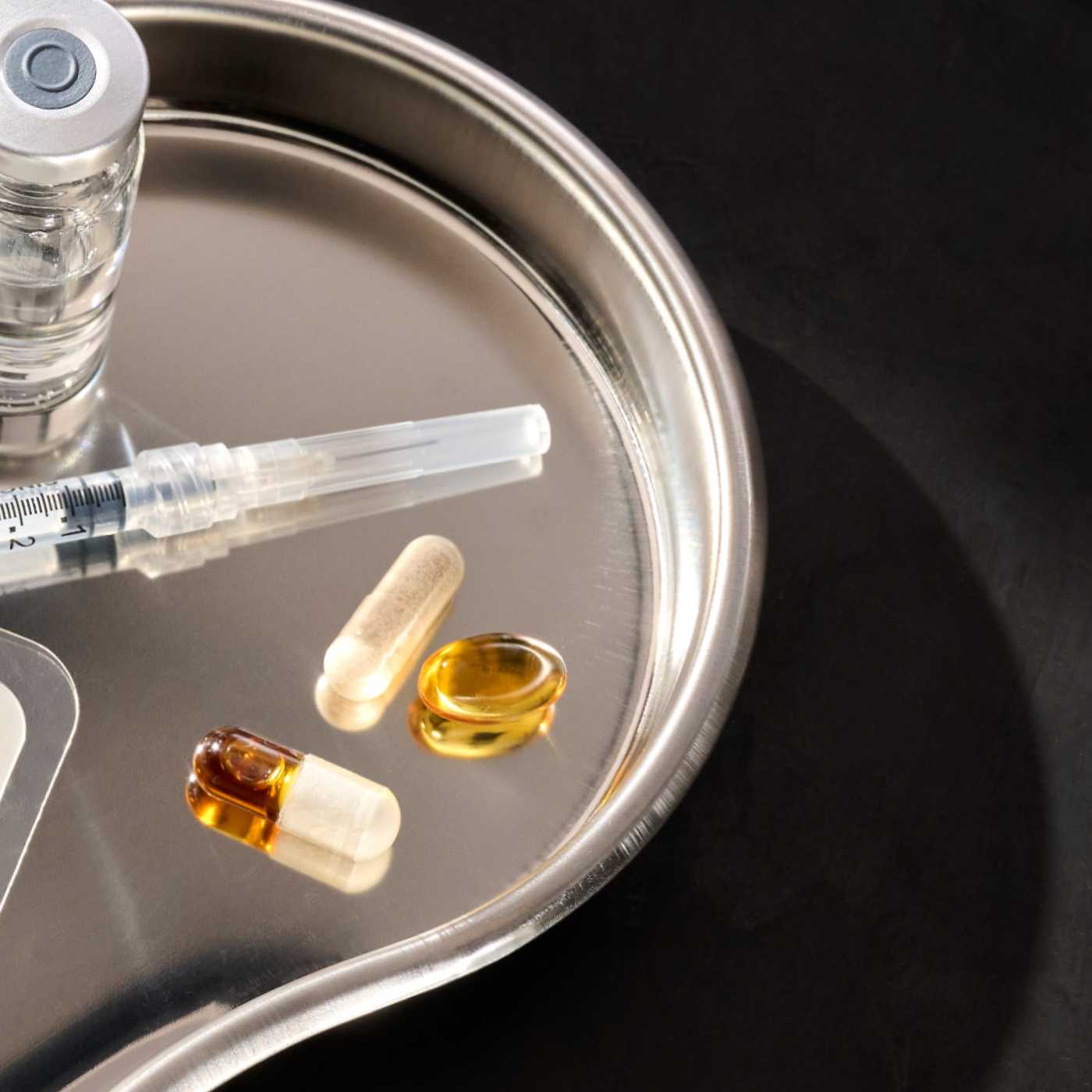
Testosterone Replacement Therapy (TRT) involves supplementing the body with exogenous, or externally produced, testosterone to replace what the body is no longer producing at adequate levels.
“The most common delivery method of TRT is injection,” says Iyengar. “Injections are usually given weekly or twice weekly, with doses commonly ranging from 100 to 200 mg per week, though this varies depending on the individual’s labs and symptom profile.
“There are also topical options, like gels and creams applied daily, though absorption can be inconsistent and there’s a risk of transferring the hormone to others through skin contact.”
Another option is pellets, which are implanted under the skin every three to six months. Iyengar notes that each delivery method has tradeoffs, and the right one depends on an individual’s lifestyle, preferences, and how their body responds.
Misconceptions Around Testosterone
Misconception No. 1: There’s One “Right” Testosterone Number
When men get their testosterone levels checked, there’s often a sense that they need to be a certain number — and if they’re not, to jump right to testosterone replacement therapy (TRT) for solutions.
“The standard lab reference range for total testosterone is roughly 300 to 1,000 ng/dL, and a lot of men come in fixated on hitting 1,000, or whatever number they read about online,” says Iyengar. “There’s a misconception about chasing the right level of testosterone versus monitoring your symptoms. You might have a test say a certain number, but if you’re not experiencing symptoms, there’s no need to make the leap into TRT. There are factors like cortisol, inflammation, and lifestyle habits that we can look at and address first.”
Iyengar stresses that the number matters less than how you feel and function. “Someone at 450 ng/dL who’s sleeping well, training hard, and feeling sharp doesn’t need an intervention. Someone at 600 ng/dL who’s exhausted, losing muscle, and has no sex drive might. Context is everything.”
Misconception No. 2: “Boosting” and Replacing Testosterone Are the Same Thing
A distinction Iyengar likes to make is the difference between “boosting” testosterone and replacing it. You’re not increasing your testosterone levels; you’re completely replacing your body’s natural production of it.
“As soon as you start doing any kind of testosterone replacement therapies like TRT, you’re not ‘boosting’ testosterone: You’re fully replacing your body’s natural production of testosterone with an injection,” he says. “I’ve talked with many people who have no idea or understanding that once you start to inject your body with testosterone, it stops making it on its own. So, you’re not boosting anything, you’re shutting it down naturally so that you are dependent on this injection.”
And if you stop making testosterone altogether, you may experience fertility issues. “Because of this, I don’t generally recommend TRT for men in their 20s and 30s,” Iyengar says. “Instead, let’s take a look at lifestyle factors or other avenues for solutions to the symptoms you may be experiencing.”
Men in their 40s, 50s, and 60s who experience symptoms like low energy and low sex drive tend to be better candidates for TRT. “They may benefit from completely replacing natural testosterone and instead keeping it at the right levels through TRT. But even then, it’s worth understanding what you’re committing to. Even if fertility isn’t a concern, shutting down your natural production isn’t without consequence. Bone density, cardiovascular health, and metabolic function all benefit from some degree of your body’s own hormonal signaling.”
Stopping TRT also comes with some potential challenges. “It can take months for natural production to resume, and many cases it may never recover,” says Iyengar. “This doesn’t mean TRT isn’t appropriate. But it does mean you’re making a long-term commitment, and that needs to be part of the conversation before you start.”
For men who want to address low testosterone without shutting down their natural production, there are alternatives to consider before jumping to TRT.
“Clomiphene citrate, commonly known as Clomid, is a medication that works by stimulating the brain to signal the testes to produce more testosterone on their own,” Iyengar adds. “HCG, or human chorionic gonadotropin, works similarly by mimicking the hormone that tells the testes to produce testosterone, which means you get the benefit of increased levels without the shutdown effect.”
While these won’t be right for everyone, Iyengar stresses the importance of talking about them before committing to TRT, especially if you’re younger or have concerns about fertility or being on them long-term.
Misconception No. 3: TRT Has No Dependency Risks or Side Effects
There are certain dependency risks once you’re on TRT, which is why Iyengar stresses education with his patients: They need to know what they’re getting into.
“I’m really forward around this topic to make sure men fully understand what they’re signing up for,” he says. “Once you start taking the shot, you’re completely dependent on it as it’s replacing your body’s ability to naturally produce testosterone. A lot of guys are OK with this, but some might not be, and I strongly encourage being aware of exactly what you’re committing to.”
One of the more common side effects of TRT is testicular atrophy, because the body stops producing testosterone naturally, the testes can shrink over time.
“This is why TRT use can lead to infertility,” says Iyengar. “Elevated red blood cell count is another important side effect, which increases blood viscosity and can raise cardiovascular risk if not monitored closely. Acne, fluid retention, and worsening of sleep apnea can also occur. Mood changes like irritability or mood swings can happen, particularly if estrogen levels rise alongside testosterone. This is why regular bloodwork isn’t optional when you’re on TRT to monitor how it is working within the many systems of your body.”
Lifestyle as the Foundation for Male Hormonal Health
For those considering TRT, Iyengar encourages first starting with comprehensive bloodwork and an audit of their healthy-living habits.
“I have men coming in with lower energy or complaints around muscle mass, but it’s often just lifestyle habits catching up to them versus a need for an intervention like TRT,” he explains. “I highly encourage first taking a look at your overall health. We can evaluate your bloodwork and factors like your exercise routine, your nutrition, and your stress levels, and then, if an increase in testosterone could be beneficial, we can then see how we can boost it naturally and safely through lifestyle choices.”
“If you have a solid foundation of lifestyle habits in place, and you’re still struggling with testosterone-related concerns, that’s when we could then consider TRT,” says Iyengar. “But know there’s no magical solution. Even if you opt for TRT, you don’t just automatically feel better. You still need to put in the work of taking care of your body.”